More stories
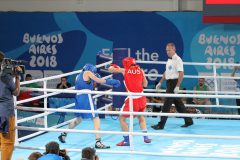
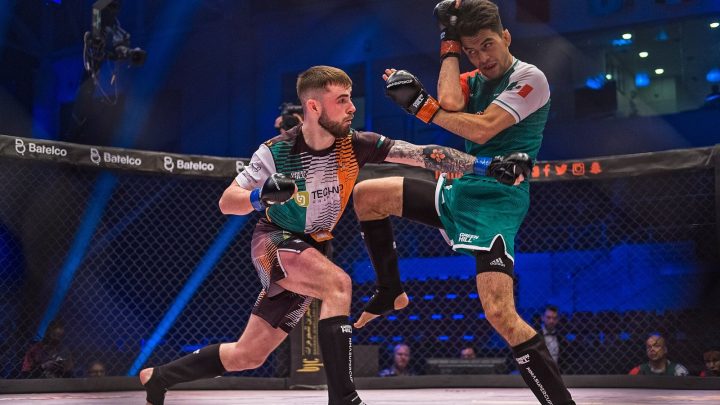
Footwork Fundamentals: How Boxers and Kickboxers Control Distance
How fighters use stance width, the step-drag, pivots, angles and ring cutting to control distance, and why footwork changes in Muay Thai and MMA.
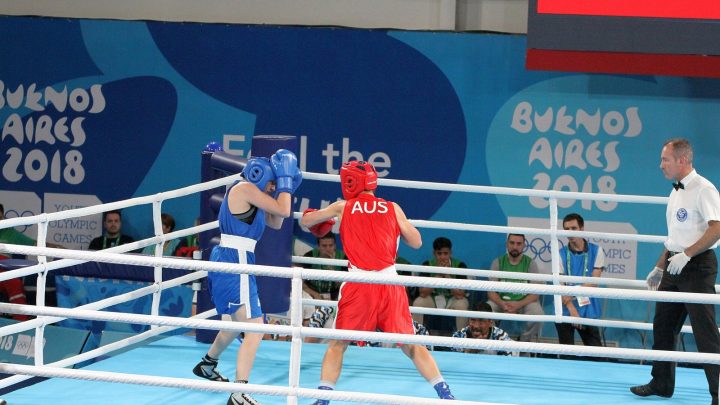
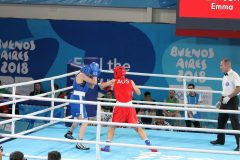
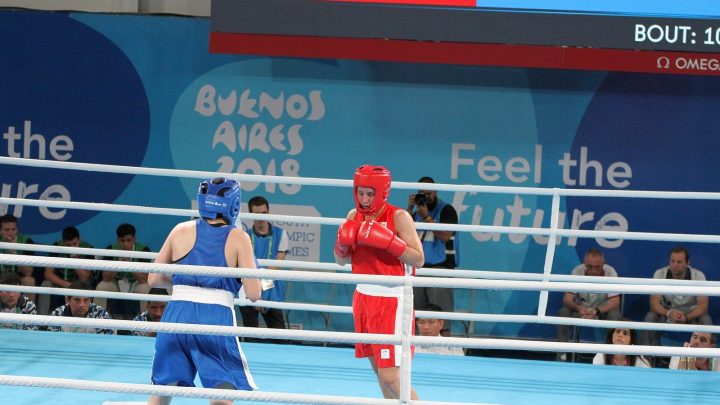
Boxing Defense Basics: Slips, Rolls, Blocks and the Shoulder Roll
How boxers avoid punches: guard positions, blocks and parries, slips, bobbing and weaving, the Philly shell shoulder roll, and footwork as defense.
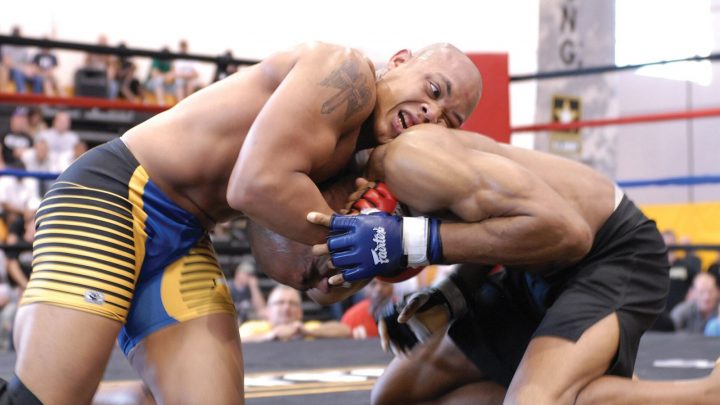
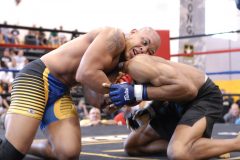
Wrestling in MMA: Takedowns, Sprawls and Cage Control
Why wrestling wins so many MMA fights: single and double legs, body locks, the sprawl, wrestling against the cage, and how fighters get back up.
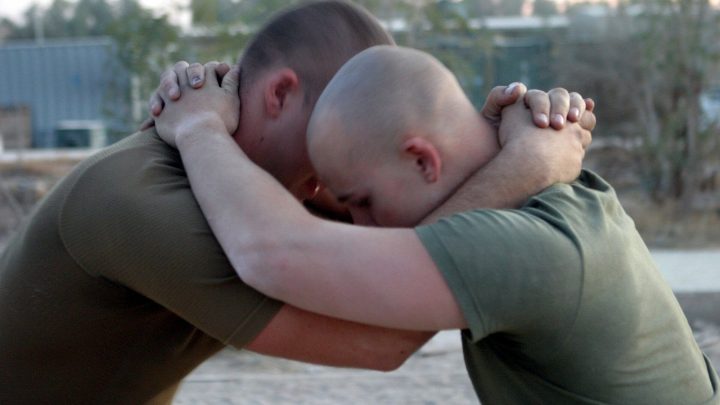
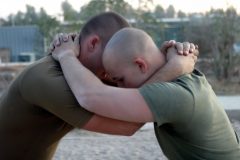
The Muay Thai Clinch Explained: Plum, Knees and Off-Balancing
How the Muay Thai clinch works: the plum, collar ties, underhooks, knees and off-balancing, why it scores, and how kickboxing rules limit it.
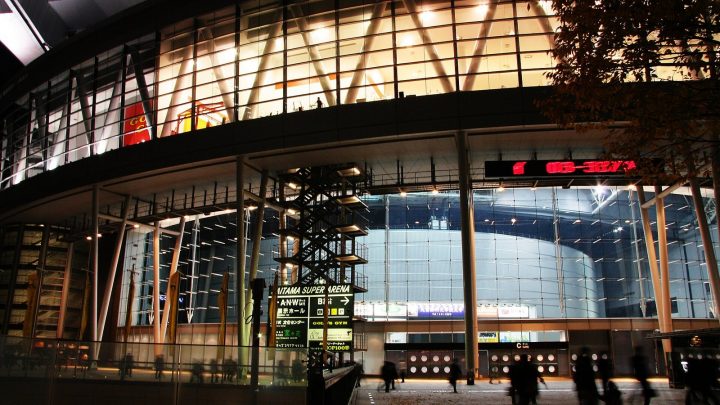
PRIDE Fighting Championships: The Japanese Promotion That Shaped MMA
The history of PRIDE (1997–2007): its ring and rules, Grand Prix tournaments, stars like Fedor and Wanderlei Silva, its decline and the 2007 sale to Zuffa.
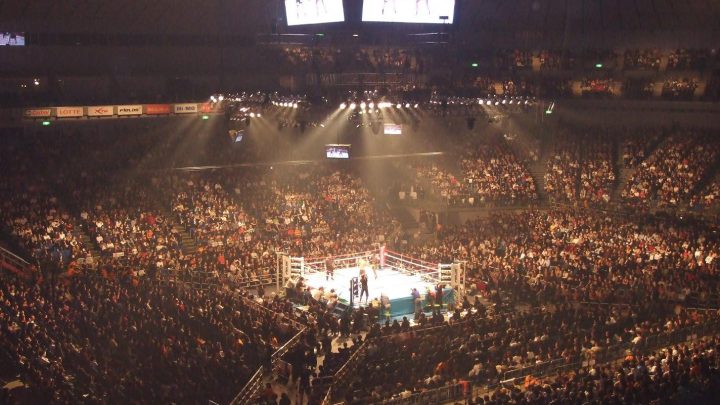
The History of K-1: How Japan Built Kickboxing’s Biggest Stage
How Kazuyoshi Ishii's K-1 became kickboxing's biggest stage: the 1993 launch, the World Grand Prix, Tokyo Dome crowds, its great champions and its collapse.

ONE Championship Rules Explained: How They Differ From the UFC
How ONE Championship's rules differ from the UFC's: knees to grounded opponents, whole-fight judging, hydration weigh-ins, and Muay Thai and kickboxing.
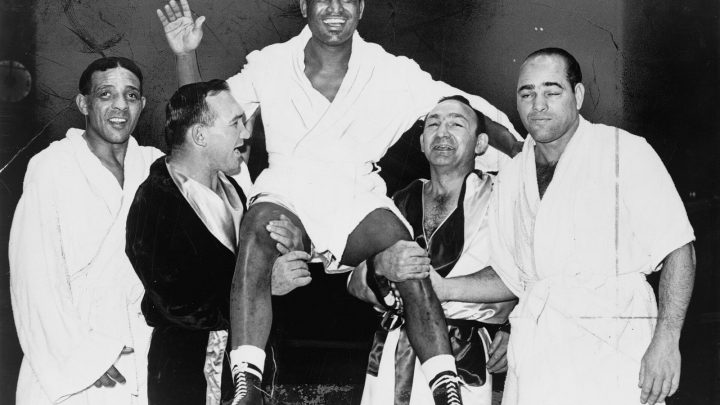
Pound-for-Pound Rankings Explained: How They Work and Who Makes Them
What "pound for pound" means, where the term came from, who publishes P4P lists in boxing and MMA, the criteria they use and why every list is subjective.