Footwork Fundamentals: How Boxers and Kickboxers Control Distance
How fighters use stance width, the step-drag, pivots, angles and ring cutting to control distance, and why footwork changes in Muay Thai and MMA.
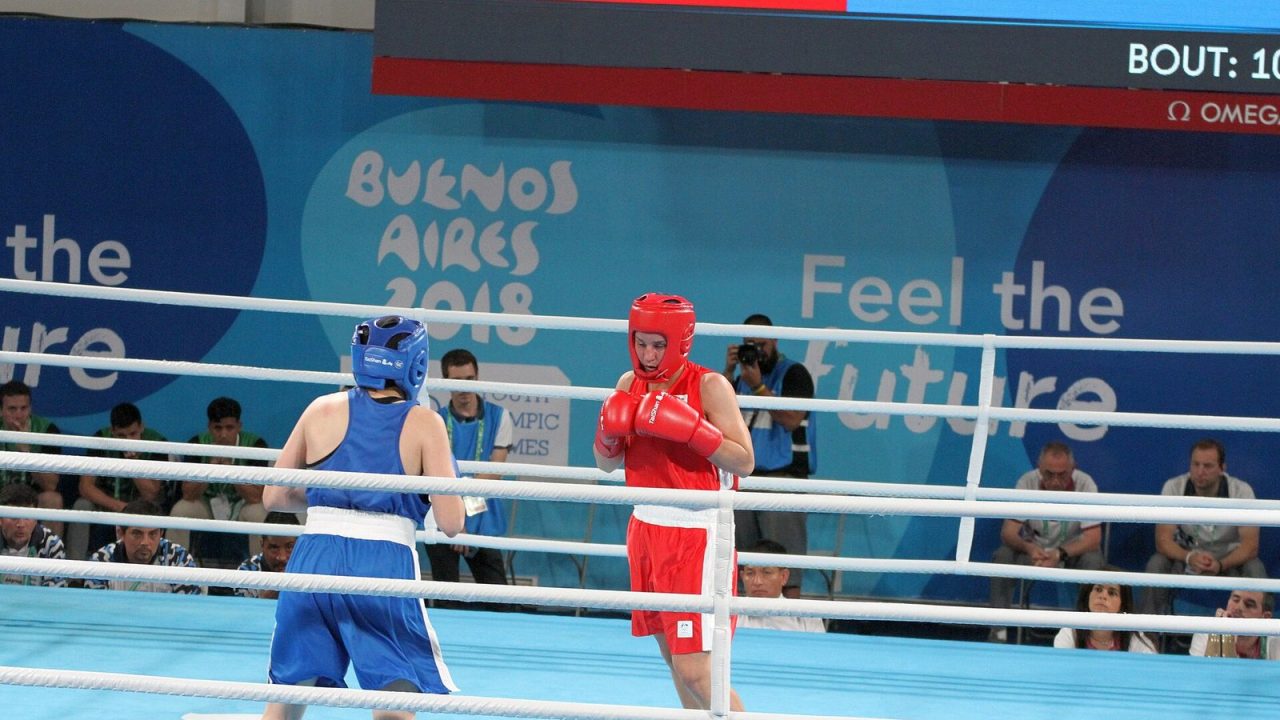
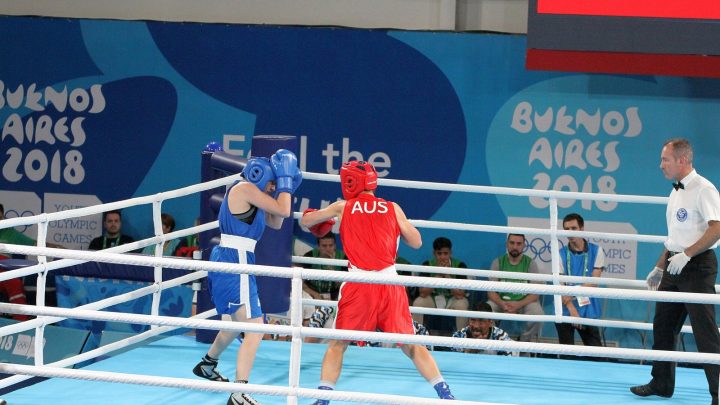
Fans tend to watch the hands, but coaches watch the feet. Almost everything in a striking fight depends on distance: a punch that lands at one range misses by an inch at another, and a kick that scores from outside becomes a liability when the opponent is already chest to chest. Footwork is how fighters create the range they want and deny the range their opponent wants.
This article explains the building blocks of footwork in combat sports: stance width and balance, the step-drag, pivots and angles, cutting off the ring, and how footwork changes once kicks, knees and takedowns enter the picture. It describes what you see in fights rather than serving as a training plan. Footwork is drilled for years, and anyone who wants to learn it properly should work with a qualified coach. For the basics of lead-hand and lead-foot choices, see our guide to orthodox vs southpaw stances; this piece focuses on movement.
Why distance decides fights
Every striker has a preferred range. A taller boxer with a long jab wants to stay at the end of his punches, where he can hit without being hit. A shorter pressure fighter wants to get inside, where long arms become harder to use. A Muay Thai fighter may want kicking range or the clinch. Footwork is the tool that gets each fighter to his range.
Distance can be thought of in three broad zones:
- Out of range: neither fighter can land without stepping in.
- Striking range: one or both fighters can land by extending, often the zone where jabs and kicks are traded.
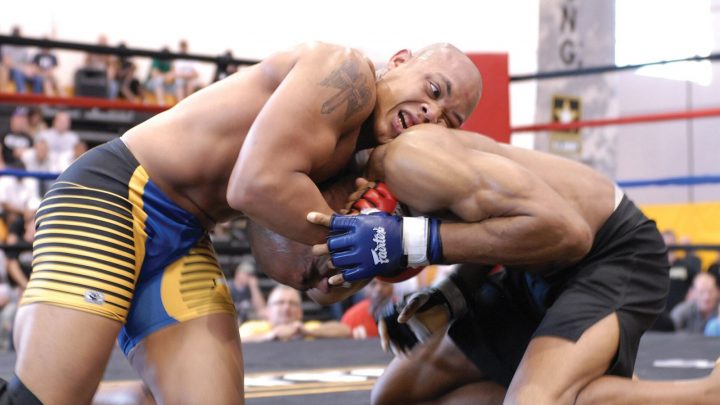
- Inside or clinch range: hooks, uppercuts, elbows and knees take over, and in MMA, takedowns become a threat.
The fighter who decides when the fight moves between zones usually controls the fight. That is why good footwork is less about speed than about timing and position.
Stance width and balance
Footwork starts with the stance. In a typical boxing stance, the feet are roughly shoulder-width apart or slightly wider, with the lead foot forward and the rear heel slightly raised. The knees are soft, and the weight is spread between both feet so the fighter can move in any direction.
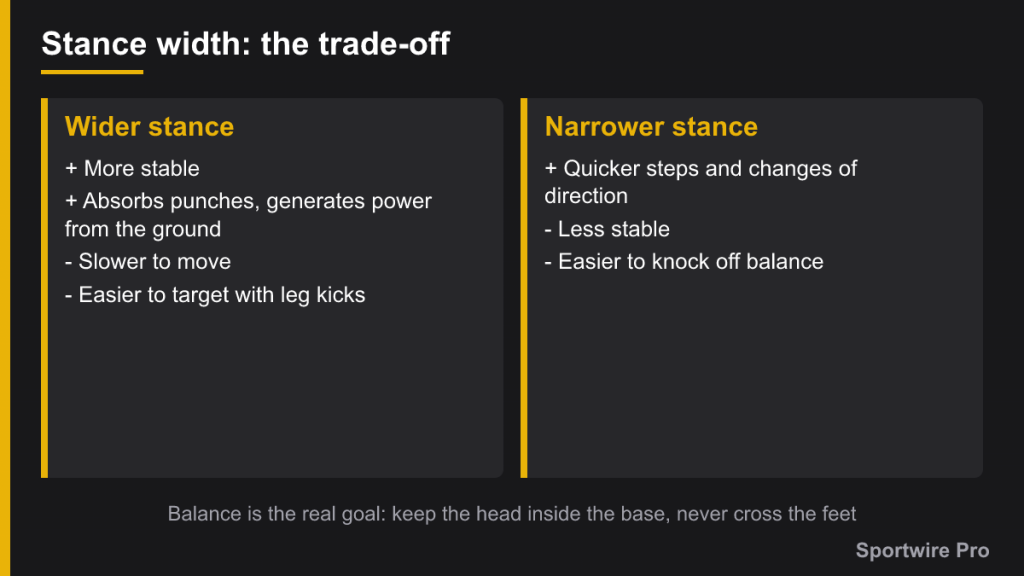
Stance width is a trade-off:
- A wider stance is more stable and helps a fighter absorb punches and generate power from the ground, but it is slower to move and easier to target with leg kicks.
- A narrower stance allows quicker steps and changes of direction, but it is less stable and easier to knock off balance.
Balance is the real goal. A fighter whose head drifts outside his base, or who crosses his feet, loses the ability to punch or defend in the next moment. Most footwork drills are, at heart, balance drills.
The step-drag and basic movement
The foundational movement in boxing is often called the step-drag or push-step. The idea is simple: the foot nearest the direction of travel moves first, and the other foot follows the same distance, so the stance stays the same shape.
- Forward: the lead foot steps, the rear foot follows.
- Backward: the rear foot steps back, the lead foot follows.
- To the lead side: the lead foot steps sideways, the rear foot follows.
- To the rear side: the rear foot steps sideways, the lead foot follows.
Fighters use short steps rather than big ones, because a short step keeps them balanced and ready to punch at any moment. Crossing the feet, bouncing too high or taking long lunging steps are common beginner mistakes that leave a fighter stuck between positions.
Many boxers also use rhythm: a light bounce or shuffle that makes their movement harder to time. Others keep their feet planted and move only when needed. Both approaches can work; what matters is that the fighter can punch from where he is.
Pivots and angles
An angle means a position where a fighter can hit his opponent but the opponent is not squarely lined up to hit back. Creating angles is how skilled boxers land without standing in front of return fire.
The pivot
The basic pivot turns the body on the ball of the lead foot while the rear foot swings around. An orthodox boxer pivoting on his lead foot rotates to his left, which can take him off the line of an opponent’s attack and leave the opponent facing empty space. Pivots are often used right after a combination, or to escape when backed toward the ropes.
Stepping off the line
Fighters also create angles by stepping diagonally rather than straight. A step to the outside of the opponent’s lead foot, for example, can line up a rear-hand shot while staying away from the opponent’s power hand. Combinations are frequently finished with a step or pivot so the fighter does not stay in place to be countered.
The outside foot battle
In open-stance fights (orthodox against southpaw), both fighters often try to place their lead foot outside the opponent’s lead foot. The fighter who wins that position has a clearer path for his rear hand. This is one reason footwork looks so different in those matchups.
Cutting off the ring
Cutting off the ring is the offensive counterpart to defensive footwork. A pressure fighter does not simply chase an opponent who is moving; that usually lets the mover stay at range. Instead, he moves laterally to take away space, stepping to block the direction the opponent wants to go and gradually forcing him toward the ropes or a corner.
Key ideas include:
- Moving with the opponent, not after him: stepping to where the opponent is going rather than where he is.
- Using the lead foot to block an escape route: placing it so the opponent cannot circle that way without walking into a punch.
- Punching to herd: throwing shots that make the opponent move in a predictable direction, such as a lead hook that discourages circling to one side.
- Patience: stepping in a controlled way so the opponent cannot simply counter and slide away.
A fighter being pressured answers with pivots, lateral movement and feints, trying to slip out before he is trapped. Watching this contest between ring cutting and escape is one of the best ways to understand a boxing match.
How footwork changes in kickboxing and Muay Thai
Kicks change the geometry. A fighter’s legs are now targets as well as tools, so the stance and movement adapt.
Kickboxing
Under kickboxing rules like GLORY’s, fighters can punch, kick and knee, but clinching is restricted. GLORY’s official rules allow a hold only to throw a single knee strike, after which the fighters must separate, and catching an opponent’s leg is permitted only for one immediate strike with a single step. Because extended clinch work is not allowed, footwork in kickboxing often focuses on moving in and out of kicking and punching range, setting up low kicks, and keeping the lead leg ready to check incoming kicks.
Compared with boxing, the stance is often a little more square and the lead leg carries less weight, so it can be lifted quickly to check or kick. Very long boxing-style steps can expose the lead leg to low kicks.
Muay Thai
Muay Thai adds elbows and a full clinch, which brings a different kind of footwork. Thai-style fighters often stand taller and more square, with the weight toward the rear leg so the lead leg is light enough to check kicks or teep. Footwork tends to be measured rather than bouncy, with fighters stepping forward to pressure or stepping back to draw an opponent onto a kick or a knee. In the clinch, footwork is about balance and off-balancing, with fighters turning their opponents and stepping to set up sweeps where the rules allow them. Our guide to the Muay Thai clinch covers that part in detail.
How footwork changes in MMA
MMA adds takedowns and a cage. Those two factors reshape movement.
- Stance: MMA fighters often stand with a slightly wider base and lower hips than boxers to defend takedowns, but not as low as wrestlers, because they must also defend kicks and knees.
- Distance: boxing-style long-range footwork must account for the double leg. Stepping straight back toward the fence can invite a takedown against the cage.
- The cage: the wide angles of an eight-sided cage make it harder to trap someone in a tight corner than in a square ring, so fighters circle along the fence. Pressuring an opponent toward the fence opens clinch and wrestling options.
- Level changes: a fighter who drops his level to shoot changes the distance instantly. Footwork in MMA therefore includes the sprawl and quick lateral movement off the line of a shot.
Many MMA strikers blend boxing angles, kickboxing range management and wrestling stance. It is one reason MMA footwork can look less polished than elite boxing footwork: it is solving more problems at once.
Common footwork mistakes
- Crossing the feet: it destroys balance and leaves the fighter unable to punch or defend.
- Retreating in straight lines: the opponent simply follows and eventually traps the fighter on the ropes.
- Over-bouncing: constant hopping wastes energy and can be timed.
- Squaring up at the wrong time: it exposes the centerline to straight punches.
- Reaching instead of stepping: leaning in to land a punch shifts the head out over the lead foot and invites counters.
- Standing still after punching: staying in place after a combination is when counters land.
How footwork is typically trained
Gyms build footwork with drills that become automatic over time: shadowboxing with a focus on returning to stance after every step, ladder and line drills, moving around a ring while a partner or coach calls directions, mitt work where the coach moves and forces angles, and situational sparring that starts with one fighter on the ropes. Skipping rope is a long-standing staple for rhythm and light feet. Progress is gradual, and coaches generally stress quality over speed.
Footwork training is physically demanding on ankles, knees and hips. Anyone starting out should build up gradually and consult a professional if they have joint problems or injuries.
What to watch for
When you watch your next fight, spend one round looking only at the fighters’ feet. Notice who is moving forward and who is backing up, whether the retreating fighter is circling or going straight back, whether the pressure fighter is cutting off the ring or just following, and what each fighter does after he punches. Once you see the footwork, the punches and kicks start to make much more sense.