Technique & Gear
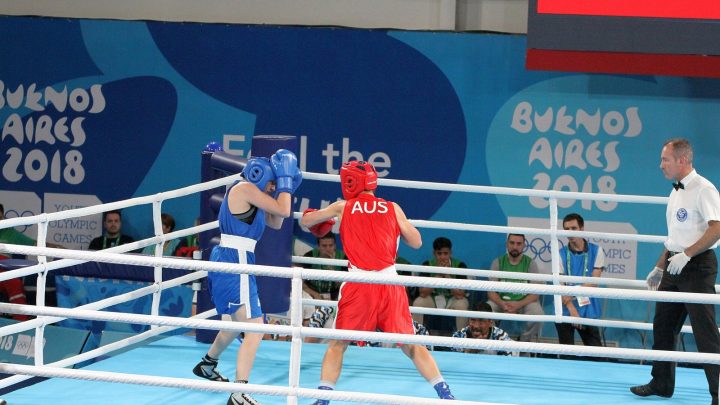
Footwork Fundamentals: How Boxers and Kickboxers Control Distance
How fighters use stance width, the step-drag, pivots, angles and ring cutting to control distance, and why footwork changes in Muay Thai and MMA.
How boxers avoid punches: guard positions, blocks and parries, slips, bobbing and weaving, the Philly shell shoulder roll, and footwork as defense.
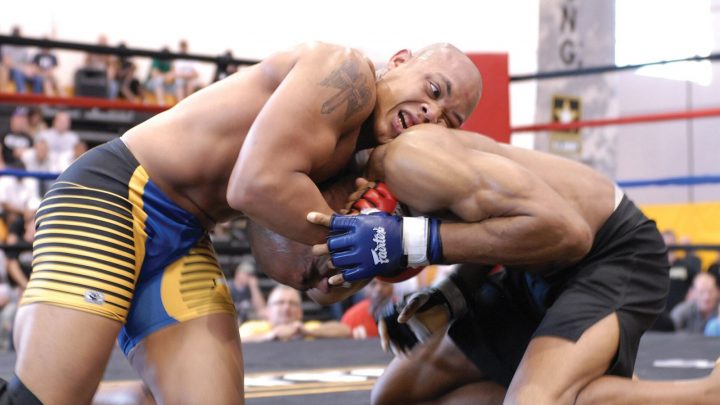
Why wrestling wins so many MMA fights: single and double legs, body locks, the sprawl, wrestling against the cage, and how fighters get back up.
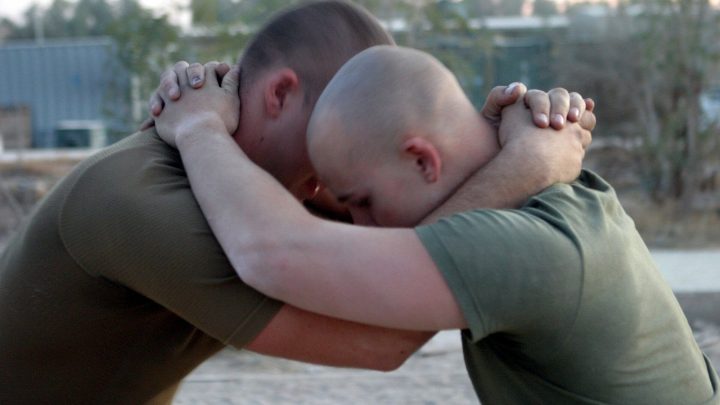
How the Muay Thai clinch works: the plum, collar ties, underhooks, knees and off-balancing, why it scores, and how kickboxing rules limit it.
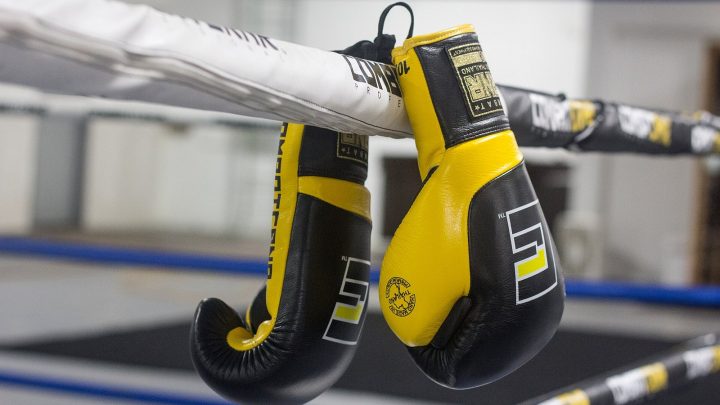
What glove ounces mean, how bag, sparring and competition gloves differ, lace vs hook-and-loop closures, and how to pick a pair that fits your training.
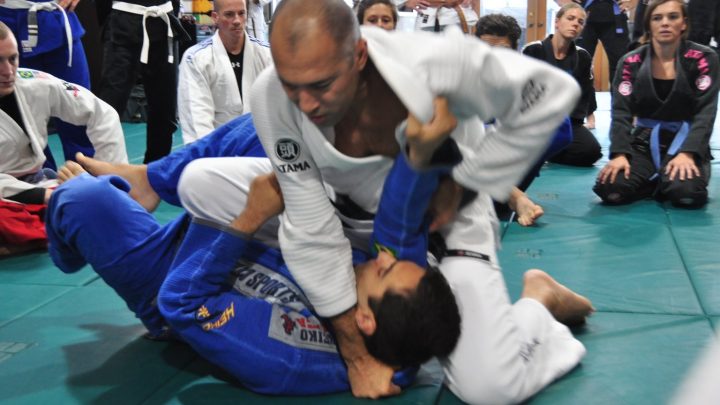
How MMA's main submissions work, from the rear-naked choke and guillotine to the armbar, kimura and heel hook, and which ones have been most common in the UFC.
Orthodox, southpaw and switch-hitting explained: open vs closed stance matchups, the lead-foot battle, and why southpaws are often seen as awkward opponents.
How the jab, cross, hook and uppercut work, the 1–6 number system coaches use, common beginner mistakes and simple combinations.