Orthodox vs Southpaw: Boxing Stances and Why They Matter
Orthodox, southpaw and switch-hitting explained: open vs closed stance matchups, the lead-foot battle, and why southpaws are often seen as awkward opponents.
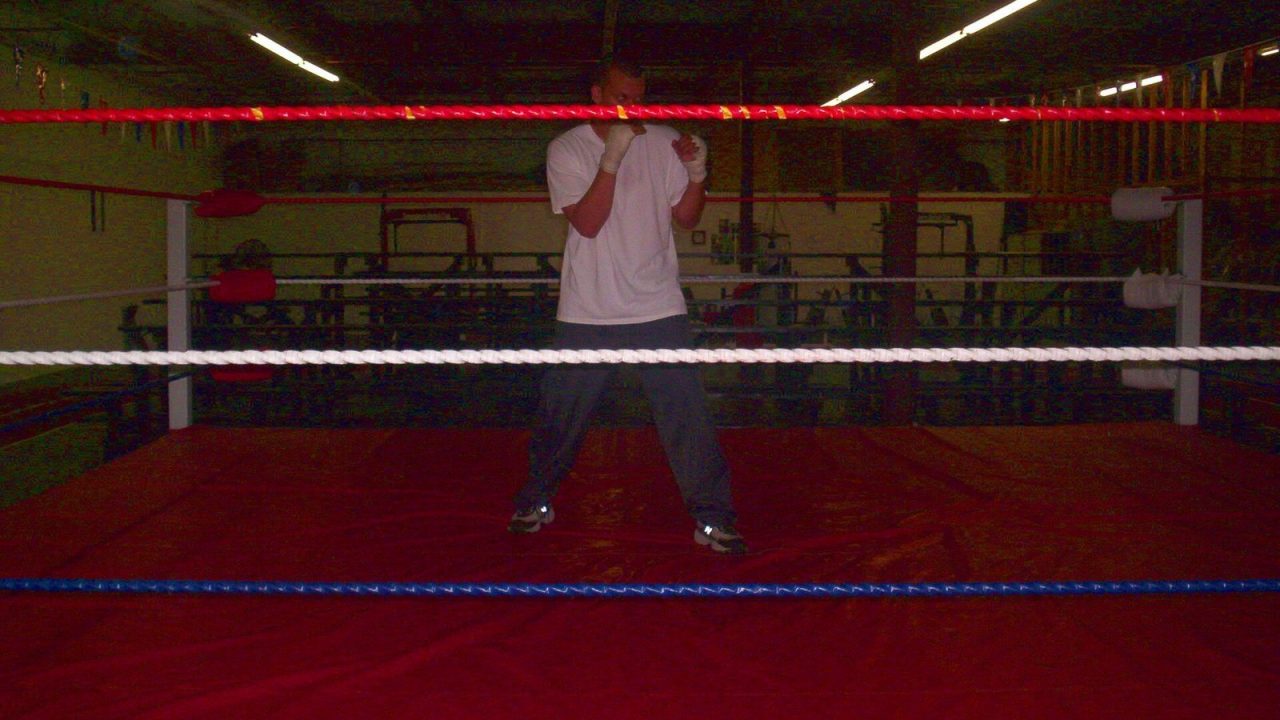
Before a single punch is thrown, a boxing match has already taken shape through the way each fighter stands. Stance determines which hand leads, which punches are natural, where the openings are and how footwork works. When two fighters with opposite stances meet, the geometry of the whole fight changes.
This guide explains the orthodox and southpaw stances, what happens when they meet, why southpaws have a reputation for being awkward and what switch-hitters are doing when they change stance mid-fight.
The Two Basic Stances
Orthodox
In the orthodox stance, the boxer stands with the left foot and left hand forward and the right hand at the back. It is the standard stance for right-handed boxers: the weaker left hand jabs, while the stronger right hand is kept back, where it has more distance to build power.
Southpaw
The southpaw stance is the mirror image: right foot and right hand forward, left hand at the back. It is the normal stance for left-handed boxers. A southpaw jabs with the right hand and throws the power cross with the left.
The word “southpaw” is commonly traced to baseball. A conventional explanation is that ballparks were often laid out so batters faced east, which meant a left-handed pitcher’s throwing arm was on the south side. Some dictionaries note the term was also used earlier in a general sense of “unusual,” so its exact origin is debated.
Not every southpaw is left-handed
Stance and handedness usually match, but not always. Some left-handed boxers are taught to fight orthodox, and some right-handers fight southpaw, which puts their stronger hand in front for a powerful jab and lead hook. Coaches have different philosophies on this, and the choice often depends on the individual fighter.
Closed Stance vs Open Stance Matchups
The most important idea in this topic is what happens when two stances meet.
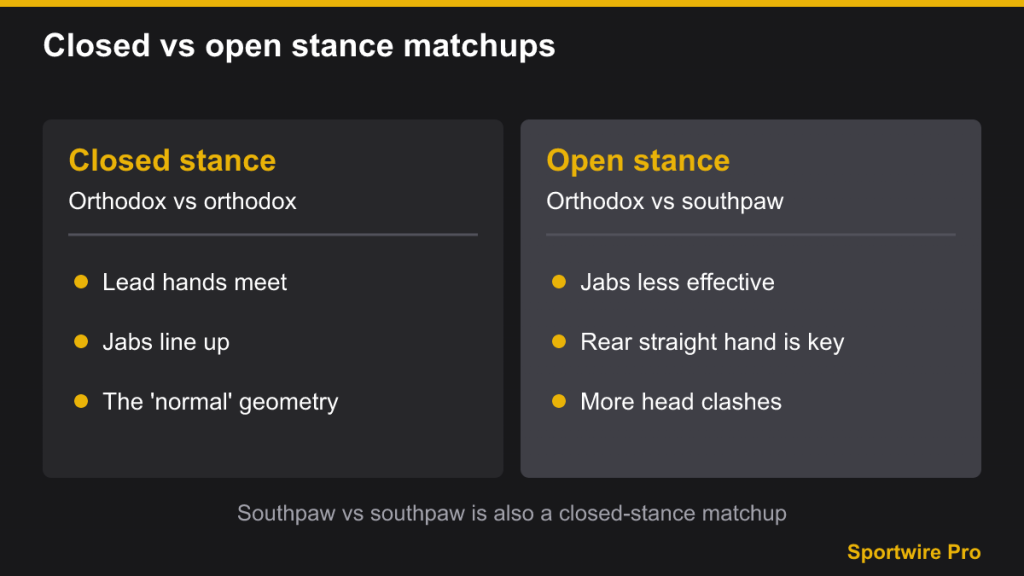
Closed stance: orthodox vs orthodox (or southpaw vs southpaw)
When both fighters use the same stance, their lead feet and lead hands line up on the same side. The jabs meet each other, the lead hands interfere with each other and both fighters’ chests face in similar directions. This is the “normal” geometry most boxers train for, and it is often called a closed-stance matchup.
Open stance: orthodox vs southpaw
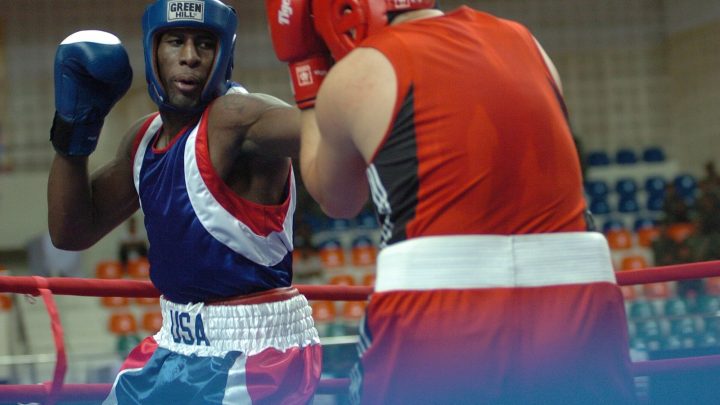
When an orthodox fighter faces a southpaw, their lead feet are on opposite sides and their chests open toward each other. This is called an open-stance matchup. Several things change at once:
- The jabs are less effective. Lead hands are on opposite sides, so jabs tend to collide with the opponent’s lead hand or slide off it.
- The rear hand becomes the key weapon. In an open-stance fight, the straight rear hand (the orthodox right or the southpaw left) has a more direct line to the target down the middle.
- Lead hooks and body shots change. The opponent’s open side means different targets are exposed. For example, the orthodox fighter’s right hand can land to the southpaw’s body and head on a different line than in a mirror matchup.
- Head clashes become more likely. Because both fighters’ lead feet try to step to the same space, heads can collide in exchanges. Referees often watch for accidental clashes in these fights.
The Lead-Foot Battle
In an open-stance fight, one of the most important battles happens at the feet. Coaches commonly teach that a fighter wants their lead foot on the outside of the opponent’s lead foot.
Why does that matter? A fighter whose lead foot is outside has a better angle for their rear hand to travel down the center line, while the opponent’s rear hand has to travel further around. It also helps the outside fighter step away from the opponent’s power hand. So in orthodox vs southpaw fights you will often see both boxers making small steps to win that outside position, a subtle contest that decides who lands the cleaner straight punches.
The battle is a constant trade-off. Stepping outside to gain the angle can expose a fighter to counters if done carelessly, and fighters use feints and footwork to draw the opponent into the wrong position.
Why Southpaws Are Considered Awkward
Southpaws have long had a reputation for being difficult to fight. The most common explanation is familiarity. Most boxers are orthodox, so most boxers spend most of their training and sparring against orthodox opponents. A southpaw, on the other hand, faces orthodox opponents constantly and becomes very used to open-stance geometry.
The result is a mismatch in experience:
- The orthodox fighter’s habits, like the jab, the angles and the instinctive defensive reactions, are tuned for a mirror opponent.
- Punches come from unexpected angles, especially the southpaw’s straight left, which is the orthodox fighter’s blind side if they are not used to it.
- Defensive habits, such as which way to slip, may move an orthodox fighter into the southpaw’s power hand.
Whether being left-handed gives a measurable advantage in combat sports is debated. Many advantages have been theorized, but research on handedness in sport has produced mixed results, and some studies find no clear effect at the professional level. What is clear is that preparing for a southpaw requires specific sparring partners and drills, and many boxers find it uncomfortable.
Southpaw vs southpaw
Ironically, when two southpaws meet, it can be the southpaws who feel out of place. Because they so rarely face a fellow southpaw, they may be less practiced at the closed-stance geometry that orthodox fighters see all the time.
Famous Southpaws
Many celebrated boxers have fought from the southpaw stance. Among those listed as southpaws in standard references:
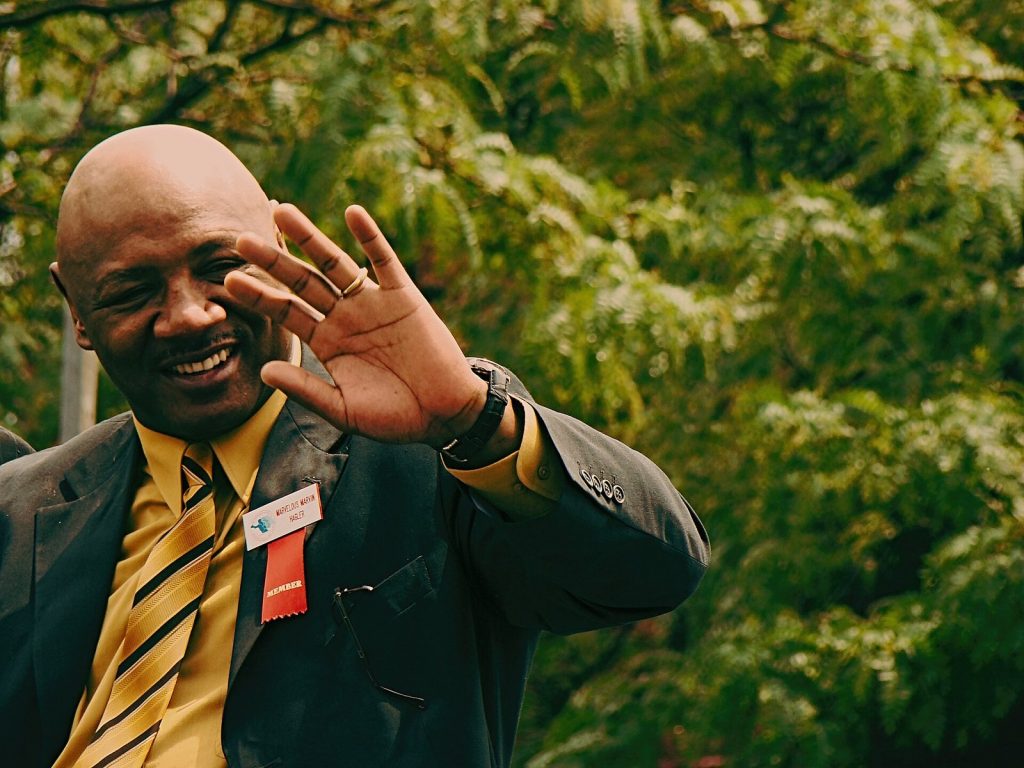
- Manny Pacquiao
- Marvin Hagler
- Pernell Whitaker
- Vasiliy Lomachenko
- Oleksandr Usyk
- Naseem Hamed
- Joe Calzaghe
- Héctor Camacho
- Errol Spence Jr.
They span very different eras, weight classes and styles, from pressure fighters to slick defensive boxers, which shows that “southpaw” describes a stance, not a single way of fighting. Watching any of them against orthodox opponents is a good education in how southpaws use the straight left and work for the outside foot position. When you watch, pay attention to where each fighter’s lead foot is in relation to the opponent’s, and to how often the straight left lands down the middle compared with the jab.
Switch-Hitting
A switch-hitter is a boxer who can fight effectively from both stances and changes between them during a fight. Some switch deliberately to solve a tactical problem; others switch fluidly within combinations.
Why switch?
- To change the geometry. Switching turns a closed-stance fight into an open-stance fight, or vice versa, which can confuse an opponent who has settled into a rhythm.
- To create angles. Stepping through into the opposite stance can put a fighter at an angle where the opponent cannot easily punch back.
- To shift power. Switching changes which hand is the rear power hand.
- To manage injuries. A fighter with an injured hand may switch to keep it in a less exposed role.
The risks
Switching is not free. Changing stance at the wrong moment leaves a fighter momentarily square and off balance, which is an ideal time to be hit. Fighters who switch effectively usually have years of practice from both sides. For beginners, coaches nearly always recommend mastering one stance first.
Stance in Other Combat Sports
Stance matters just as much in kickboxing, Muay Thai and MMA, but the threats change. In kicking sports, the lead leg becomes a target for low kicks, and in an open-stance matchup the rear roundhouse kick has a clear line to the opponent’s open side and body. In MMA, stance also affects takedown defense: a boxing-style stance with the weight on the front foot can leave the lead leg vulnerable to single-leg takedowns, so MMA fighters often stand somewhat squarer. Many MMA fighters switch stances frequently because of their varied striking and wrestling backgrounds.
Common Questions About Stances
Should a left-handed beginner fight southpaw?
Usually, yes, because it puts the stronger hand at the back where it can generate the most power, and that is how most coaches start left-handed students. But there is no strict rule. Some coaches prefer to put a fighter’s stronger hand in front, and some fighters simply feel more balanced one way. Try both under a coach’s eye before committing.
Is it harder for a southpaw to find sparring?
Not really. Because orthodox fighters are the majority, southpaws get plenty of open-stance practice. The harder search is usually for the orthodox fighter who needs southpaw sparring partners before a specific fight.
Does stance affect how judges score a fight?
No. Judges score clean punches, effective aggression, ring generalship and defense, regardless of stance. Stance only matters indirectly, by shaping which punches land.
Why do commentators keep talking about the lead foot?
Because in an open-stance fight, foot position often predicts who will land the cleaner straight rear hand. When a commentator says a fighter is “winning the foot battle,” they mean that fighter is keeping their lead foot outside more often.
Practical Tips if You Are Training
- Choose a stance with a coach. Handedness is a starting point, not a rule. A coach can help you decide based on how you move.
- Seek out the opposite stance. If you are orthodox, look for southpaw sparring partners or ask coaches to hold pads in southpaw.
- Drill the outside foot. In open-stance work, practice stepping your lead foot outside while keeping your balance.
- Learn the key weapons. Against an opposite-stance fighter, the straight rear hand and lead hook to the body are commonly emphasized.
- Be aware of head clashes. Keep your head position controlled when closing distance in open-stance exchanges.
If you are just starting out, our guide to the basic boxing punches explains the jab, cross, hook and uppercut from either stance. As always, train under qualified supervision and progress gradually.