The Basic Boxing Punches: Jab, Cross, Hook and Uppercut
How the jab, cross, hook and uppercut work, the 1–6 number system coaches use, common beginner mistakes and simple combinations.
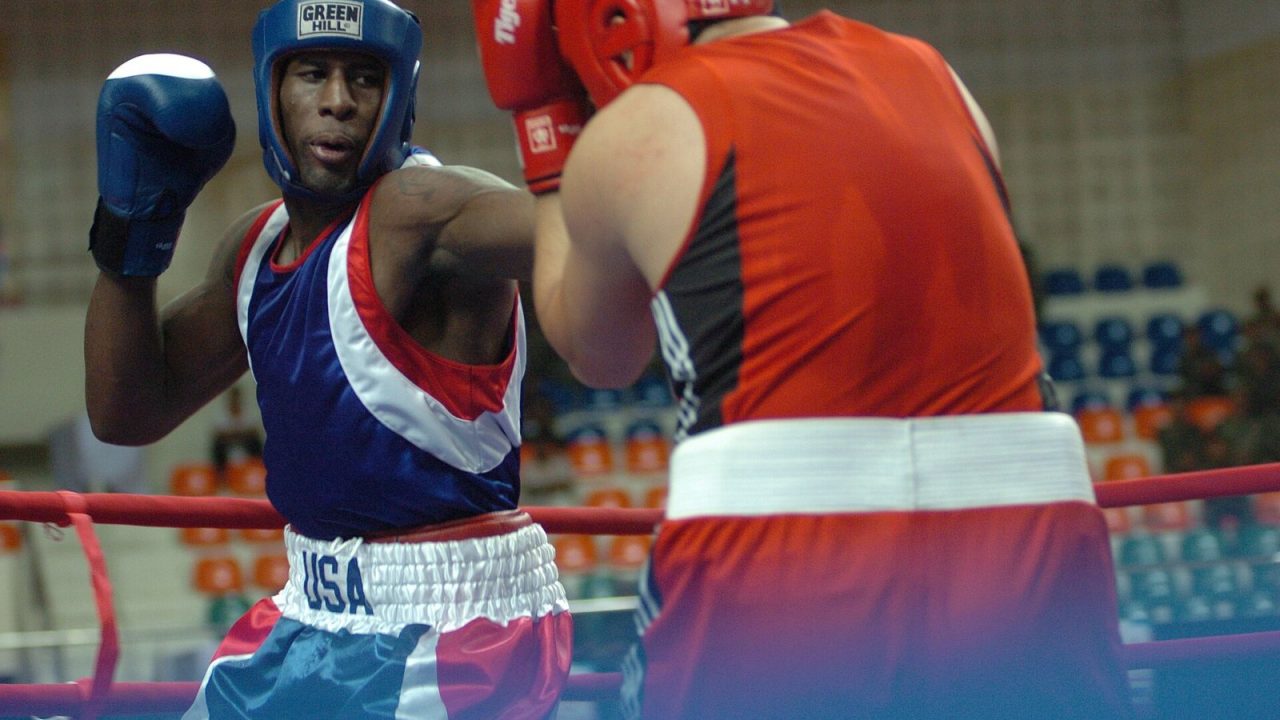
Boxing has a reputation as “the sweet science” because so much skill is built from so few tools. Almost everything a boxer throws is a variation of four punches: the jab, the cross, the hook and the uppercut. Thrown with either hand, to the head or body, in different rhythms and combinations, those four punches cover nearly all of boxing offense.
This article explains what each punch is for, how it generally works and the mistakes beginners make. It is an explanation, not a substitute for coaching: if you want to learn to punch, do it under a qualified coach who can watch your technique, and build up gradually to protect your hands, wrists and shoulders.
Stance Comes First
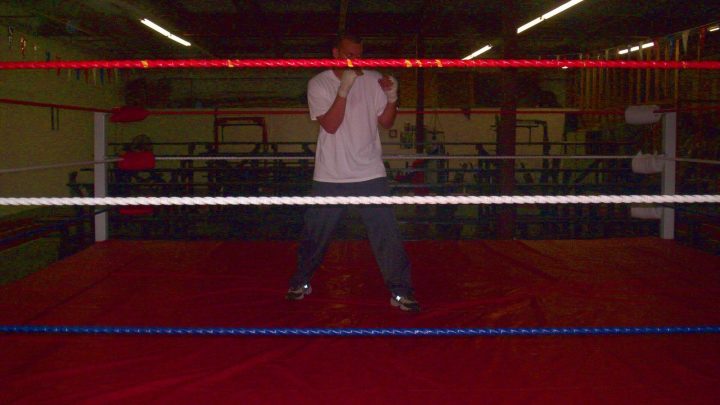
Every punch starts from the stance. In an orthodox stance, used by most right-handed boxers, the left foot and left hand are forward and the right hand is at the back. A southpaw stands the opposite way, with the right foot and hand forward. The front hand is called the lead hand and the back hand the rear hand.
A basic boxing stance generally has the feet roughly shoulder-width apart, the lead foot pointing toward the opponent and the rear foot angled, knees slightly bent, weight balanced, hands up by the face and elbows tucked to protect the body. The chin is lowered. The stance matters because power comes from the ground up: the legs, hips and torso drive the punch, and the arm delivers it.
The descriptions below assume an orthodox stance. For a southpaw, simply swap left and right.
The Number System Coaches Use
Coaches often call out punches by number, which is faster than saying “lead hook to the head” in the middle of a pad round. The most common system numbers the six basic punches like this:
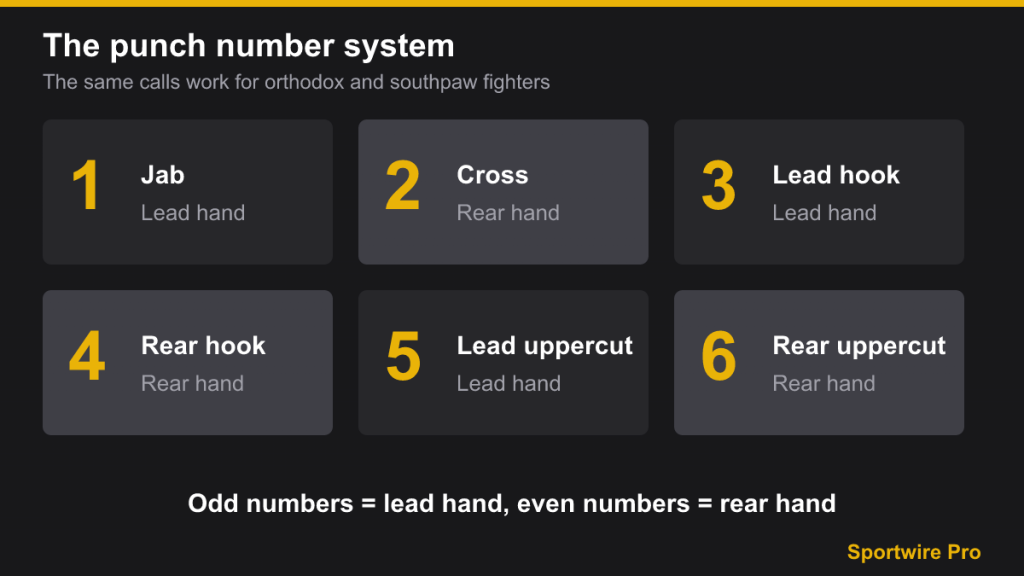
| Number | Punch | Hand (orthodox) |
|---|---|---|
| 1 | Jab | Lead (left) |
| 2 | Cross | Rear (right) |
| 3 | Lead hook | Lead (left) |
| 4 | Rear hook | Rear (right) |
| 5 | Lead uppercut | Lead (left) |
| 6 | Rear uppercut | Rear (right) |
The pattern is easy to remember: odd numbers are lead-hand punches and even numbers are rear-hand punches. Because the numbers refer to lead and rear rather than left and right, the same call works for southpaws. So “1-2” means jab-cross for everyone, and “1-2-3” means jab, cross, lead hook.
This is a convention rather than an official standard. Most gyms use numbers 1 through 6 this way, but some coaches number punches differently or add extra codes, such as marking body shots separately. If you join a gym, learn its system.
The Jab (1)
The jab is a straight punch thrown with the lead hand. It is the fastest punch because it starts closest to the target, and many coaches consider it the most important punch in boxing.
What it is for
- Measuring distance. The jab tells a boxer how far away the opponent is.
- Setting up other punches. It occupies the opponent’s guard and vision, creating openings for the rear hand.
- Controlling the fight. A steady jab keeps an aggressive opponent at bay and disrupts their rhythm.
- Scoring. Clean, snapping jabs land and count.
How it works
The lead hand extends straight from the guard toward the target, usually with the fist rotating so the palm faces down at impact. A small step forward with the lead foot can add reach and power. The rear hand stays up to protect the face, and the jab returns along the same line it went out on, straight back to the guard.
Common mistakes
- Dropping the hand before or after the jab (“pawing” or “fishing”).
- Pulling the hand back low, leaving the face open to a counter.
- Reaching with the upper body instead of stepping, which costs balance.
- Treating the jab as an afterthought instead of a real weapon.
The Cross (2)
The cross, often called the straight right for an orthodox fighter, is a straight punch thrown with the rear hand. Because it travels across the body and is driven by the hips and rear leg, it is usually a boxer’s most powerful straight punch.
How it works
The rear foot pivots, the hips and shoulders rotate toward the target, and the rear hand extends straight out. The weight shifts forward onto the lead leg without the boxer leaning past their own balance point. The lead hand returns to guard to protect the face, and the chin stays tucked behind the shoulder. After landing, the punch comes straight back to the guard.
Why the 1-2 is so common
The jab and cross complement each other perfectly. The jab closes distance and occupies the guard; the cross follows down the same line with more power. The “one-two” is the first combination most boxers learn and remains a staple at every level.
Common mistakes
- Throwing with the arm only and not rotating the hips, which removes power.
- Leaning too far forward, leaving the boxer off balance and open to counters.
- Dropping the lead hand while throwing.
- Telegraphing, such as pulling the hand back before throwing.
The Hook (3 and 4)
A hook is a curved punch thrown with a bent arm, coming around the side to the head or body. The lead hook is one of boxing’s most dangerous punches because it lands from outside the opponent’s field of vision and is thrown at short range.
How it works
For a lead hook, the arm is bent at roughly a right angle with the elbow raised so the forearm is roughly parallel to the floor when aimed at the head. Power comes from rotating the lead foot, hips and shoulders together, rather than from swinging the arm. Coaches differ on whether the palm should face down or toward the boxer; both are taught. The rear hand stays up to protect the face.
The rear hook works on the same principle but travels a longer distance, so it is slower and easier to see. It is often used after a lead hook or in close exchanges.
Body hooks
Hooks to the body, especially the lead hook to the liver area of an orthodox opponent, are among the most effective punches in boxing. To throw them, boxers usually bend their knees to drop their level rather than simply dropping their hand.
Common mistakes
- Winding up or “looping” the punch too wide, which makes it slow and easy to see.
- Throwing with the arm rather than turning the body.
- Not keeping the other hand up, leaving the chin open to a counter hook.
- Hitting with a bent or loose wrist, which risks injury.
The Uppercut (5 and 6)
The uppercut travels upward, under the opponent’s guard, toward the chin or body. It is mainly a close-range punch, and it is especially effective against opponents who lean forward or keep their gloves high in front of their face, because it comes up through the gap.
How it works
The boxer bends the knees slightly and rotates the hips and shoulders, driving the punch upward with the legs rather than dropping the hand low first. The palm generally faces the boxer at impact. The rear uppercut is generally more powerful; the lead uppercut is quicker and harder to see.
Common mistakes
- Dropping the hand low before throwing, which telegraphs the punch and opens the guard.
- Throwing from too far away, where the uppercut has little effect and leaves the boxer exposed.
- Leaning back while throwing.
Putting Punches Together
Single punches are easy to defend. Combinations, sequences of punches thrown so that each one creates an opening for the next, are what make boxing offense work. A general principle is that punches flow well when they alternate hands, because each punch loads the body for the next one.
A few classic beginner combinations:
- 1-1-2: double jab, then cross. The second jab can catch an opponent who reacts to the first.
- 1-2-3: jab, cross, lead hook. The cross turns the body in a way that sets up the hook naturally.
- 1-2-3-2: jab, cross, lead hook, cross.
- 3 to the body, 3 to the head: a lead hook to the body to bring the guard down, then a lead hook upstairs.
- 2-3-2: cross, lead hook, cross, a common counter sequence.
- 5-2 or 6-3: uppercut followed by a straight punch or hook, useful at close range.
Just as important as throwing combinations is finishing them safely. Coaches emphasize returning to the guard, stepping out or moving the head after the last punch, rather than standing still in front of the opponent.
Head and body: changing levels
Every one of the four punches can be thrown to the head or the body, and mixing levels is one of the simplest ways to make combinations harder to defend. A jab to the body can lower an opponent’s guard for a cross to the head; a hook upstairs can make them lift their elbows, exposing the ribs. When going to the body, boxers generally bend their knees to drop their level rather than leaning forward or dropping their hands, which keeps them balanced and protected. Watch elite boxers and you will see them constantly switching between head and body within the same combination.
Training Tips for Beginners
- Learn slowly. Technique first, speed second, power last.
- Protect your hands. Wrap your hands and use appropriate gloves for bag work.
- Use a mirror and shadowboxing. Shadowboxing lets you practice form without impact.
- Get feedback. A coach holding pads will spot errors you cannot feel.
- Breathe out when you punch. Exhaling sharply on each punch helps relaxation and timing.
- Stay relaxed. Tension slows punches down; many coaches teach that the fist tightens only at impact.
- Train both sides. Even if you never switch stance, practicing both hands builds coordination.
As you watch fights, look at how professionals use these same four punches. Our guide to watching boxing explains how jabs, body shots and combinations shape the way rounds are won. And if you are tempted to start training, take it step by step and check with a medical professional first if you have any existing injuries or health concerns.