Boxing Gloves Guide: Ounces, Types and Choosing the Right Pair
What glove ounces mean, how bag, sparring and competition gloves differ, lace vs hook-and-loop closures, and how to pick a pair that fits your training.
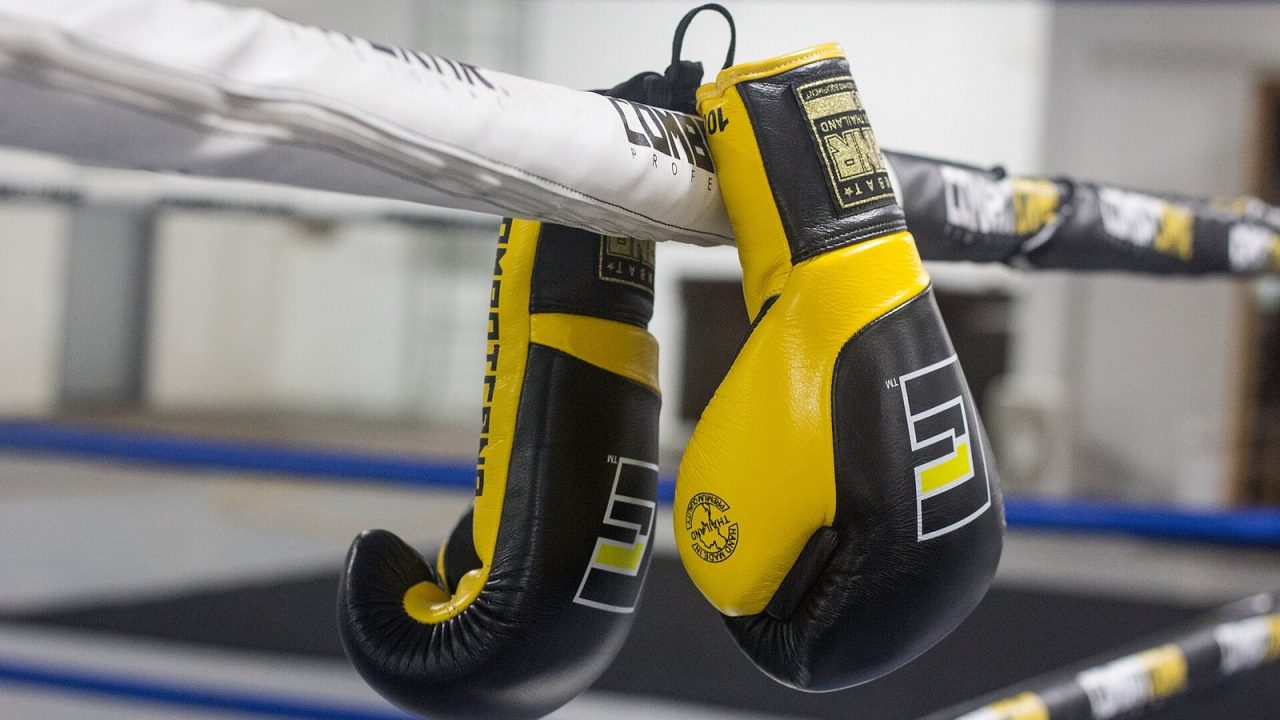
Walk into any boxing gym and you will see gloves in every color, shape and weight. Some are slim and firm, some look like pillows, and a few are laced up and taped like a pro’s. For a beginner, the most confusing part is usually the number printed on the cuff: 10 oz, 12 oz, 16 oz. That number matters more than the brand or the color, and understanding it is the first step to buying gloves that protect your hands and your training partners.
This guide explains what glove weights actually measure, the main types of gloves and what each is built for, the difference between lace-up and hook-and-loop closures, and how to judge fit. It stays away from brand rankings and prices, because those change constantly and depend on where you live. The principles below do not.
What the Ounces on a Boxing Glove Mean
A glove’s ounce rating is its weight, and in practice it is a rough proxy for how much padding it carries. A 16 oz glove is not simply a scaled-up 10 oz glove for bigger hands; it usually has noticeably more foam over the knuckles and around the hand. More padding spreads the force of a punch over a larger area and over a slightly longer time, which is gentler on both the puncher’s hand and whatever (or whoever) gets hit.
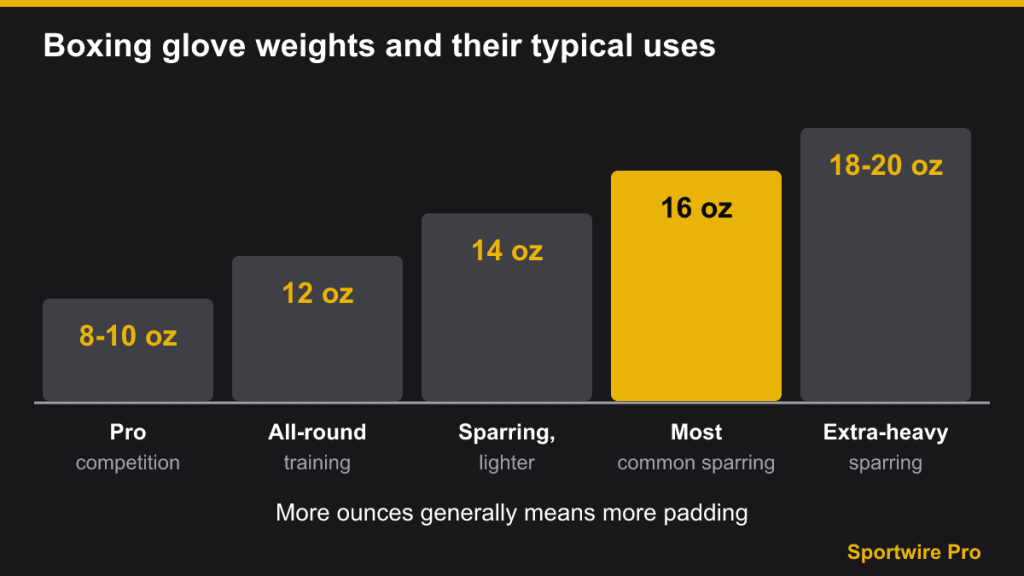
Common weights run from 8 oz up to 20 oz. As a rough map of how they are used:
- 8–10 oz: the range used in professional competition, and in some lighter bag gloves.
- 12 oz: a common all-round training weight for lighter adults, and a typical weight for amateur competition in heavier categories.
- 14 oz: a middle ground many gyms accept for sparring by lighter and middleweight boxers.
- 16 oz: the most widely requested sparring weight for adults, especially those above roughly middleweight.
- 18–20 oz: extra-heavy sparring gloves for big heavyweights or for coaches who want maximum protection.
The Wikipedia overview of boxing gloves notes that sparring gloves are usually 2 to 4 oz heavier than competition gloves, and mentions that heavyweight Sonny Liston used custom 22 oz gloves. Those are outliers; most people will never need anything above 16 or 18 oz.
One point that trips up newcomers: glove weight is not the same thing as glove size. Many brands also sell gloves in small, medium and large hand sizes within a given weight, and some use ounces alone. A large-handed beginner who wants 12 oz gloves for bag work may find them too tight, while a small-handed person may swim in 16 oz gloves from one brand but not another.
The Main Types of Boxing Gloves
Manufacturers market dozens of models, but almost all of them fall into a few categories. Knowing which category you need prevents the most common buying mistake: purchasing one pair for everything and discovering it is a poor fit for half of what you do.
Bag gloves
Bag gloves are built to take repeated hard impacts on heavy bags, double-end bags and pads. Older bag gloves were thin and lightly padded, almost like mitts; modern ones are usually closer to training gloves, with dense foam that holds up to thousands of rounds. They tend to be firm, which gives good feedback on whether your punch landed correctly, but that firmness is exactly why they are not ideal for hitting people.
Training or “all-purpose” gloves
These are what most recreational boxers own. They are designed to handle bag work, mitt work and, in heavier weights, light sparring. If you only want one pair, a 14 or 16 oz training glove from a reputable maker is the usual recommendation, because it is heavy enough for most gyms’ sparring rules.
Sparring gloves
Dedicated sparring gloves prioritize the safety of your partner. They often have softer, thicker padding over the striking surface, and gyms commonly reserve them for partner work only. Some boxers keep sparring gloves away from the heavy bag altogether, since constant bag use compresses the foam and makes the gloves harder over time.
Competition gloves
Competition gloves are made to official regulations and are usually less padded than training gloves, with a more compact shape. Amateur competition gloves often have a white area over the knuckles that marks the scoring surface, and amateur boxers typically compete in red or blue gloves to match their corner. Professional fight gloves are typically lace-up and are often supplied or approved for the event rather than brought from home.
Why Pro Fights Use 8 or 10 Ounce Gloves
Professional boxing uses much lighter gloves than you would ever spar in. The widely followed convention is that boxers in the lighter divisions wear 8 oz gloves and boxers in heavier divisions wear 10 oz gloves, with the dividing line at or near the welterweight limit of 147 pounds. Heavier gloves for heavier fighters reflect the greater forces involved.
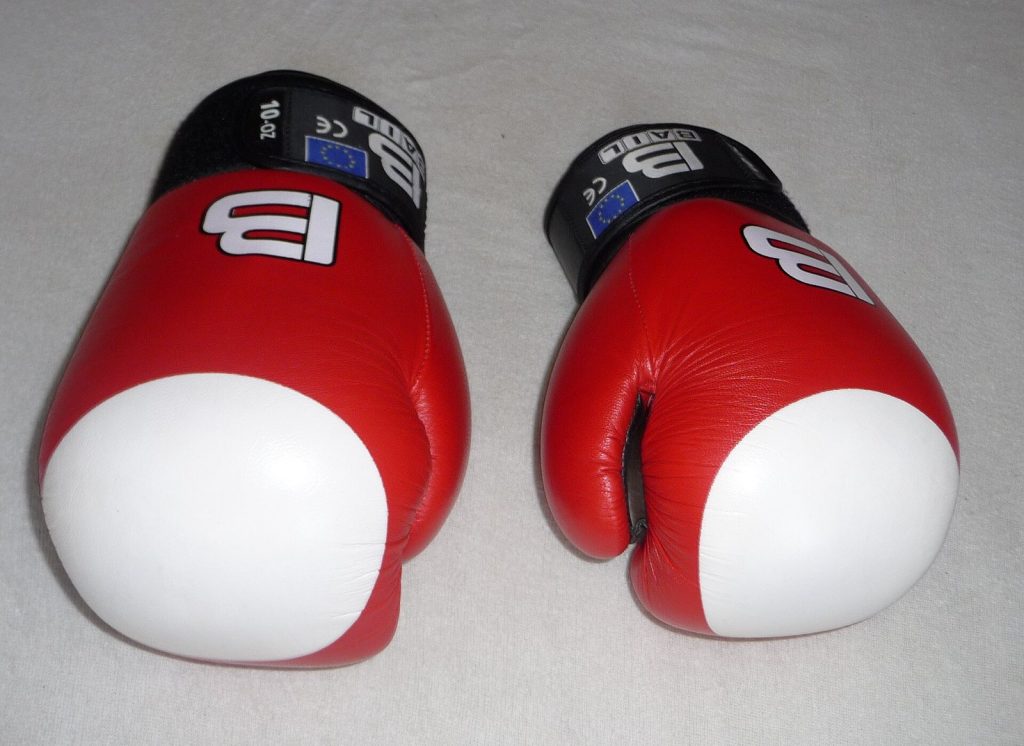
Do not c, CC BY-SA 4.0 via Wikimedia Commons
The exact cutoff is set by each athletic commission, and they do not all draw it in the same place. Nevada is a good illustration. As reported ahead of the 2017 Floyd Mayweather vs. Conor McGregor fight, Nevada’s rules required boxers weighing in up to and including 135 pounds to wear 8 oz gloves and those over 135 pounds to wear 10 oz gloves, while allowing boxers between 135 and 147 pounds to use 8 oz gloves if both agreed in writing in their bout agreement. That fight was contracted at the 154-pound junior middleweight limit, which put it in 10 oz territory under the written rule, and the glove weight became a story in itself.
The lesson for fans is that “pro gloves are 8 or 10 ounces” is a reliable general rule, but the precise threshold depends on the jurisdiction. Amateur boxing works differently again: amateur bodies generally use 10 oz or 12 oz gloves depending on the weight category, with the heavier gloves for heavier boxers. If you are entering an amateur event, the organizer’s current rulebook is the only authority that counts.
For a refresher on where those divisions sit, see our guide to boxing weight classes.
Lace-Up vs Hook-and-Loop Closures
The closure system affects fit, convenience and wrist support more than most beginners expect.
| Feature | Lace-up | Hook-and-loop (velcro) |
|---|---|---|
| Fit | Very snug and secure, molds to the hand and wrist | Good, but depends on strap design |
| Putting on and off | Needs a second person; slow | Can be done alone in seconds |
| Wrist support | Excellent when laced properly | Wide straps act like an extra wrap around the wrist |
| Typical users | Professionals, competitive amateurs, serious sparring | Most gym-goers and recreational boxers |
| Competition use | Standard in pro fights, usually taped over the laces | Common in amateur and recreational settings |
Lace-ups give the most precise fit, which is why professionals use them, but they are impractical if you train alone or need to switch between gloves and other tasks during a session. Hook-and-loop gloves are the default for almost everyone else. Some boxers use a lace-up glove with a hook-and-loop converter, a strap accessory that lets them close the glove without help.
Materials and Construction
Glove shells are generally made from leather or synthetic leather. Genuine leather tends to be more durable and breathable and molds to the hand over time, while synthetics are usually cheaper, lighter and easier to wipe clean but can crack sooner under heavy use. Neither is automatically better for a beginner; build quality and padding matter more.
Inside, padding is typically layered foam, sometimes combined with traditional horsehair in old-school designs. Foam is the modern standard because it absorbs shock consistently. Horsehair padding can feel more “punchy” and is long-lasting, but it typically protects less, which is why horsehair-style gloves are favored by some fighters for competition and by few for daily sparring.
Other details worth checking:
- Attached thumb: nearly all modern gloves stitch the thumb to the body of the glove, reducing the risk of thumb injuries and of accidentally poking an opponent’s eye.
- Palm ventilation: mesh palms help gloves dry out.
- Cuff length: a longer cuff gives more wrist coverage and support.
How to Choose the Right Pair
Start with what you will actually do in the gym, then narrow by body weight and fit.
- Check your gym’s rules first. Many gyms set a minimum glove weight for sparring, commonly 14 or 16 oz for adults. Ask before you buy so you do not end up with a pair you cannot use with partners.
- Decide between one pair or two. If you only hit bags and pads, a 12 or 14 oz training glove may be enough. If you spar regularly, a dedicated 16 oz sparring pair plus a separate bag glove keeps the sparring padding soft and your partners happier.
- Match weight roughly to body size. Lighter adults can often use 12–14 oz for general training; heavier adults usually go 16 oz or more, especially for sparring.
- Try them on with hand wraps. Gloves should be judged with your wraps on, since wraps add bulk. Your fingers should reach the end comfortably, and you should be able to make a full fist without pressure points.
- Test the fist and wrist. A good glove keeps the wrist straight and the knuckles aligned. If your wrist bends easily inside the cuff, the glove is too loose or the strap is too short.
Common Mistakes With Boxing Gloves
- Buying gloves that are too light. Beginners sometimes pick 10 oz gloves because they feel fast. Light gloves offer less protection for your hands and partners, and many gyms will not allow them for sparring.
- Skipping hand wraps. Gloves protect the outside of the hand; wraps support the small bones and the wrist. The two work together.
- Using sparring gloves on the heavy bag every day. Bag work flattens the foam over time, which makes gloves harder and less safe for partner work.
- Never drying them. Sweat-soaked gloves left in a bag breed bacteria and smell. Open them up, let them air dry, and consider glove deodorizers.
- Sharing gloves without cleaning. Gym loaner gloves are convenient, but skin infections spread through shared equipment. Your own pair is a sensible early investment.
Caring for Your Gloves
Good gloves last a long time if you treat them well. After every session, pull the cuffs open and let air circulate; avoid leaving them in a closed gym bag overnight. Wipe the outside with a damp cloth, and for leather gloves, an occasional light conditioning helps prevent cracks. Replace gloves when the padding has clearly compressed, when you can feel your knuckles striking through, or when the inner lining starts to tear, because worn-out padding is a safety problem rather than just a cosmetic one.
Once your gloves are sorted, the next step is learning to use them properly. Our breakdown of the jab, cross, hook and uppercut covers the fundamentals, ideally practiced under a qualified coach.
Quick Answers
What ounce gloves should a beginner buy?
For most adult beginners, 14 or 16 oz is the safest starting point because it covers both bag work and sparring at the majority of gyms. Lighter people who only hit bags and pads may prefer 12 oz.
Do gloves make punches less dangerous?
Gloves protect the hands and reduce cuts, but they do not make head impacts harmless. That is one reason heavier sparring gloves, controlled sparring and supervision by a coach matter.