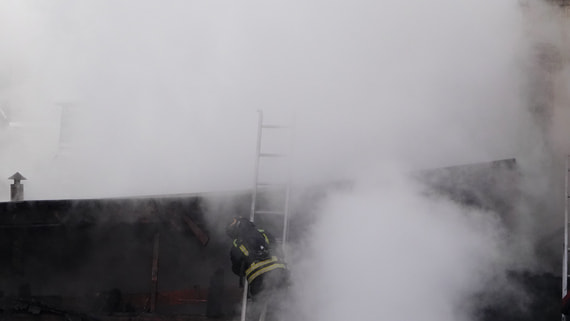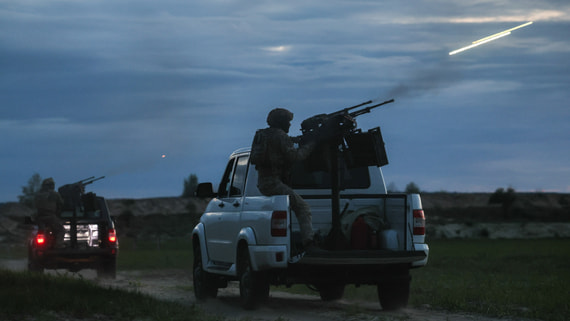
The Russian Ministry of Defense announced that its armed forces conducted a retaliatory strike targeting military industrial facilities in Kyiv following a series of Ukrainian attacks on Russian border regions. The operation, which occurred in the early morning hours, reportedly focused on defense manufacturing plants that have been integral to Ukraine’s military production capabilities. This latest exchange of strikes represents a continued escalation in the ongoing conflict that has now stretched into its third year.
According to Russian military officials, the strikes were a direct response to recent Ukrainian drone and missile attacks that targeted civilian infrastructure and military installations in several Russian regions, including Belgorod, Kursk, and Bryansk. These border areas have experienced increasingly frequent attacks over the past several months, with local authorities reporting damage to residential buildings, power facilities, and transportation infrastructure. The Russian Defense Ministry stated that the retaliatory operation utilized precision-guided weapons to minimize collateral damage while targeting specific military-industrial objectives.
Background of Cross-Border Attacks
The pattern of cross-border strikes has intensified significantly since early 2024, marking a notable shift in the conflict’s dynamics. Ukrainian forces have increasingly targeted Russian territory using domestically produced drones and, according to some reports, modified weapons systems. The attacks on Russian regions have served multiple strategic purposes, including disrupting supply lines, degrading military infrastructure, and demonstrating Ukraine’s capability to strike deep within Russian territory. Russian authorities have repeatedly condemned these attacks as terrorist actions, while Ukrainian officials have characterized them as legitimate military operations against an aggressor nation.
The city of Belgorod, located approximately 40 kilometers from the Ukrainian border, has been particularly affected by the cross-border violence. Residents have endured frequent air raid warnings, and several deadly attacks have claimed civilian lives throughout the conflict. In response, Russian authorities have implemented enhanced air defense measures and evacuation protocols for residents in the most vulnerable areas. The situation has created a sense of perpetual insecurity for millions of people living in Russia’s western border regions.
Kyiv’s Defense Infrastructure Under Pressure
The Ukrainian capital has faced numerous aerial attacks since the beginning of the full-scale invasion in February 2022. Kyiv’s air defense network, bolstered by Western-supplied systems including American Patriot missiles and German IRIS-T platforms, has successfully intercepted many incoming projectiles. However, the constant barrage has strained both equipment and personnel. Ukrainian authorities have invested heavily in dispersing critical military production facilities and implementing protective measures to ensure continued operations despite the ongoing threat.
Military analysts note that strikes on industrial facilities represent an attempt to degrade Ukraine’s domestic weapons production capacity, which has become increasingly important as Western military aid faces political uncertainties. Ukraine has worked to expand its domestic defense manufacturing, producing drones, ammunition, and armored vehicles to supplement foreign supplies. The targeting of these facilities underscores the strategic importance both sides place on industrial capabilities in what has become a prolonged war of attrition.
International Response and Humanitarian Concerns
The international community has expressed ongoing concern about the escalating exchange of strikes, particularly regarding civilian casualties and infrastructure damage. Human rights organizations have documented numerous incidents where military operations have resulted in civilian harm on both sides of the conflict. The United Nations has repeatedly called for adherence to international humanitarian law and the protection of civilian populations, though such appeals have had limited practical impact on the conduct of hostilities.
Western nations have continued to provide military and economic support to Ukraine while maintaining sanctions against Russia. The latest strikes are likely to feature prominently in diplomatic discussions, with both sides presenting their actions as defensive responses to aggression. As the conflict continues without clear prospects for negotiation, civilians on both sides of the border remain caught in an increasingly dangerous cycle of attack and retaliation that shows no signs of abating in the near term.
Expert Opinion: Military analysts suggest that the intensification of cross-border strikes indicates both sides are pursuing attrition strategies aimed at degrading each other’s military-industrial capabilities rather than seeking territorial gains alone. This pattern of tit-for-tat escalation creates significant risks for further conflict expansion, particularly as both nations demonstrate enhanced long-range strike capabilities. The coming months may see continued targeting of industrial and energy infrastructure as each side attempts to undermine the other’s war-sustaining capacity ahead of potential diplomatic initiatives.