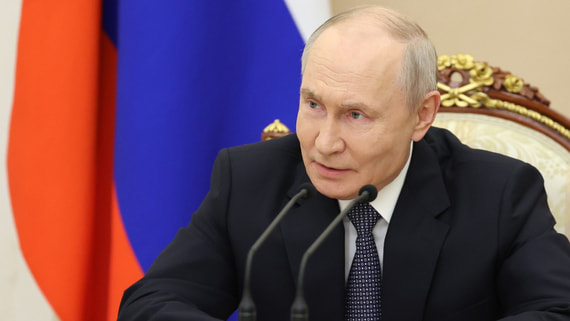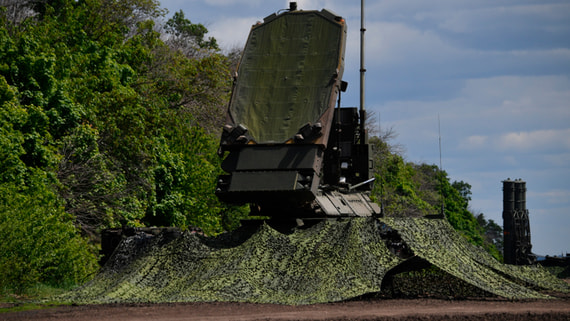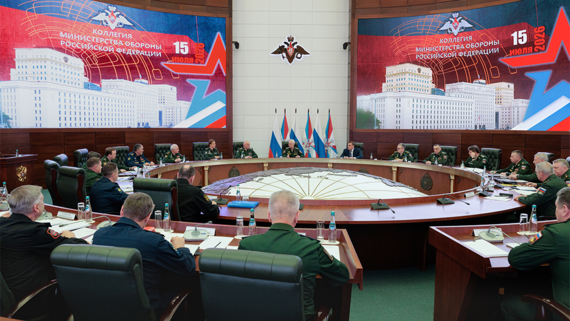

The Russian Ministry of Defense announced that its armed forces conducted a series of coordinated strikes against Ukrainian military-industrial complex facilities during the night of July 19. According to official statements, the primary targets included defense enterprises located in Kyiv as well as critical port infrastructure in the Odessa region. The strikes reportedly involved high-precision weaponry and were aimed at degrading Ukraine’s defense production capabilities and logistics networks.
Targets and Scope of the Overnight Operations
According to the Russian defense ministry’s briefing, the overnight operation targeted multiple strategic facilities that have been identified as key components of Ukraine’s defense manufacturing sector. The strikes on Kyiv reportedly focused on enterprises involved in the production and repair of military equipment, while the port infrastructure attacks in Odessa Oblast aimed to disrupt supply chains and logistics operations. Russian military officials have consistently maintained that such strikes are directed exclusively at military and defense-related targets, though independent verification of damage assessments remains difficult given the ongoing conflict conditions.
The targeting of port facilities in the Odessa region carries particular significance given the area’s importance for Ukrainian grain exports and general maritime commerce. Since the collapse of the Black Sea Grain Initiative in July 2023, both Russian and Ukrainian forces have conducted operations affecting port infrastructure along the Black Sea coast. The Odessa ports have historically served as Ukraine’s primary maritime gateway, handling a substantial portion of the country’s export traffic before the conflict began in February 2022.
Historical Context of Strikes on Ukrainian Infrastructure
Russia’s strategy of targeting Ukrainian defense industry and infrastructure has been a consistent feature of the conflict since its escalation in 2022. Military analysts note that strikes on defense manufacturing facilities represent an attempt to degrade Ukraine’s capacity for indigenous weapons production and equipment repair. Prior to the conflict, Ukraine possessed significant defense manufacturing capabilities inherited from the Soviet era, including facilities capable of producing missiles, armored vehicles, and aircraft components. The systematic targeting of these facilities has forced Ukraine to rely more heavily on Western military assistance and supplies.
Throughout 2024 and into 2025, both sides have intensified their long-range strike campaigns. Ukraine has conducted drone attacks deep into Russian territory targeting oil refineries and military installations, while Russia has maintained pressure on Ukrainian energy infrastructure, defense plants, and transportation networks. This pattern of mutual escalation has raised concerns among international observers about the humanitarian impact on civilian populations, particularly during winter months when energy infrastructure damage affects heating and electricity supplies to millions of people.
International Response and Ongoing Developments
The international community continues to monitor developments in Ukraine closely, with Western nations providing substantial military and financial support to Kyiv while calling for diplomatic solutions to the conflict. The targeting of infrastructure has drawn condemnation from Ukrainian officials and their Western allies, who characterize such strikes as violations of international humanitarian law when civilian facilities are affected. Russian officials counter that their operations comply with the laws of armed conflict and specifically target military objectives.
As the conflict enters its fourth year, both sides appear committed to continuing military operations despite periodic diplomatic overtures. The economic and human costs continue to mount, with millions displaced and significant portions of Ukraine’s industrial and energy infrastructure damaged or destroyed. Defense analysts suggest that the pace and intensity of strikes on both sides indicate neither party currently sees conditions favorable for a negotiated settlement, making continued military operations likely for the foreseeable future.
Expert Opinion: Military analysts assess that Russia’s sustained campaign against Ukrainian defense industry reflects a strategic calculation that degrading indigenous production capacity will increase Ukraine’s dependence on Western supplies, which face their own production and delivery constraints. The simultaneous targeting of port infrastructure suggests an effort to complicate logistics and supply chains at multiple points. Looking ahead, the effectiveness of these strikes will likely depend on Ukraine’s ability to disperse and protect critical manufacturing capabilities while maintaining access to alternative supply routes through neighboring NATO countries.