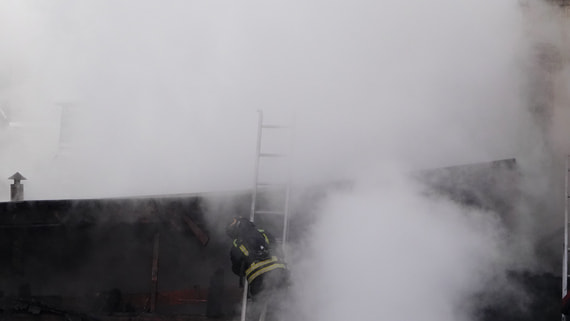
Russian authorities have reported one of the largest coordinated drone attacks in recent months, with air defense systems intercepting 351 unmanned aerial vehicles targeting multiple regions across the country. The overnight assault resulted in significant damage to civilian infrastructure, including Ozon warehouse facilities, and tragically claimed the lives of three children in the southern city of Krasnodar. The scale of the attack underscores the intensifying nature of the conflict as Ukraine continues to extend its reach deep into Russian territory.
Scale of the Attack and Russian Response
The Russian Ministry of Defense confirmed that air defense units worked throughout the night to neutralize the incoming threats across several border regions and deeper into Russian territory. The 351 intercepted drones represent a substantial escalation in the ongoing aerial campaign that has characterized recent months of the conflict. Military analysts note that such large-scale coordinated attacks require significant planning and resources, suggesting Ukraine’s drone manufacturing capabilities and tactical coordination have reached new levels of sophistication. Russian officials have repeatedly claimed high interception rates, though independent verification of these figures remains difficult due to wartime information restrictions.
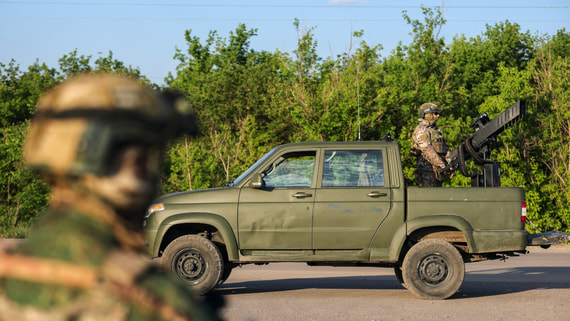
The attack targeted multiple Russian regions simultaneously, a tactic that stretches air defense resources and increases the likelihood of some drones reaching their intended targets. This strategy has become increasingly common as both sides in the conflict develop more advanced drone technologies and countermeasures. The Russian air defense network, which includes systems such as the Pantsir-S1 and various electronic warfare platforms, faced one of its most significant tests in recent weeks.
Civilian Infrastructure and Economic Targets
Among the most notable targets were facilities belonging to Ozon, one of Russia’s largest e-commerce platforms often compared to Amazon. The damage to Ozon warehouses represents a direct strike against Russia’s civilian economic infrastructure, potentially disrupting supply chains and delivery services for millions of customers. Such attacks on commercial facilities mark a shift in targeting strategy, moving beyond purely military objectives to include economic pressure points. The e-commerce giant operates numerous fulfillment centers across Russia, and any significant disruption could affect the company’s ability to serve customers in affected regions.
The targeting of civilian economic infrastructure has become an increasingly contentious aspect of the conflict. While military strategists argue that logistics and supply networks can serve dual civilian-military purposes, humanitarian organizations have expressed concern about the broader impact on civilian populations. The destruction of warehouse facilities can lead to shortages of consumer goods and essential supplies, adding economic hardship to the already significant burdens faced by people living in conflict-affected areas.
Tragic Civilian Casualties in Krasnodar
The most devastating consequence of the attack was the death of three children in Krasnodar, a major city in southern Russia with a population of approximately one million people. The circumstances surrounding these deaths highlight the indiscriminate nature of modern drone warfare and the devastating toll it takes on innocent civilians. Krasnodar, located roughly 150 kilometers from the Black Sea coast, has experienced multiple drone incidents since the conflict began, though casualties of this magnitude remain relatively rare for the city.
The loss of young lives has prompted outrage among Russian officials and citizens alike, with regional authorities calling for enhanced protective measures and federal support. The tragedy adds to the growing civilian death toll on both sides of the conflict, which has now stretched into its third year. International humanitarian organizations continue to call for greater protection of civilian populations, though such appeals have had limited practical effect amid the ongoing hostilities. The incident serves as a stark reminder that modern warfare, despite its precision-guided technology, continues to exact a terrible price on those who have no part in military decision-making.
Broader Context and Strategic Implications
The large-scale drone attack fits into a broader pattern of Ukrainian strikes targeting Russian territory that has intensified throughout 2024 and into 2025. Ukraine has developed a robust domestic drone manufacturing capability, producing thousands of unmanned aerial vehicles monthly despite ongoing Russian attacks on its energy infrastructure and industrial base. These drones range from small, commercially modified quadcopters to larger, purpose-built strike platforms capable of traveling hundreds of kilometers into Russian territory.
Military experts suggest that Ukraine’s drone campaign serves multiple strategic purposes beyond immediate tactical gains. The attacks force Russia to allocate significant resources to air defense across vast territories, potentially drawing assets away from front-line operations. Additionally, strikes on Russian soil may affect public morale and increase pressure on the Kremlin to seek negotiated solutions to the conflict. However, Russian officials have shown little indication of changing their strategic approach in response to these attacks, instead promising to enhance defensive capabilities and continue military operations in Ukraine.
Expert Opinion: The unprecedented scale of this drone assault indicates Ukraine’s growing asymmetric warfare capabilities and its strategic shift toward economic disruption deep within Russian territory. As drone technology becomes more sophisticated and production scales up, we can expect such mass attacks to become more frequent, forcing Russia to invest heavily in layered air defense systems across its vast western regions. The tragic civilian casualties will likely intensify calls for diplomatic intervention while simultaneously hardening positions on both sides of the conflict.