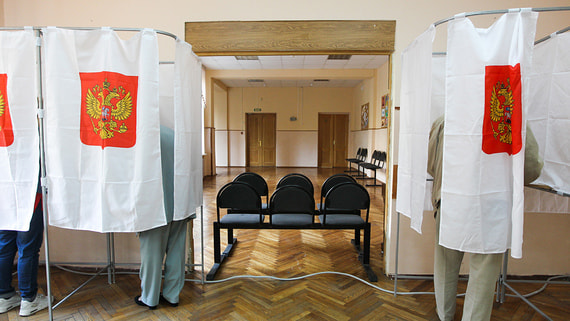
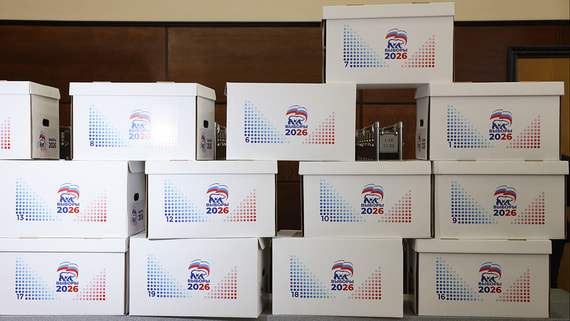
Russia’s Central Election Commission has certified documents for six out of eleven political forces participating in the upcoming State Duma elections, marking a critical milestone in the electoral process. However, the remaining parties face significant hurdles as they navigate the complex registration requirements that could determine whether they appear on the ballot. The registration phase represents one of the most challenging aspects of electoral participation in Russia, where strict procedural requirements can disqualify even well-established political organizations.
The Registration Process and Its Requirements
The registration of candidate lists with the Central Election Commission involves a meticulous verification process that examines multiple aspects of party documentation. Political parties must submit comprehensive lists of candidates, along with supporting documents that prove compliance with electoral legislation. This includes verification of candidate eligibility, proper completion of financial disclosure forms, and confirmation that all procedural deadlines have been met. The CEC conducts thorough reviews of each submission, and even minor technical errors can result in rejection or requests for corrections.
For parties that do not hold seats in the current State Duma, the requirements are particularly demanding. These organizations must either collect a substantial number of voter signatures in support of their candidate lists or pay a significant electoral deposit. The signature collection process has historically proven treacherous, as election officials scrutinize each signature for authenticity, proper formatting, and compliance with geographic distribution requirements. Studies of past elections have shown that signature invalidation rates can vary significantly, with opposition parties often facing higher rejection rates than their pro-government counterparts.
Historical Context of Electoral Barriers
The challenges facing political parties in the current registration cycle reflect broader patterns in Russia’s electoral history since the adoption of the current constitution in 1993. Over the decades, electoral legislation has undergone numerous amendments that have alternately tightened and loosened requirements for party registration and ballot access. The mixed electoral system, which combines single-mandate districts with proportional representation, creates additional complexity as parties must simultaneously manage candidate nominations across different electoral frameworks.
Parliamentary parties—those currently represented in the State Duma—enjoy significant advantages in the registration process, including exemption from signature collection requirements. This preferential treatment has contributed to the consolidation of Russia’s party system around a handful of established political forces. United Russia, the Communist Party, the Liberal Democratic Party, and A Just Russia have maintained their parliamentary presence through multiple electoral cycles, while newer parties and those without current representation face substantially higher barriers to entry.
Implications for Electoral Competition and Voter Choice
The registration difficulties encountered by smaller parties have significant implications for the overall competitiveness of Russian elections and the range of choices available to voters. When parties fail to complete registration successfully, their supporters are effectively disenfranchised, unable to vote for their preferred political platform. This dynamic has drawn criticism from international election observers and domestic civil society organizations, who argue that overly stringent registration requirements limit genuine political pluralism.
The Central Election Commission has defended its procedures as necessary safeguards against fraud and ensuring that only serious, viable political organizations appear on the ballot. Commission officials point to the need for accurate candidate information and verified support as essential elements of electoral integrity. Nevertheless, the disparity in treatment between established parliamentary parties and newcomers remains a contentious issue in Russian political discourse, with reform advocates calling for simplified procedures that would lower barriers to electoral participation while maintaining necessary quality controls.
Expert Opinion: The current registration phase will likely serve as a significant filter that shapes the final composition of parties competing in the State Duma elections. Parties that fail to secure certification may pursue legal appeals, but historical precedent suggests limited success rates for such challenges. The outcome of this registration process will ultimately determine whether Russian voters face a ballot with meaningful alternatives or one dominated by familiar established forces.