A series of drone attacks attributed to Ukrainian forces has targeted logistics facilities belonging to Wildberries, Russia’s largest online retailer, across multiple regions. The strikes have resulted in casualties and significant damage to infrastructure, marking an escalation in attacks on civilian commercial targets within Russian territory. These incidents highlight the expanding scope of the ongoing conflict and its growing impact on Russia’s domestic economy and daily life.
The attacks occurred overnight, with unmanned aerial vehicles striking warehouse facilities in several Russian regions simultaneously. Emergency services responded to fires and structural damage at multiple locations. According to regional authorities, the strikes resulted in fatalities and injuries among warehouse workers and security personnel. The exact casualty figures continue to be updated as rescue operations proceed and authorities assess the full extent of the damage.
Wildberries: Russia’s E-Commerce Giant Under Attack
Wildberries, founded in 2004 by Tatyana Bakalchuk, has grown to become the largest e-commerce platform in Russia and one of the biggest in Eastern Europe. The company operates an extensive network of warehouses and fulfillment centers across the country, processing millions of orders daily for over 100 million registered users. The marketplace model connects thousands of sellers with consumers, making it a critical component of Russia’s retail infrastructure. Any disruption to its logistics network has immediate ripple effects on both businesses and consumers who have come to rely on the platform for everyday purchases.
The targeting of commercial logistics facilities represents a significant development in the pattern of drone warfare that has characterized the conflict since 2022. While previous attacks have primarily focused on military installations, energy infrastructure, and oil refineries, strikes on retail warehouses signal a potential shift in strategy. Analysts suggest that targeting civilian commercial infrastructure aims to create economic pressure and disrupt normal life within Russia, though such tactics raise complex questions under international humanitarian law regarding the distinction between military and civilian targets.
Regional Impact and Emergency Response
Regional governors and emergency management officials have been coordinating response efforts across affected areas. Local authorities have implemented emergency protocols, including temporary closures of nearby facilities and enhanced security measures at critical infrastructure sites. The Russian Ministry of Emergency Situations has deployed additional resources to assist with firefighting and rescue operations. Meanwhile, affected regions have activated civil defense systems and issued warnings to residents about the ongoing drone threat.
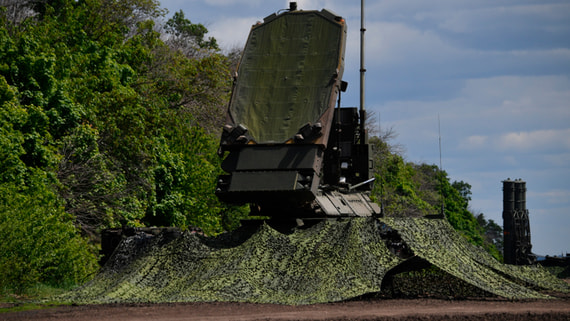
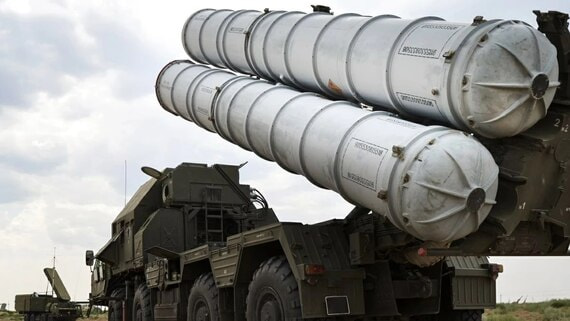
The attacks come amid an intensifying drone warfare campaign that has seen both sides employ increasingly sophisticated unmanned systems. Ukraine has developed a robust domestic drone production capability, supplementing imported systems with locally manufactured variants. Russia, in turn, has invested heavily in air defense systems and electronic warfare capabilities to counter the aerial threat. Despite these countermeasures, the sheer volume and variety of drone attacks have made comprehensive defense challenging, with some systems inevitably penetrating protective barriers.
Economic Implications and Business Continuity
The strikes on Wildberries facilities raise concerns about the vulnerability of Russia’s commercial infrastructure and the potential economic consequences of sustained attacks on logistics networks. E-commerce has become increasingly important to the Russian economy, particularly as international sanctions have complicated traditional retail supply chains. Disruptions to major platforms like Wildberries could affect millions of consumers and thousands of small businesses that depend on the marketplace for their livelihoods. The company has not yet issued an official statement regarding the extent of damage or expected recovery timeline.
Security experts note that protecting the vast network of warehouses, distribution centers, and transportation hubs that support modern commerce presents enormous challenges. The decentralized nature of drone attacks makes them particularly difficult to defend against, especially when launched in coordinated waves targeting multiple locations simultaneously. As the conflict continues, both military and civilian infrastructure remain vulnerable to these evolving threats, with implications that extend far beyond the immediate battlefield into the daily lives of ordinary citizens.
Expert Opinion: The targeting of major commercial logistics infrastructure like Wildberries warehouses represents a calculated escalation designed to impose economic costs and psychological pressure on the Russian civilian population. This shift toward striking e-commerce facilities suggests that future attacks may increasingly focus on disrupting everyday consumer services, potentially forcing Russia to divert significant resources toward protecting an impossibly vast array of civilian infrastructure while simultaneously managing military operations.