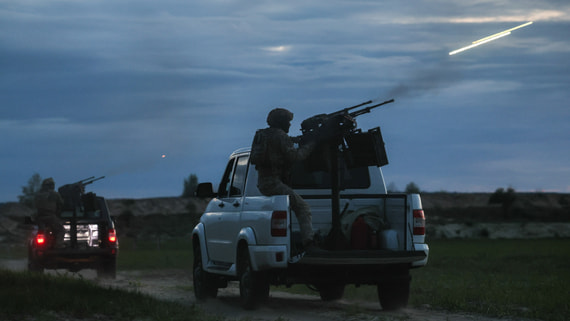
In the early hours of August 14, Ukraine launched a significant wave of drone strikes targeting multiple regions across Russia, resulting in fires and reported damage to critical infrastructure. The overnight attacks, which have become increasingly common in the ongoing conflict, struck locations in the Leningrad Oblast and the Tver region, causing widespread concern among local authorities and prompting emergency response teams to mobilize across several Russian territories. These strikes represent a continuation of Ukraine’s strategy to bring the war to Russian soil, targeting logistics hubs and infrastructure that support Moscow’s military operations.
Port Fire in Leningrad Oblast and Warehouse Damage Near Tver
One of the most significant incidents occurred at a port facility in the Leningrad Oblast, where a fire erupted following the drone attack. Emergency services were dispatched to contain the blaze, though details about the extent of the damage and potential casualties remained limited in initial reports. The Leningrad Oblast, which borders Finland and Estonia and houses the major city of St. Petersburg, has historically been considered relatively distant from the conflict zone, making strikes in this region particularly noteworthy from a strategic perspective.
Perhaps more significantly, debris from intercepted or malfunctioning drones reportedly fell on a Wildberries warehouse facility near Tver. Wildberries is Russia’s largest online retailer, often compared to Amazon in its scope and operations. The company operates massive distribution centers throughout Russia, and any disruption to its logistics network could have ripple effects on consumer goods distribution across the country. The Tver region, located approximately 170 kilometers northwest of Moscow, serves as an important transportation and logistics hub connecting the Russian capital with St. Petersburg.
Escalating Pattern of Long-Range Ukrainian Strikes
These attacks fit into a broader pattern of increasingly sophisticated Ukrainian drone operations targeting Russian territory. Since the beginning of 2024, Ukraine has significantly expanded its domestic drone production capabilities and has been systematically targeting Russian military installations, oil refineries, and logistics infrastructure. Military analysts note that these strikes serve multiple purposes: disrupting supply chains that feed the Russian war machine, demonstrating Ukraine’s ability to project power deep into Russian territory, and potentially affecting civilian morale within Russia.
The development of Ukraine’s long-range strike capabilities has been one of the most notable military developments of the conflict. Ukrainian defense companies have created drones capable of traveling hundreds of kilometers, allowing them to reach targets that were previously considered beyond Ukraine’s reach. These weapons, while not as precise or powerful as conventional missiles, are significantly cheaper to produce and can be deployed in large numbers, overwhelming air defense systems through sheer volume.
Russian Air Defense Challenges and Strategic Implications
The frequency of successful strikes raises questions about the effectiveness of Russian air defense systems. Despite Moscow’s claims of intercepting the majority of incoming drones, the continued reports of damage suggest that Ukrainian drones are finding gaps in Russia’s defensive coverage. Military experts point out that defending against small, low-flying drones presents unique challenges, as these aircraft can evade radar detection and are difficult to intercept with traditional surface-to-air missiles designed for larger targets.
The strategic implications of these continued attacks extend beyond immediate physical damage. Each successful strike on Russian territory undermines the Kremlin’s narrative of military invincibility and forces Russia to divert resources toward homeland defense rather than offensive operations in Ukraine. The psychological impact on Russian civilians, who are increasingly experiencing the direct effects of a conflict that state media has consistently portrayed as a limited “special military operation,” should not be underestimated. As these attacks continue, pressure on Russian authorities to provide better protection for critical infrastructure and civilian areas will likely intensify.
Expert Opinion: The August 14 strikes demonstrate Ukraine’s growing capability to sustain a long-range drone campaign against Russian infrastructure, a trend likely to accelerate as Ukrainian domestic production increases. These operations, while causing limited immediate military damage, create cumulative pressure on Russian logistics and force Moscow to spread air defense assets thin across a vast territory. Expect Ukraine to continue prioritizing strikes on energy infrastructure and logistics hubs as winter approaches, potentially creating significant disruptions to Russia’s war economy.