In one of the largest aerial attacks of the ongoing conflict, Ukrainian forces launched an unprecedented overnight assault on Russian territory on August 15, 2024. Russian air defense systems reportedly intercepted nearly 600 unmanned aerial vehicles across multiple regions, while at least one missile successfully struck an industrial facility near Samara. The attack also resulted in civilian casualties in the Moscow region, marking a significant escalation in Ukraine’s strategy of bringing the war to Russian soil.
Scale of the Attack and Russian Defense Response
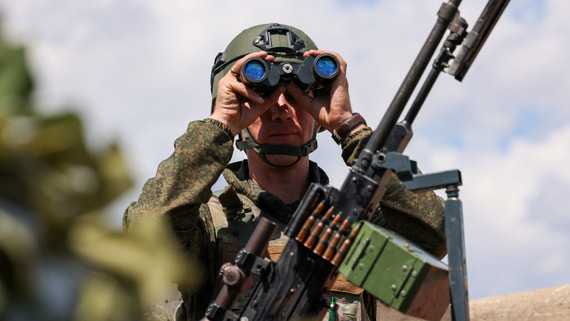
The sheer volume of drones deployed in this single night represents a dramatic increase in Ukraine’s offensive capabilities and strategic ambitions. Russian defense officials reported that air defense units worked throughout the night to neutralize the incoming threats, with interceptions occurring across a vast geographical area spanning from western border regions to deep within Russian territory. The number of drones involved — approaching 600 — suggests a coordinated, large-scale operation designed to overwhelm defensive systems and ensure some projectiles reached their intended targets.
Military analysts have noted that such mass drone attacks have become increasingly common as the war has progressed into its third year. Ukraine has developed indigenous drone production capabilities while also receiving support from Western allies, allowing for sustained pressure on Russian infrastructure. The strategy appears aimed at disrupting military logistics, damaging industrial capacity, and demonstrating that Russian territory is not immune from the consequences of the conflict.
Strikes on Samara Region Industrial Infrastructure
Perhaps the most significant impact of the overnight assault was a missile strike that successfully penetrated Russian defenses and hit an industrial enterprise in the Samara region. Located approximately 850 kilometers southeast of Moscow, Samara is a major industrial hub with significant aerospace and defense manufacturing facilities. While Russian authorities have not disclosed specific details about the targeted facility or the extent of damage, any successful strike on industrial infrastructure in this region carries potential implications for Russian military production capabilities.
The Samara region hosts several strategically important factories, including facilities that produce components for missiles and aircraft. Attacks on such targets align with Ukraine’s stated goal of degrading Russia’s ability to sustain its military operations. This strike follows a pattern of increasingly deep incursions into Russian territory, with Ukrainian forces demonstrating the ability to reach targets that were previously considered beyond their operational range.
Casualties Reported in Moscow Region
Adding to the severity of the night’s events, authorities confirmed that civilians were injured in the Moscow region as a result of the attack. The specific circumstances of these casualties — whether from drone fragments, debris from interceptions, or direct impacts — have not been fully clarified by Russian officials. However, any reports of civilian harm in areas so close to the Russian capital inevitably heighten political tensions and public anxiety.
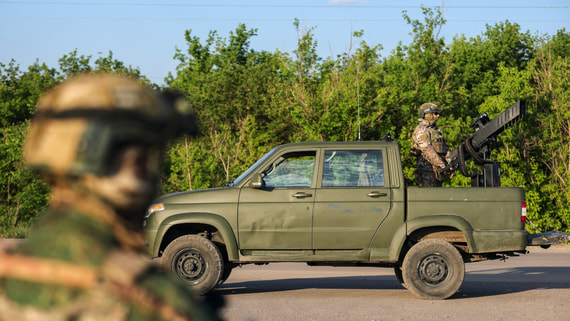
The Moscow region has experienced an increasing number of drone incursions over the past year, leading to temporary closures of airports and raising concerns among residents. Russian authorities have responded by deploying additional air defense assets around the capital and implementing new protocols for civilian safety during attacks. Nevertheless, the continued ability of Ukrainian drones to reach the Moscow area demonstrates the challenges facing Russian defensive systems when confronted with large-scale, distributed aerial assaults.
Strategic Implications and International Response
This large-scale attack represents a continuation of Ukraine’s evolving military doctrine, which increasingly emphasizes striking targets within Russia itself. Military experts suggest that such operations serve multiple purposes: degrading Russian military and industrial capacity, forcing Russia to divert resources to defensive operations, and demonstrating to both domestic and international audiences that Ukraine remains capable of taking the initiative despite ongoing challenges on the front lines. The international community continues to monitor these developments closely, with Western nations generally refraining from direct criticism of Ukrainian strikes on Russian territory while maintaining their military and economic support for Kyiv’s defense efforts.
Expert Opinion: The unprecedented scale of this drone assault signals a new phase in Ukrainian military strategy, one focused on sustained attrition of Russian industrial and military infrastructure. As Ukraine continues to expand its long-range strike capabilities, we can expect these deep penetration attacks to become more frequent and sophisticated, potentially forcing Russia to fundamentally reassess its air defense architecture and resource allocation priorities.