The ongoing conflict between Russia and Ukraine continues to escalate as both sides report significant military operations targeting strategic infrastructure. Russian military forces have announced strikes against Ukrainian port facilities and defense industry installations, while Ukrainian armed forces have conducted attacks on Russian regional territories. These developments mark another intense chapter in the conflict that has reshaped European security dynamics since February 2022.
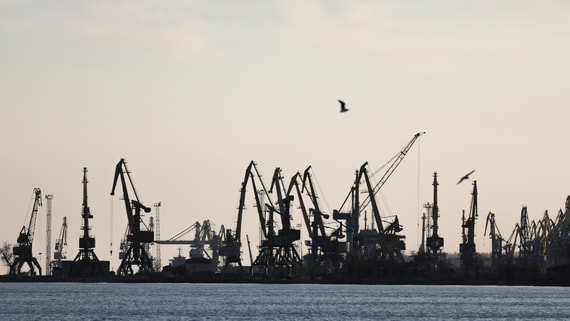
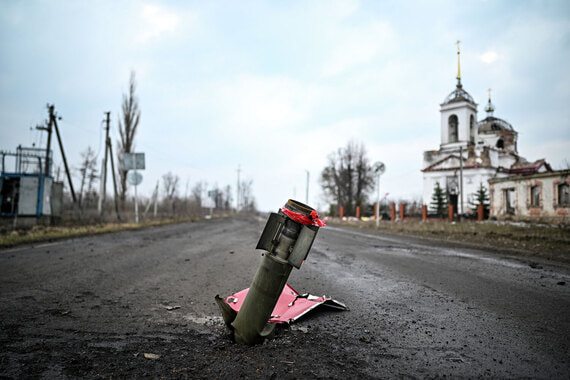
The Russian Ministry of Defense confirmed that its forces successfully struck port infrastructure facilities, which have been crucial for Ukraine’s grain export operations and military supply chains. Additionally, defense industry enterprises were targeted in what Moscow described as precision strikes aimed at degrading Ukraine’s military production capabilities. These attacks come as part of Russia’s broader strategy to weaken Ukraine’s logistical networks and industrial base that supports its war effort.
Strategic Importance of Port and Industrial Targets
Ukraine’s port infrastructure holds immense strategic value, serving as vital arteries for both civilian commerce and military logistics. The Black Sea ports, particularly those in the Odesa region, have been essential for exporting Ukrainian agricultural products under the grain deal arrangements and for receiving military aid from Western allies. Russian strikes on these facilities aim to disrupt these supply lines and limit Ukraine’s economic resilience during the prolonged conflict.
The targeting of defense industry facilities represents another critical dimension of the air campaign. Ukraine has been working to rebuild and expand its domestic weapons production capacity, reducing dependence on foreign military aid. These industrial sites produce everything from ammunition and drones to armored vehicles, making them high-priority targets for Russian military planners seeking to attrit Ukraine’s ability to sustain offensive and defensive operations.
Ukrainian Counter-Operations Against Russian Territory
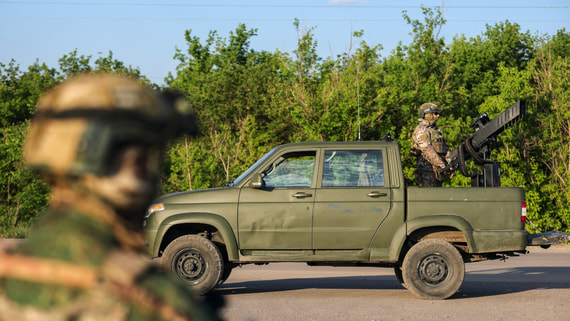
In response to Russian aggression, Ukrainian forces have increasingly conducted strikes deep into Russian territory. These operations target military installations, fuel depots, airfields, and infrastructure supporting Russian military operations. The attacks utilize a combination of long-range drones, some domestically produced, and missiles to reach targets hundreds of kilometers from the front lines. Russian border regions including Belgorod, Kursk, Bryansk, and Voronezh have reported numerous incidents of Ukrainian strikes over recent months.
These cross-border operations serve multiple purposes for Ukraine’s military strategy. They force Russia to divert air defense resources away from the front lines, disrupt logistics and supply chains feeding the invasion force, and demonstrate Ukraine’s capability to strike back despite being on the defensive in many areas. The psychological impact on Russian civilian populations in affected regions has also created domestic political pressure, though its effect on Russian policy remains debated among analysts.
International Response and Humanitarian Concerns
The international community continues to monitor the escalating exchange of strikes with growing concern. Western nations have maintained their support for Ukraine while urging adherence to international humanitarian law from both parties. The targeting of civilian infrastructure, including ports vital for grain exports, raises particular concerns given the global food security implications. The United Nations and various humanitarian organizations have repeatedly called for the protection of civilian facilities and safe passage for commercial shipping.
Military analysts note that the current pattern of strikes and counter-strikes reflects a conflict increasingly characterized by long-range precision attacks rather than purely ground-based territorial advances. Both sides have invested heavily in drone technology and missile capabilities, transforming the nature of modern warfare in ways that will likely influence military doctrine globally for decades to come. As the conflict approaches its third year, the infrastructure war appears set to intensify as each side seeks strategic advantages through degradation of the other’s military and economic capabilities.
Expert Opinion: The intensification of infrastructure targeting by both sides indicates a shift toward a prolonged attritional conflict where economic and industrial resilience will be decisive factors. Military strategists anticipate that this pattern of reciprocal deep strikes will continue throughout 2025, with neither side likely to achieve a decisive breakthrough without significant changes in the military or diplomatic landscape. The ultimate outcome may depend more on industrial production capacity and international support sustainability than on battlefield maneuvers alone.