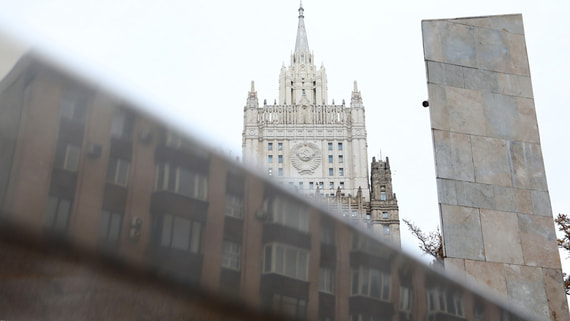
The Russian Ministry of Foreign Affairs has issued a formal demand to both the United States and Turkey, requesting detailed explanations regarding their potential plans to supply weapons to Ukraine. Moscow has warned that any such deliveries would inevitably cause significant damage to bilateral relations with both nations. This diplomatic escalation comes amid heightened tensions in the region and reflects Russia’s growing concerns about Western military support flowing to Kyiv.
The statement from the Russian Foreign Ministry underscores the Kremlin’s increasingly assertive stance on what it perceives as external interference in its sphere of influence. Russian officials have consistently characterized Western arms supplies to Ukraine as a destabilizing factor that prolongs conflict and threatens regional security. The inclusion of Turkey in this diplomatic warning is particularly noteworthy, given Ankara’s complex relationship with Moscow that spans both cooperation and competition across multiple geopolitical theaters.
Historical Context of Western Military Aid to Ukraine
Western military assistance to Ukraine has been a contentious issue since 2014, when Russia annexed Crimea and conflict erupted in eastern Ukraine’s Donbas region. The United States has been the largest single provider of military aid to Kyiv, delivering billions of dollars worth of equipment including advanced anti-tank missiles, air defense systems, and artillery. This support dramatically increased following major escalations in the conflict, transforming Ukraine’s military capabilities and its ability to defend its territory.
Turkey occupies a unique position in this geopolitical equation. As a NATO member with significant economic and strategic ties to Russia, Ankara has attempted to balance its relationships with both Moscow and Kyiv. Turkey has previously supplied Ukraine with Bayraktar TB2 combat drones, which proved highly effective in combat operations. However, Turkey has also maintained dialogue with Russia on issues ranging from energy cooperation through the TurkStream pipeline to coordination in Syria, making its position particularly delicate.
Implications for International Relations
The Russian demand for explanations signals a potential hardening of Moscow’s diplomatic approach toward nations supporting Ukraine militarily. Analysts suggest that Russia may be preparing to implement retaliatory measures should weapons deliveries continue or expand. Such measures could include economic sanctions, restrictions on trade, or the suspension of various bilateral agreements. For Turkey specifically, this could affect lucrative tourism revenues, energy partnerships, and agricultural trade that have benefited the Turkish economy.
The timing of Russia’s diplomatic pressure is significant, coming as various international efforts to negotiate peace continue. Moscow has repeatedly stated that Western arms supplies complicate any potential diplomatic resolution and embolden Ukrainian leadership to reject compromise. Western nations, conversely, argue that military support is essential to ensuring Ukraine can negotiate from a position of strength and defend its sovereignty against aggression.
Turkey’s Balancing Act Between East and West
Turkey’s role in this situation exemplifies the challenges faced by nations attempting to maintain relationships with competing powers. President Recep Tayyip Erdogan has sought to position Turkey as a potential mediator while simultaneously supporting Ukraine’s territorial integrity. Ankara has refused to recognize Russia’s annexation of Crimea and has provided military equipment to Kyiv, yet it has also declined to join Western sanctions against Moscow. This balancing act has drawn criticism from both sides but has also preserved Turkey’s ability to engage diplomatically with all parties.
The Russian warning to Ankara could force Turkey to make difficult choices about its foreign policy priorities. With its economy facing challenges including high inflation and currency depreciation, Turkey cannot easily afford to lose access to Russian energy supplies or tourist revenues. However, its NATO membership and aspirations for closer European Union ties create pressure to align more closely with Western positions on Ukraine. How Turkey navigates this diplomatic minefield will likely have lasting implications for its relationships with both Russia and the Western alliance.
Expert Opinion: Russia’s simultaneous diplomatic pressure on both the United States and Turkey represents a strategic attempt to fracture the coalition supporting Ukraine by targeting its most complex relationship — that with Ankara. While Washington is unlikely to alter its course based on Russian demands, Turkey’s unique vulnerabilities may make it more susceptible to such pressure, potentially creating divisions within the Western alliance that Moscow could exploit in future negotiations.