Russian air defense forces intercepted 375 Ukrainian drones during the night in what officials describe as one of the largest coordinated unmanned aerial vehicle attacks on Russian territory. The widespread assault targeted multiple regions across western and southern Russia, resulting in casualties and damage to civilian infrastructure. This latest wave of strikes underscores the escalating nature of the conflict and the increasing sophistication of drone warfare tactics being employed by both sides in the ongoing military confrontation.
Scale and Scope of the Overnight Attacks
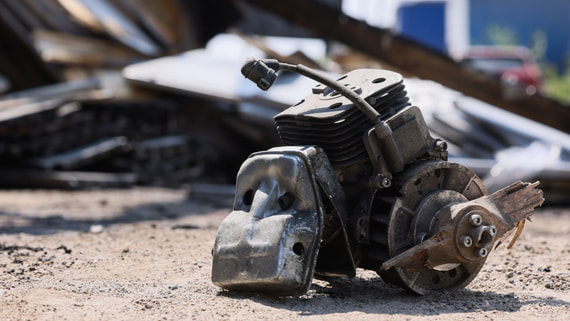
According to official statements from the Russian Ministry of Defense, air defense systems were activated across numerous regions as waves of Ukrainian unmanned aerial vehicles attempted to penetrate Russian airspace. The defense ministry reported that interceptors successfully neutralized the majority of incoming drones, though some managed to reach their intended targets before being destroyed. Reports from regional governors indicated that residential areas, energy infrastructure, and industrial facilities were among the targets. Emergency services were deployed to multiple locations to address fires and structural damage caused by drone impacts and falling debris.
The attack represents a significant escalation in the use of long-range strike capabilities by Ukrainian forces, which have increasingly relied on domestically produced and modified drones to strike targets deep within Russian territory. Military analysts note that such large-scale coordinated attacks require substantial planning and resources, suggesting an evolution in Ukraine’s strategic approach to the conflict. The drone swarm tactics employed in this attack are designed to overwhelm air defense systems by presenting multiple simultaneous targets, making complete interception extremely challenging.
Casualties and Regional Impact Assessment
Tragically, the overnight attacks resulted in fatalities and injuries among the civilian population. Regional authorities confirmed deaths in several affected areas, while hospitals received patients with injuries ranging from minor to critical. Governor reports from border regions indicated that residential buildings sustained significant damage, with some structures partially collapsed due to direct impacts or secondary explosions. Power outages were reported in certain districts as energy infrastructure came under attack, affecting thousands of residents and disrupting essential services.
The psychological impact on civilian populations in frequently targeted regions continues to mount as drone attacks have become an almost nightly occurrence in some areas. Local authorities have reinforced shelter protocols and increased civil defense readiness, though the persistent nature of the attacks has strained emergency response resources. Schools and businesses in the most affected regions have implemented modified schedules to account for nighttime disruptions, reflecting the new reality faced by communities near the conflict zone.
Evolution of Drone Warfare in the Conflict
The extensive use of unmanned aerial vehicles in this conflict has fundamentally transformed modern warfare doctrine. Since the beginning of hostilities, both Ukrainian and Russian forces have deployed various types of drones for reconnaissance, strike missions, and psychological operations. Ukraine has developed an indigenous drone production capability, manufacturing thousands of long-range UAVs monthly, while also receiving systems from international partners. These weapons range from small commercial drones modified for combat to sophisticated cruise-type missiles capable of traveling hundreds of kilometers to reach strategic targets.
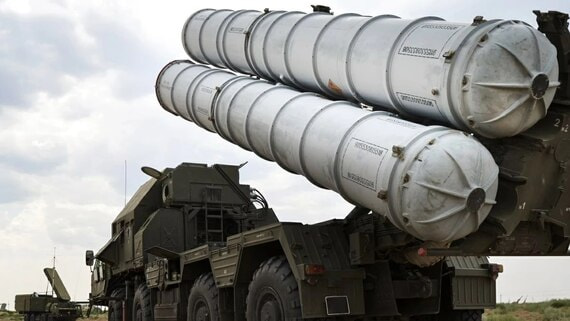
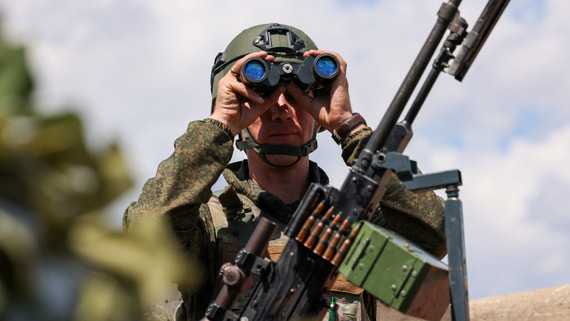
Russia has responded by significantly expanding its air defense network, deploying additional systems around critical infrastructure and population centers. The cat-and-mouse dynamic between offensive drone capabilities and defensive countermeasures continues to evolve, with both sides adapting their tactics and technologies. Electronic warfare systems designed to jam drone communications and GPS guidance have been deployed alongside traditional kinetic interceptors, creating layered defense networks. However, the sheer volume of attacks, combined with increasingly sophisticated evasion techniques, means that achieving complete protection remains an elusive goal for defenders.
Expert Opinion: The unprecedented scale of these drone attacks signals a new phase in the conflict where attrition of air defense resources becomes a strategic objective itself. As Ukraine continues to expand its domestic UAV production capabilities, we can expect even larger coordinated strikes designed to identify and exploit gaps in Russian defensive coverage. The long-term implications suggest both nations will accelerate investments in autonomous defense systems and counter-drone technologies, potentially reshaping military procurement priorities for years to come.