Russian authorities have issued warnings about potential restrictions on cargo transportation through the Azov Sea following a series of attacks attributed to Ukrainian armed forces. The escalating tensions in this strategic waterway have raised serious concerns about the future of maritime commerce in the region, affecting supply chains and international trade routes that have historically connected Russia’s southern territories with global markets.
The Azov Sea, a shallow body of water connected to the Black Sea through the Kerch Strait, has become an increasingly contested zone since the beginning of the armed conflict between Russia and Ukraine in 2022. Both nations share coastlines along this inland sea, making it a natural flashpoint for military activity. The recent attacks have prompted immediate security assessments and contingency planning among Russian transport authorities.
Strategic Importance of the Azov Sea
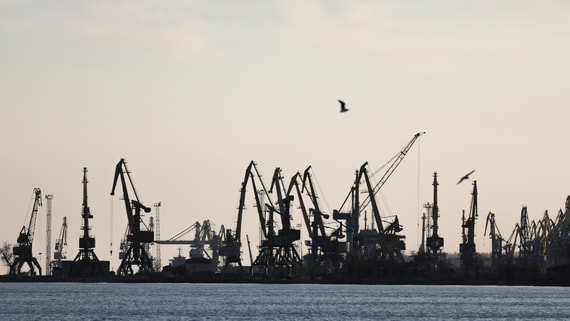
The Azov Sea holds immense strategic and economic significance for the surrounding region. Covering approximately 39,000 square kilometers, it serves as a vital transportation corridor for agricultural exports, industrial goods, and energy resources. The ports of Mariupol, Berdyansk, Taganrog, and Rostov-on-Don have historically handled millions of tons of cargo annually, including grain, steel, coal, and petroleum products. Any disruption to shipping in these waters could have far-reaching consequences for regional economies and global commodity markets.
Historically, the Azov Sea has been a point of contention between Russia and Ukraine, with disputes over navigation rights and territorial waters predating the current conflict. The 2018 Kerch Strait incident, when Russian forces seized three Ukrainian naval vessels, highlighted the strategic importance of controlling access to these waters. The construction of the Crimean Bridge, which spans the Kerch Strait, further complicated maritime navigation and symbolized the geopolitical tensions in the region.
Impact on Commercial Shipping and Trade
The potential restrictions on cargo transportation could significantly impact both regional and international trade. Before the conflict, Ukraine’s Azov Sea ports were major exporters of grain and steel, while Russian ports in the region facilitated substantial agricultural and industrial exports. Industry analysts suggest that any prolonged disruption could lead to increased shipping insurance costs, longer alternative routes, and delays in delivery schedules. These factors would inevitably translate to higher prices for consumers and reduced competitiveness for regional producers.
Shipping companies operating in the region have already begun implementing enhanced security protocols and adjusting their routes in response to the heightened risk environment. Some vessels have been diverted to alternative ports, while others have suspended operations altogether pending further assessments. The maritime insurance industry has responded by increasing premiums for vessels operating in the Azov and Black Sea regions, reflecting the elevated risk profile of these waters.
Security Measures and Future Outlook
Russian authorities have indicated that comprehensive security measures are being evaluated to protect maritime infrastructure and ensure the safety of commercial vessels. These measures may include enhanced naval patrols, restricted navigation zones, and mandatory convoy systems for cargo ships. The implementation of such protocols would inevitably slow down shipping operations and increase operational costs for transport companies.
International observers and shipping industry experts are closely monitoring the situation, as developments in the Azov Sea have implications beyond the immediate region. The disruption of traditional shipping routes could affect global supply chains, particularly for agricultural commodities. Countries dependent on grain exports from the region may need to seek alternative suppliers, potentially driving up prices in international markets. The situation remains fluid, with authorities promising regular updates as security assessments continue and new measures are implemented to address the evolving threat landscape.
Expert Opinion: The escalation of military activity in the Azov Sea signals a new phase in the ongoing conflict that could reshape regional maritime commerce for years to come. Given the strategic importance of this waterway for both agricultural exports and industrial supply chains, we can expect significant investment in alternative logistics corridors, including expanded rail capacity and the development of ports on the Caspian Sea. The long-term consequence may be a permanent restructuring of trade routes in the region, with lasting implications for global commodity markets.