The Russian Investigative Committee has released updated figures regarding the Ukrainian Armed Forces’ incursion into Russia’s Kursk region, reporting that 640 civilians have been killed since the cross-border operation began in August 2024. According to official Russian statements, the material damage from the military operation has reached approximately 505 billion rubles, equivalent to roughly $5.5 billion USD at current exchange rates. These figures represent the latest official assessment from Russian authorities regarding what has become one of the most significant territorial incursions into Russian soil since World War II.
The Ukrainian military operation into the Kursk region, which began in early August 2024, marked an unprecedented escalation in the ongoing conflict between the two nations. Ukrainian forces crossed into Russian territory in a surprise offensive that caught many military analysts off guard, as it represented a strategic shift from defensive operations within Ukraine to direct military action on Russian soil. The incursion resulted in Ukrainian forces temporarily controlling several hundred square kilometers of Russian territory, forcing the evacuation of tens of thousands of Russian civilians from border communities.
Background and Strategic Context of the Kursk Incursion
The Kursk region holds particular historical significance in Russian military history, as it was the site of the famous Battle of Kursk in 1943, one of the largest tank battles in history and a turning point in World War II. The modern incursion into this same region has been perceived by many in Russia as both a military and symbolic challenge. Military experts have noted that Ukraine’s decision to launch an offensive into Russian territory represented a calculated risk aimed at potentially drawing Russian forces away from other front lines in eastern Ukraine and demonstrating that the conflict could directly affect Russian civilians and infrastructure.
The humanitarian impact of the incursion has been substantial on both sides of the conflict. Russian authorities have organized mass evacuations from affected areas, with reports indicating that over 150,000 residents have been displaced from their homes in the Kursk region since the operation began. Emergency shelters, temporary housing, and humanitarian aid distribution centers have been established across neighboring regions to accommodate the displaced population. The Russian government has pledged financial compensation and support for affected families, though the scale of displacement has strained regional resources.
Infrastructure Damage and Economic Impact Assessment
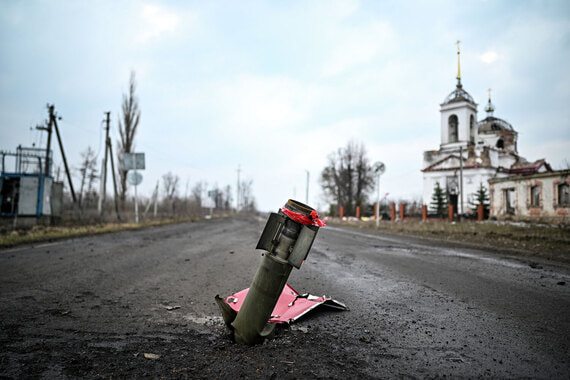
The reported 505 billion rubles in damages encompasses destruction to residential buildings, industrial facilities, agricultural infrastructure, and critical utilities. The Kursk region is an important agricultural area in Russia, and the conflict has disrupted farming operations during crucial harvest seasons. Energy infrastructure, including power lines and substations, has reportedly suffered significant damage, leading to prolonged outages in affected areas. Roads, bridges, and communication networks have also been impacted, complicating both civilian evacuation efforts and military logistics.
International observers and analysts have noted the difficulty in independently verifying casualty and damage figures provided by either side in the conflict. Both Russian and Ukrainian authorities have historically presented statistics that support their respective narratives, making objective assessment challenging. Independent humanitarian organizations have had limited access to the conflict zone, further complicating efforts to establish accurate figures. What remains clear is that the civilian population in the border region has borne significant hardship, regardless of the precise numbers.
Ongoing Military Situation and Future Implications
Russian forces have conducted counter-offensive operations aimed at pushing Ukrainian troops out of the Kursk region, with varying degrees of reported success. The military situation in the area has remained fluid, with both sides claiming tactical victories while the overall strategic picture continues to evolve. The incursion has prompted discussions within Russia about border security measures and military resource allocation, as defending national territory has become a pressing concern alongside ongoing operations in Ukraine. International observers continue to monitor the situation closely, as developments in the Kursk region may influence the broader trajectory of the conflict and any future diplomatic negotiations between the parties involved.
Expert Opinion: The Kursk incursion represents a significant psychological and strategic milestone in the Russia-Ukraine conflict, demonstrating Ukraine’s capability to project force beyond its borders while simultaneously creating a humanitarian crisis in Russian territory. The long-term implications may include increased Russian domestic pressure for enhanced border defenses and potentially altered negotiating positions for both parties in any future peace discussions.