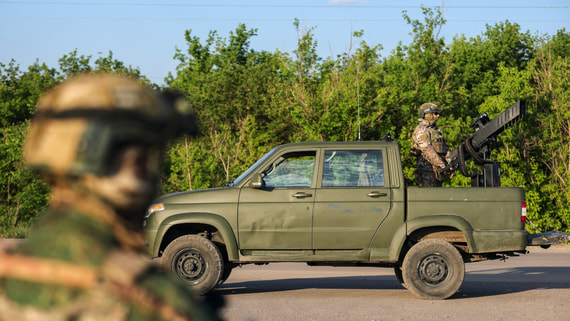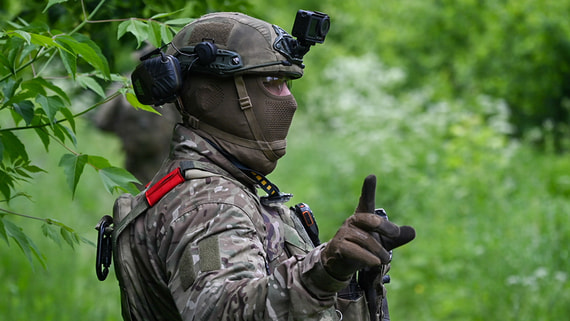
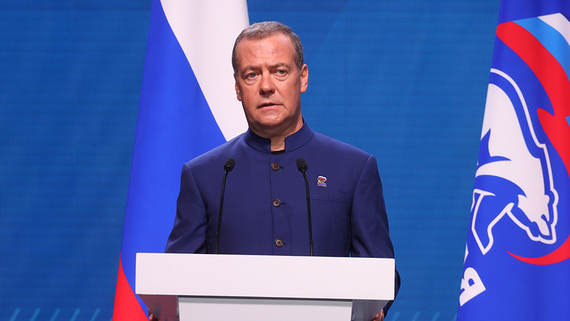
Deputy Chairman of Russia’s Security Council Dmitry Medvedev has announced that the Russian Armed Forces have successfully recruited 200,000 contract soldiers over the past six months, effectively meeting the military’s current personnel requirements. The former Russian president made these statements while addressing ongoing speculation about a potential new wave of mobilization, which he firmly dismissed as unfounded. This recruitment achievement comes as Russia continues its military operation in Ukraine, now entering its third year with no clear end in sight.
Key Takeaways
- Russia claims 200,000 contract soldiers signed in six months, averaging roughly 33,000 monthly recruits through financial incentives and regional bonuses.
- Dmitry Medvedev explicitly denied plans for another mobilization, addressing persistent public anxiety since the unpopular 2022 partial conscription.
- The Kremlin’s reliance on volunteers reflects political calculations after the 2022 mobilization triggered mass emigration and exposed systemic recruitment failures.
- Western analysts question whether Russia can sustain competitive military salaries amid sanctions pressure and mounting casualties over the long term.
Six-Month Recruitment Drive Yields 200,000 Volunteers
The recruitment figures announced by Medvedev represent a significant achievement for Russia’s military recruitment apparatus. Averaging approximately 33,000 new contract soldiers per month, these numbers suggest that financial incentives and patriotic appeals have proven effective in attracting volunteers to military service. Contract soldiers in Russia typically receive substantially higher salaries than the average civilian wage, with signing bonuses and regional supplements that can amount to several million rubles. Many recruits come from economically disadvantaged regions where military service offers financial stability that civilian employment cannot match.
The Russian government has steadily increased military compensation packages since the beginning of the conflict in Ukraine. Regional authorities have competed to offer the most attractive signing bonuses, with some areas promising the equivalent of several years’ average salary for signing a military contract. Additionally, benefits for families of servicemen, including housing assistance, educational opportunities for children, and healthcare provisions, have made military service an increasingly attractive option for many Russian citizens facing economic uncertainty.
Medvedev Rules Out New Mobilization Wave
Perhaps more significant than the recruitment numbers was Medvedev’s categorical denial of any plans for a new mobilization wave. Since the partial mobilization announced in September 2022, which officially called up 300,000 reservists, Russian society has remained anxious about the possibility of further conscription measures. That initial mobilization triggered a significant exodus of military-age men from Russia, with estimates suggesting hundreds of thousands fled to neighboring countries including Georgia, Kazakhstan, Armenia, and Mongolia to avoid potential service.
Medvedev’s assurances appear designed to calm public concerns and maintain social stability. The 2022 mobilization proved deeply unpopular and exposed significant organizational problems within the Russian military recruitment system, including the conscription of individuals who should have been exempt due to age, health conditions, or occupational status. The political cost of that mobilization was substantial, and Russian authorities have since emphasized their preference for voluntary recruitment over compulsory measures.
Sustainability Questions Loom Over Volunteer Model
Military analysts note that maintaining adequate troop levels has been one of Russia’s persistent challenges throughout the conflict. The emphasis on contract soldiers rather than conscripts reflects both practical and political considerations. Contract soldiers typically receive more extensive training and demonstrate higher motivation than conscripts, potentially improving combat effectiveness. Politically, relying on volunteers helps the Kremlin maintain the narrative that the military operation enjoys broad public support while avoiding the domestic backlash associated with forced conscription.
However, some Western military experts remain skeptical about the sustainability of Russia’s current recruitment approach. As casualties mount and the conflict continues, maintaining a steady flow of volunteers may become increasingly difficult. The financial burden of competitive military salaries also places strain on the Russian federal budget, which has already been significantly impacted by Western sanctions and reduced energy revenues. Whether the current recruitment model can sustain Russia’s military needs over the long term remains an open question that will likely influence the trajectory of the conflict.
Balancing Military Needs Against Political Risks
Moscow’s public emphasis on voluntary recruitment reveals a government still haunted by the September 2022 mobilization debacle. That episode saw hundreds of thousands of military-age men flee to Georgia, Kazakhstan, and other neighboring states, while reports of exemption violations sparked rare public criticism. The Kremlin appears unwilling to risk a repeat, even as the Ukraine conflict grinds into its third year.
The financial architecture underpinning this recruitment model carries its own vulnerabilities. Competitive signing bonuses and salaries strain a federal budget already squeezed by sanctions and energy revenue losses. Economically disadvantaged regions provide a reliable recruiting pool for now, but this dynamic essentially means Russia is trading fiscal sustainability for domestic political stability.
For observers tracking the conflict’s trajectory, the recruitment numbers matter less than what they signal about constraints on Russian decision-making. A government confident in its military position would not need to so emphatically deny mobilization plans. The question is whether volunteer recruitment can genuinely sustain force levels, or whether Moscow is simply deferring a politically costly decision.
Common Questions
Why is Russia avoiding another mobilization?
The September 2022 partial mobilization proved deeply unpopular, triggering mass emigration and exposing organizational failures including wrongful conscription of exempt individuals. Russian authorities appear to view the political costs as too high to repeat, prioritizing domestic stability over rapid force expansion.
How much are Russian contract soldiers paid?
Contract soldiers receive salaries substantially above average civilian wages, with signing bonuses and regional supplements potentially totaling several million rubles. Regional authorities have competed to offer attractive packages, with some bonuses reportedly equivalent to several years of typical civilian earnings.
Can Russia maintain volunteer recruitment long-term?
Analysts express skepticism about sustainability. Mounting casualties make recruitment harder over time, while competitive military compensation strains a budget already affected by Western sanctions. The model’s viability likely depends on Russia’s economic resilience and the conflict’s duration.
Expert Opinion: The announced recruitment figures, while impressive on paper, should be viewed with cautious skepticism given the opacity of Russian military statistics. The emphasis on voluntary recruitment suggests the Kremlin remains acutely aware of the political risks associated with another mobilization wave, indicating that domestic stability concerns continue to constrain Russia’s military options. Moving forward, the sustainability of this recruitment model will depend heavily on Russia’s economic capacity to maintain attractive compensation packages amid ongoing sanctions pressure.