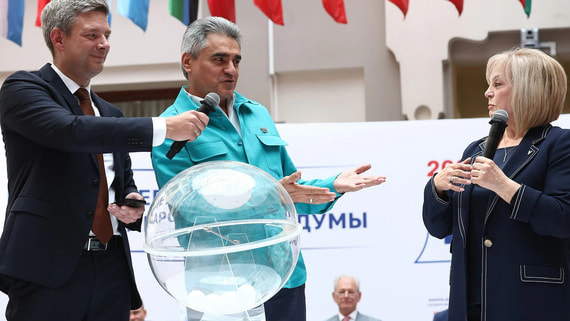
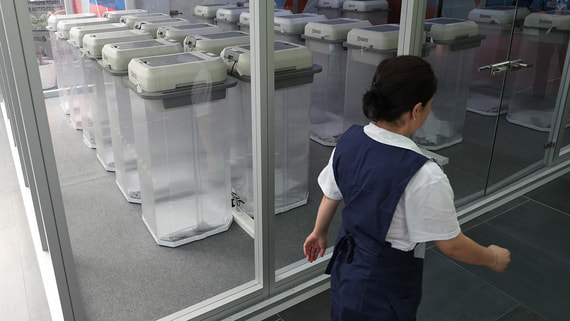
As Russia prepares for its upcoming State Duma elections, political parties represented in the lower house of parliament have intensified their efforts to train election observers. This systematic preparation represents a crucial component of the electoral process, with experts noting that observer presence serves as one of the primary tools for monitoring and verifying election results. The training programs vary significantly between parties in scope, methodology, and the resources allocated to this critical democratic function.
The Role and Importance of Election Observers
Election observers play a fundamental role in ensuring the transparency and legitimacy of the voting process. In Russia’s electoral system, observers have the legal right to be present at polling stations throughout the entire voting period, monitor the ballot counting process, and file complaints about any irregularities they witness. This observer institution has deep roots in Russian electoral practice, having evolved significantly since the early 1990s when competitive elections were first introduced in the post-Soviet era. The presence of trained observers can serve as a deterrent against potential violations and provides parties with independent verification of official results.
The major parliamentary parties, including United Russia, the Communist Party of the Russian Federation (CPRF), the Liberal Democratic Party of Russia (LDPR), and A Just Russia, each maintain their own observer training programs. These programs typically cover election law fundamentals, proper documentation procedures, protocols for reporting violations, and the rights and responsibilities of observers at polling stations. The scale of these operations is substantial, as Russia has approximately 97,000 polling stations across its vast territory, requiring tens of thousands of trained observers to achieve meaningful coverage.
Training Methodologies and Party Approaches
Different political parties have adopted varying approaches to observer preparation. United Russia, as the ruling party with the most substantial resources, typically conducts the most extensive training programs through its regional branches. The party often utilizes modern educational technologies, including online courses and interactive seminars, to reach potential observers across Russia’s eleven time zones. The Communist Party traditionally relies on its established network of regional organizations and experienced activists who have participated in multiple election cycles, creating a mentorship system where veteran observers train newcomers.
Smaller parliamentary parties face greater challenges in recruiting and training sufficient numbers of observers to cover all polling stations. The LDPR and A Just Russia often focus their observer deployment on key urban centers and swing regions where their monitoring presence can have the greatest impact. Some parties have also developed partnerships with non-governmental organizations and civic groups to supplement their observer corps. Expert analysts note that the quality and coverage of party observation networks often correlates directly with electoral performance, as parties with stronger ground-level monitoring tend to report more accurate assessments of their actual support.
Challenges and Future Perspectives
Despite the importance of election observation, parties face numerous challenges in implementing effective monitoring. Recruiting sufficient volunteers remains a persistent difficulty, particularly in rural areas where polling stations may be widely dispersed. The introduction of multi-day voting and remote electronic voting in recent years has also complicated observer tasks, requiring longer shifts and new technical competencies. Financial constraints limit the ability of opposition parties to match the ruling party’s observer coverage, potentially creating asymmetries in monitoring capacity.
Looking ahead, experts suggest that the quality of election observation will continue to be a significant factor in public perceptions of electoral legitimacy. International observers have noted both improvements in certain technical aspects of Russian elections and ongoing concerns about the broader political environment. As digital technologies increasingly influence electoral processes, parties will need to adapt their training programs to address new challenges such as monitoring electronic voting systems and combating disinformation. The ongoing development of observer training programs reflects the broader evolution of Russia’s electoral system and the continuing efforts of political parties to ensure their interests are protected at the ballot box.
Expert Opinion: The systematic training of election observers by parliamentary parties reflects a maturing, albeit contested, electoral infrastructure in Russia. The disparity in resources between ruling and opposition parties creates an uneven playing field that could affect the credibility of monitoring efforts. Moving forward, the integration of digital monitoring tools and standardized training protocols across all parties will be essential for maintaining public trust in electoral outcomes.