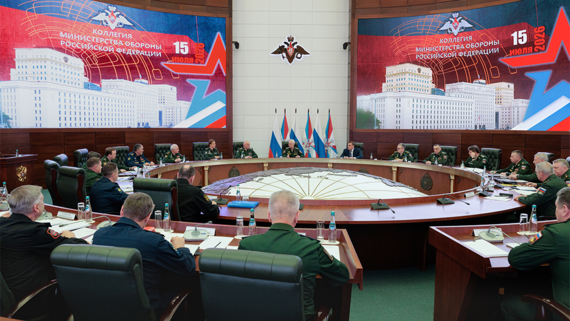
The Russian Defense Ministry recently convened a significant board meeting to address critical aspects of the country’s military development and strategic planning. The session brought together top military officials and defense leadership to discuss the annual operational plan, ongoing modernization efforts of the Armed Forces, the expansion of unmanned aerial vehicle capabilities, and the integration of cutting-edge military technology. This gathering reflects Russia’s continued focus on strengthening its defense posture amid evolving global security challenges and the ongoing conflict in Ukraine, which has fundamentally reshaped military priorities and accelerated technological development across multiple domains.
Key Takeaways
- Board meeting reviewed annual defense plans, resource allocation, and strategic priorities shaped by lessons from ongoing combat operations in Ukraine
- Modernization programs span ground forces, aerospace, naval assets, and strategic missile troops, with accelerated production despite sanctions pressure
- Drone warfare development prioritized with plans for expanded production, dedicated units, counter-drone systems, and specialized operator training
- Advanced technology integration includes hypersonic weapons already in service, AI applications for targeting, and next-generation electronic warfare systems
- Defense industrial base has expanded significantly with new facilities and import substitution strategies to address component shortages
2024 Defense Planning and Operational Priorities
The board meeting dedicated substantial attention to reviewing and approving the annual defense plan, which outlines operational objectives, resource allocation, and strategic priorities for the Russian Armed Forces. Defense planners presented comprehensive assessments of current military capabilities and identified areas requiring immediate attention and long-term investment. The annual planning process has become increasingly complex in recent years, as Russia navigates unprecedented military commitments while simultaneously pursuing ambitious modernization goals. Military analysts note that Russian defense planning has undergone significant transformation since 2022, with greater emphasis placed on combat readiness, rapid deployment capabilities, and adaptive response mechanisms. The board reportedly examined lessons learned from recent combat operations, incorporating battlefield feedback into future planning cycles to enhance operational effectiveness and address identified shortcomings in equipment, training, and logistics.
Historical context reveals that Russian defense planning has evolved considerably since the Soviet era, transitioning from mass mobilization doctrines to more flexible, technology-driven approaches. The current planning framework emphasizes integration between conventional forces, strategic deterrence assets, and emerging capabilities such as cyber warfare and electronic combat systems. Budget considerations also featured prominently in discussions, as the defense ministry works to balance ambitious modernization programs with fiscal realities and competing national priorities.
Ongoing Armed Forces Modernization Programs
A central focus of the board meeting involved comprehensive discussions on the ongoing modernization of Russia’s Armed Forces, a multi-decade effort aimed at transforming the military into a more capable, technologically advanced fighting force. The modernization program encompasses virtually every branch of service, including ground forces, aerospace forces, naval assets, and strategic missile troops. Officials reportedly presented updates on key procurement programs, including next-generation combat vehicles, advanced fighter aircraft, modernized naval vessels, and upgraded command and control systems. The modernization drive has accelerated significantly in response to combat requirements, with particular emphasis on rapidly fielding proven technologies while continuing development of more advanced systems.
Defense industry representatives provided briefings on production capacity and supply chain resilience, addressing challenges related to component availability and manufacturing scalability. The Russian defense industrial base has undergone substantial expansion and reorganization to meet increased demand, with new production facilities coming online and existing plants operating at heightened capacity. International sanctions have complicated certain aspects of modernization, prompting increased emphasis on domestic production capabilities and import substitution strategies. The board examined progress on developing indigenous alternatives to previously imported components, particularly in areas such as microelectronics, precision manufacturing, and specialized materials.
Unmanned Systems and Drone Warfare Expansion
Perhaps the most forward-looking segment of the board meeting addressed the development and expansion of unmanned combat capabilities, reflecting the transformative impact of drone warfare on modern military operations. The conflict in Ukraine has demonstrated the decisive role that unmanned aerial vehicles can play across the full spectrum of military operations, from reconnaissance and surveillance to precision strike and logistics support. Russian military leadership has prioritized the establishment of dedicated drone units, the development of counter-drone systems, and the integration of unmanned platforms with traditional force structures. The board reportedly reviewed plans for dramatically expanding drone production capacity, diversifying the types of unmanned systems available to field commanders, and establishing specialized training programs for drone operators and maintenance personnel.
The evolution of drone warfare represents one of the most significant military developments in recent decades, fundamentally changing how armies conduct reconnaissance, target acquisition, and precision engagement. Russia has invested heavily in developing both military-grade unmanned systems and adapting commercial drone technology for battlefield applications. First-person view drones, loitering munitions, and long-range reconnaissance platforms have all featured prominently in recent operations, providing valuable lessons that inform ongoing development efforts. The board examined emerging technologies including swarm capabilities, artificial intelligence-enhanced autonomous systems, and advanced electronic warfare measures designed to counter enemy drone operations.
Integration of Advanced Military Technologies
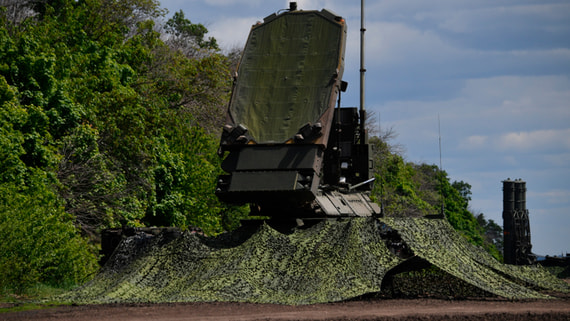
The final major agenda item involved discussions of cutting-edge military technology and its integration into Russian force structures. This encompasses a broad range of innovations, including hypersonic weapons systems, advanced electronic warfare capabilities, next-generation air defense systems, and improved secure communications networks. Russian military doctrine increasingly emphasizes technological superiority as a force multiplier, seeking to offset potential numerical disadvantages through advanced capabilities and networked operations. The board received updates on various advanced weapons programs, including hypersonic missiles that have already entered operational service and next-generation systems currently in development or testing phases.
Artificial intelligence and machine learning applications received particular attention, with officials examining how these technologies can enhance decision-making, improve targeting accuracy, and accelerate operational tempo. The integration of advanced technology across military systems requires substantial investment in training, infrastructure, and supporting capabilities, challenges that the board addressed through comprehensive implementation planning. Looking ahead, Russian defense leadership indicated continued commitment to technological advancement as a cornerstone of military strategy, with significant resources allocated to research and development initiatives across multiple domains. The meeting concluded with directives for implementing discussed priorities and establishing timelines for achieving key modernization milestones.
What This Signals for Russian Military Priorities
The board meeting reflects a military establishment attempting to simultaneously fight a major war and transform its force structure. The emphasis on incorporating battlefield feedback into planning cycles suggests Russian leadership recognizes significant gaps exposed during Ukraine operations, particularly in logistics, equipment reliability, and unit coordination. This adaptive approach marks a departure from pre-war planning assumptions.
The drone warfare focus represents the clearest strategic pivot. Russian forces initially lagged in drone deployment compared to Ukrainian capabilities, and this meeting signals institutional commitment to closing that gap through mass production, diverse platform types, and dedicated organizational structures. The mention of AI-enhanced autonomous systems and swarm capabilities indicates ambitions beyond current operational realities.
Sanctions continue to shape modernization constraints, with import substitution now a central industrial policy rather than an aspiration. The expansion of domestic manufacturing capacity suggests Russian planners anticipate prolonged isolation from Western component suppliers. Whether domestic alternatives can match the performance of previously imported microelectronics and precision components remains the critical unknown that will determine modernization success.
Common Questions
What changes has Russia made to defense planning since 2022?
Russian defense planning has shifted toward greater emphasis on combat readiness, rapid deployment capabilities, and adaptive response mechanisms. The military now incorporates battlefield lessons from Ukraine directly into planning cycles, moving away from pre-war assumptions about force structure and equipment requirements.
How is Russia addressing sanctions impact on military modernization?
Russia has expanded domestic production facilities, reorganized its defense industrial base, and prioritized import substitution strategies. New manufacturing plants have come online while existing facilities operate at increased capacity to reduce dependence on previously imported components, particularly microelectronics and specialized materials.
What types of drone systems is Russia developing?
Russia is developing military-grade unmanned systems alongside adapted commercial drones, including first-person view drones, loitering munitions, and long-range reconnaissance platforms. Future development focuses on swarm capabilities, AI-enhanced autonomous systems, and electronic warfare measures for counter-drone operations.
Expert Opinion: The emphasis on drone warfare and rapid technological adaptation signals a fundamental shift in Russian military doctrine toward more agile, technology-centric operations. Defense analysts anticipate that the lessons from current conflicts will drive accelerated investment in autonomous systems and artificial intelligence integration over the coming decade. The success of these modernization efforts will largely depend on Russia’s ability to sustain defense industrial production while navigating ongoing economic pressures and supply chain constraints.