In what appears to be one of the largest coordinated drone attacks of the ongoing conflict, Russian air defense systems intercepted nearly 400 unmanned aerial vehicles overnight as Ukrainian forces launched a sweeping assault across multiple Russian regions. The attack, which targeted strategic locations including the Voronezh region, resulted in fires at Wildberries warehouse facilities and caused disruptions across several western Russian territories. This escalation marks a significant intensification of Ukraine’s deep-strike capabilities and represents a new chapter in the aerial dimension of the war.
Scale and Scope of the Attack
The overnight assault involved an unprecedented number of unmanned aerial vehicles, with Russian defense ministry sources claiming that approximately 400 drones were detected and neutralized by air defense systems. The attacks spanned multiple regions, with Voronezh Oblast bearing the brunt of the offensive. The region, located approximately 500 kilometers south of Moscow, hosts critical military infrastructure and serves as a major logistics hub for Russian operations. Reports indicate that at least some drones successfully penetrated defensive screens, causing fires at commercial facilities including warehouses operated by Wildberries, Russia’s largest online retailer. The company has become a symbol of Russian e-commerce success, making the attack on its facilities particularly symbolic.
Strategic Significance of Voronezh Region
The Voronezh region has emerged as a critical target for Ukrainian forces due to its strategic military importance. The area hosts several key military installations, including the Borisoglebsk air base and numerous ammunition depots that support Russian military operations in Ukraine. Military analysts have noted that Ukraine has increasingly focused on disrupting Russian logistics chains rather than pursuing purely tactical gains on the front lines. This strategy aims to degrade Russia’s ability to sustain prolonged military operations by targeting fuel depots, ammunition storage facilities, and transportation infrastructure deep within Russian territory. The attacks also serve a psychological purpose, demonstrating that no region is immune from the consequences of the conflict.
Evolution of Ukrainian Drone Capabilities
Ukraine has dramatically expanded its domestic drone production capabilities since the beginning of the full-scale invasion in February 2022. What began as a reliance on imported Turkish Bayraktar TB2 drones has evolved into a sophisticated indigenous manufacturing sector capable of producing thousands of long-range unmanned aerial vehicles monthly. Ukrainian officials have stated their goal of producing one million drones annually, with significant portions dedicated to deep-strike missions. These weapons typically carry explosive payloads and utilize GPS navigation combined with terrain-following technology to evade radar detection. Western nations have supported this effort through technology transfers and financial assistance, viewing long-range strike capabilities as essential to Ukraine’s defense strategy.
Russian Air Defense Challenges
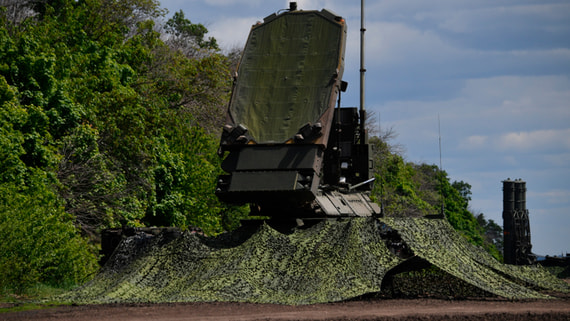
Despite claims of successful interceptions, the frequency and scale of Ukrainian drone attacks have exposed vulnerabilities in Russia’s layered air defense network. The S-300 and S-400 systems, while effective against aircraft and missiles, face difficulties tracking and engaging small, low-flying drones that operate in swarms. Russian forces have deployed Pantsir-S1 short-range defense systems and electronic warfare equipment to address this gap, but the sheer volume of simultaneous attacks can overwhelm defensive capabilities. Military experts suggest that the cost asymmetry strongly favors Ukraine, as each defensive missile expended costs significantly more than the attacking drone. This economic warfare aspect adds another dimension to the conflict’s attritional nature.
Broader Implications and International Response
The escalation of strikes deep into Russian territory has raised concerns among international observers about potential escalation risks. Moscow has repeatedly warned that such attacks could trigger broader retaliatory measures, though Russia’s response options remain constrained by its commitment of forces to the Ukrainian front. Western governments have generally supported Ukraine’s right to strike military targets within Russia, though some nations have placed restrictions on the use of their supplied weapons for such purposes. The successful penetration of Russian airspace by Ukrainian drones also demonstrates the changing nature of modern warfare, where relatively inexpensive unmanned systems can threaten infrastructure previously considered secure from conventional attack.
Expert Opinion: This attack represents a strategic inflection point in Ukraine’s campaign against Russian logistics infrastructure. The scale suggests Ukraine has achieved industrial-level drone production capacity, and we should expect continued escalation of such operations throughout 2025. Russia faces a fundamental challenge: defending its vast territory against asymmetric threats while maintaining offensive capabilities in Ukraine, a balance that will become increasingly difficult to sustain.