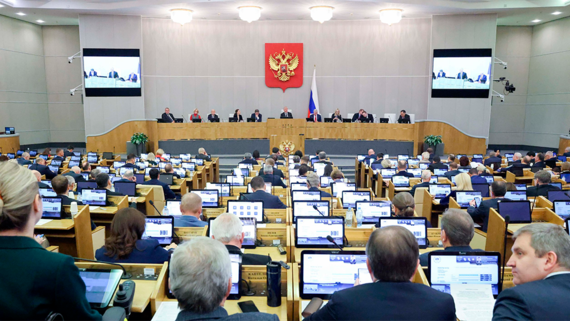
As the eighth convocation of the Russian State Duma approaches its final plenary session, committee chairs have taken the opportunity to reflect on the legislative body’s accomplishments and challenges throughout their tenure. The upcoming conclusion marks a significant milestone in Russian parliamentary history, with deputies preparing to wrap up years of intensive legislative work that has shaped numerous aspects of Russian society, economy, and governance.
The State Duma, which serves as the lower house of Russia’s Federal Assembly, has been operating under its current composition since September 2021, when elections brought together 450 deputies representing various political parties and regional interests. Over the course of this convocation, committees have processed thousands of legislative initiatives, ranging from economic reforms to social welfare programs and national security measures.
Legislative Achievements and Key Reforms
Committee chairs highlighted several landmark pieces of legislation that were passed during this parliamentary term. The work of the Duma has encompassed a wide range of policy areas, including digital economy development, healthcare system modernization, and environmental protection measures. Deputies have also focused considerable attention on supporting families with children, implementing various social support programs that have affected millions of Russian citizens.
The Budget Committee, one of the most influential bodies within the Duma structure, reported on the successful passage of multiple federal budgets during economically challenging times. These budgets required careful balancing of national priorities, defense spending, and social obligations amid shifting global economic conditions. The committee’s work has been instrumental in ensuring financial stability and directing resources toward strategic national projects.
Challenges and Adaptation in Parliamentary Work
The eighth convocation faced unprecedented challenges that required significant adaptation in working methods. Committee chairs noted that deputies had to develop new approaches to legislative drafting and review processes, often working under tight deadlines to address urgent national needs. The parliament implemented various technological solutions to maintain productivity and ensure continued engagement with constituents across Russia’s vast territory.
International relations and geopolitical developments significantly influenced the Duma’s legislative agenda during this period. Committees responsible for foreign affairs, defense, and security reported extensive work on legislation aimed at protecting national interests and ensuring the country’s sovereignty. These efforts included measures related to economic independence, technological development, and strengthening of domestic industries.
Looking Ahead: Future Priorities and Expectations
As deputies prepare for the final plenary session, attention is already turning toward future legislative priorities. Committee chairs emphasized the importance of continuity in parliamentary work, noting that many initiatives begun during this convocation will require ongoing attention and refinement. Areas such as artificial intelligence regulation, climate policy, and demographic challenges are expected to remain at the forefront of legislative discussions in the coming years.
The State Duma’s institutional role in Russia’s political system continues to evolve, with committees serving as crucial forums for expert consultation, public input, and detailed policy analysis. The experience gained during the eighth convocation has contributed to the development of more sophisticated legislative techniques and enhanced cooperation between different branches of government. As this chapter closes, the groundwork has been laid for addressing the complex challenges that lie ahead for Russian society and governance.
Expert Opinion: The conclusion of the eighth Duma convocation represents a period of significant legislative consolidation in Russian governance, with parliament demonstrating its capacity to respond to both domestic priorities and external pressures. Moving forward, the effectiveness of implemented reforms will largely depend on executive branch implementation and regional adaptation, making inter-governmental coordination increasingly critical for policy success.