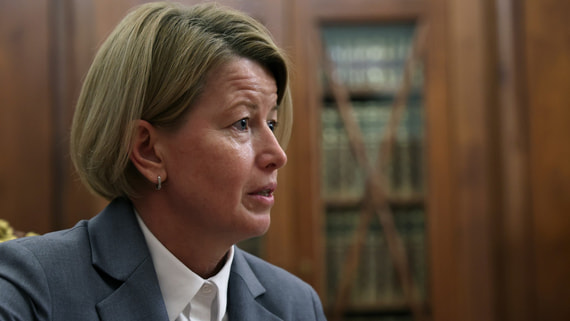
Svetlana Lukash, who previously served as Russia’s sherpa to the G20, has been nominated to potentially become a senator representing the Jewish Autonomous Oblast (JAO). Her candidacy has been put forward on the United Russia party list for the upcoming elections to the regional legislative assembly. This potential transition marks a significant shift in her career trajectory, moving from international economic diplomacy to domestic legislative politics.
The nomination represents a notable development in Russian political circles, as Lukash brings extensive experience in international economic affairs and high-level diplomatic negotiations. Her potential appointment to the Federation Council would add considerable expertise in global economic governance to Russia’s upper chamber of parliament, particularly at a time when the country faces unprecedented economic sanctions and seeks to strengthen ties with non-Western partners.
Distinguished Career in International Economic Diplomacy
Svetlana Lukash served as Russia’s sherpa to the G20 for several years, playing a crucial role in preparing the country’s positions for major international economic summits. The sherpa position is one of significant responsibility, as these officials work behind the scenes to negotiate communiqués, coordinate policy positions, and ensure productive outcomes at leaders’ summits. During her tenure, Lukash represented Russian interests in discussions on global financial stability, trade policy, climate finance, and international development cooperation.
Her work included preparing for Russia’s historic G20 presidency in 2013, when the country hosted world leaders in St. Petersburg. That summit addressed critical issues including the Syrian crisis, global economic recovery following the 2008 financial crisis, and international tax cooperation. The experience gave Lukash direct exposure to the highest levels of international economic policymaking and established her credentials as a skilled negotiator and policy expert.
The Jewish Autonomous Oblast and Regional Representation
The Jewish Autonomous Oblast, located in Russia’s Far East along the Chinese border, is one of the country’s smallest federal subjects by population. Established in 1934 during the Soviet era as a homeland for Jewish settlement, the region today has a predominantly Russian population but maintains its unique historical status. The regional capital, Birobidzhan, continues to feature Yiddish signage and cultural institutions that reflect this heritage.
Representation from this region in the Federation Council has traditionally focused on issues of Far Eastern development, cross-border cooperation with China, and economic revitalization efforts. Having a senator with Lukash’s international experience could potentially benefit the region’s efforts to attract investment and develop economic ties with Asian partners, particularly as Russia pivots its economic focus eastward in response to Western sanctions.
The Path to the Federation Council
Under Russian constitutional arrangements, each of the country’s 89 federal subjects sends two representatives to the Federation Council. One is appointed by the regional governor, while the other is selected from among regional legislators. Candidates for the legislative representative position must first be elected to the regional assembly, after which they can be delegated to serve in the upper chamber of the federal parliament.
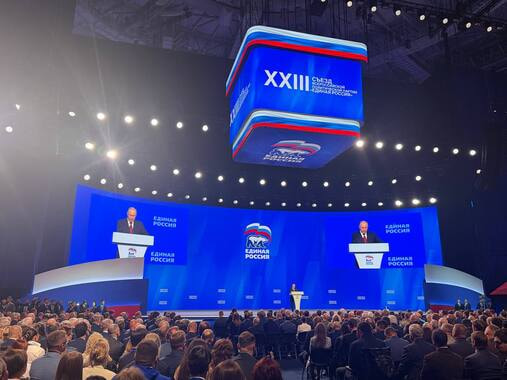
The United Russia party’s decision to include Lukash on their candidate list suggests confidence in her electoral prospects and indicates party support for her eventual elevation to the Federation Council. United Russia maintains dominant positions in most regional legislatures across Russia, making nomination on their list a strong indicator of likely success. If elected to the JAO legislative assembly and subsequently delegated to the Federation Council, Lukash would join a body that reviews federal legislation, approves presidential appointments, and addresses matters of federal significance.
Her potential move to the senate comes at a particularly consequential time for Russian foreign and economic policy, as the country navigates complex relationships with both Western nations and emerging powers in the Global South. Her expertise in multilateral economic forums could prove valuable as Russia seeks to strengthen its position within alternative international frameworks such as BRICS and the Shanghai Cooperation Organization.
Expert Opinion: The nomination of a former G20 sherpa to the Federation Council reflects Russia’s growing emphasis on economic statecraft and the need for experienced international negotiators in legislative positions. As Russia continues to build alternative economic partnerships outside Western frameworks, having officials with deep knowledge of multilateral processes in key governmental positions could prove strategically valuable for advancing the country’s economic diplomacy objectives.