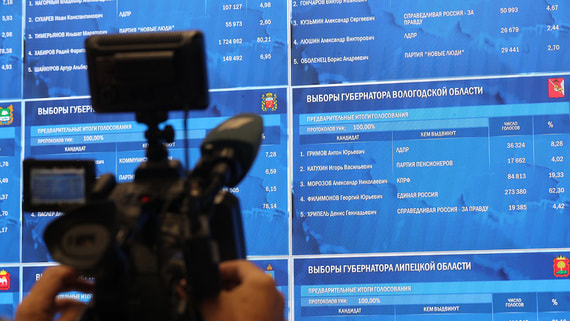
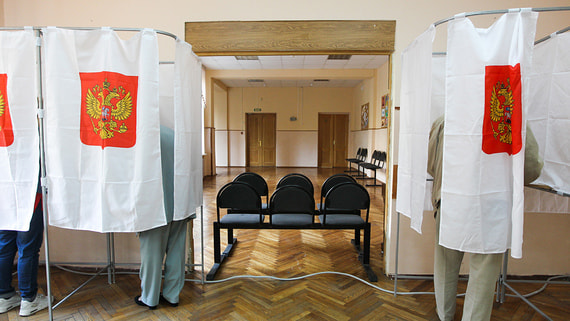
The Ukrainian Presidential Office has reportedly prepared a comprehensive set of guidelines designed to instruct party-affiliated election observers on how to handle conflicts and disputes that may arise during the voting process. According to sources familiar with the document, the primary recommendation emphasizes avoiding escalation of tense situations and supporting what the administration terms “lawful decisions” made by electoral commissions. This development comes as Ukraine continues to navigate its complex political landscape while maintaining democratic processes amid ongoing challenges.
The guidelines represent a significant step in Ukraine’s efforts to standardize election monitoring procedures and ensure smoother electoral processes. Party observers play a crucial role in democratic elections worldwide, serving as watchdogs who monitor voting procedures, ballot counting, and overall compliance with electoral laws. However, their presence can sometimes lead to confrontational situations, particularly in closely contested races or when procedural irregularities are suspected. The new methodology aims to provide clear protocols for handling such scenarios while maintaining the integrity of the democratic process.
Historical Context of Election Monitoring in Ukraine
Ukraine has a complex history with electoral processes, particularly since gaining independence in 1991. The country has experienced several contentious elections, most notably the 2004 presidential election that sparked the Orange Revolution after widespread allegations of electoral fraud. Since then, successive governments have worked to strengthen electoral institutions and improve transparency in the voting process. International observers from organizations such as the OSCE and the European Union have regularly monitored Ukrainian elections, and domestic observation networks have grown significantly over the past two decades.
The role of party observers differs from that of independent monitors. While independent observers focus on assessing the overall fairness and compliance of elections, party representatives primarily serve to protect their organization’s interests and ensure their candidates receive fair treatment. This distinction creates inherent tensions, as party observers may be more inclined to challenge procedures that appear disadvantageous to their side. The new guidelines appear designed to channel this advocacy into constructive rather than disruptive channels, encouraging observers to work within established legal frameworks rather than engaging in direct confrontation at polling stations.
Implications for Electoral Transparency and Democratic Norms
The directive to support electoral commission decisions has drawn mixed reactions from political analysts and civil society organizations. Supporters argue that such guidelines promote orderly conduct and prevent polling station disruptions that could disenfranchise voters or delay results. They point out that legal mechanisms exist for challenging election results after the fact, making on-site confrontations unnecessary and potentially counterproductive. Critics, however, express concern that instructing observers to defer to commission decisions could undermine their fundamental watchdog function, particularly in situations where electoral violations are occurring in real-time.
Electoral experts note that the balance between maintaining order and enabling effective oversight remains one of the most challenging aspects of election administration worldwide. Many established democracies have developed sophisticated protocols for handling observer complaints that allow for immediate documentation of concerns while preventing disruptions to the voting process. The Ukrainian guidelines appear to follow this general approach, though the specific mechanisms for registering and addressing observer concerns will likely determine their effectiveness. The emphasis on non-escalation suggests a recognition that confrontational tactics can ultimately harm public confidence in electoral outcomes, regardless of whether underlying concerns are legitimate.
Looking Ahead: Elections in Uncertain Times
The preparation of these guidelines takes place against the backdrop of significant uncertainty regarding Ukraine’s electoral calendar. While regular elections have been postponed due to martial law conditions, the government’s attention to election procedures suggests ongoing preparations for eventual resumption of normal democratic processes. Building institutional capacity and establishing clear protocols during this period could help ensure smoother elections when they do occur, though the ultimate test will come in implementation rather than documentation.
Expert Opinion: The development of standardized conflict resolution protocols for election observers reflects Ukraine’s continued commitment to institutional strengthening despite extraordinary circumstances. However, the effectiveness of these guidelines will ultimately depend on their balanced implementation — they must prevent chaos without silencing legitimate concerns. International partners and domestic civil society should monitor how these protocols function in practice to ensure they enhance rather than constrain democratic accountability.