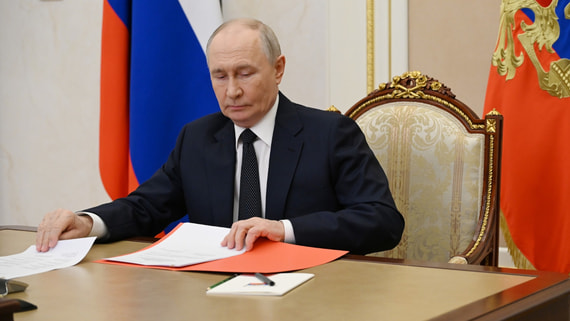
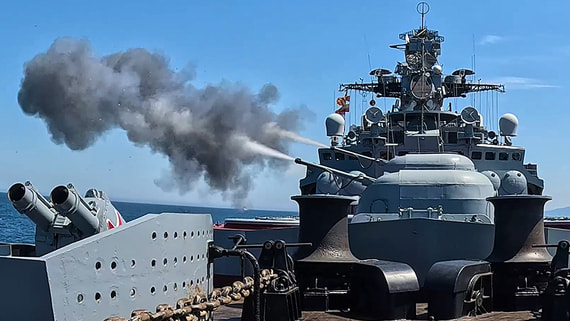
The Russian Navy has reportedly been ordered to respond in kind to any seizures of Russian vessels, signaling a potentially dangerous new phase in maritime tensions between Moscow and Western powers. This directive comes amid growing concerns about the possibility of tit-for-tat actions on the high seas that could escalate into broader confrontation. The move reflects deepening distrust between Russia and NATO member states, with the maritime domain emerging as a critical arena for geopolitical competition in an increasingly fragmented world order.
New Maritime Standoff Takes Shape
The order for mirror responses to vessel seizures represents a significant hardening of Russia’s maritime posture. According to reports, the Russian Navy has been instructed to implement proportional countermeasures whenever Russian-flagged ships are detained or seized by Western nations. This policy effectively transforms every commercial or civilian vessel into a potential flashpoint for international incident. Maritime security experts warn that such an approach dramatically increases the risk of miscalculation and unintended escalation, particularly in contested waters where naval forces from multiple nations operate in close proximity.
The backdrop to this development includes several recent incidents involving Russian vessels in European waters. Western nations have increasingly scrutinized Russian shipping activity, particularly in the context of sanctions enforcement related to the ongoing conflict in Ukraine. Suspicions about vessels carrying sanctioned goods, engaging in sanctions evasion through ship-to-ship transfers, or conducting surveillance activities near critical infrastructure have led to heightened monitoring and occasional detentions. Russia views these actions as politically motivated harassment of legitimate maritime commerce and an extension of what it characterizes as Western economic warfare.
Historical Context and Legal Complexities
Maritime disputes between major powers are hardly new, but the current situation carries unique risks given the broader state of relations between Russia and the West. Throughout the Cold War, naval incidents and close encounters at sea were governed by agreements designed to prevent miscalculation, including the 1972 Incidents at Sea Agreement between the United States and Soviet Union. These frameworks established communication protocols and rules of behavior that helped manage tensions even during periods of intense ideological competition. However, the erosion of arms control agreements and confidence-building measures in recent years has removed many of these guardrails.
International maritime law, primarily codified in the United Nations Convention on the Law of the Sea, provides a framework for addressing disputes over vessel seizures and freedom of navigation. However, enforcement mechanisms are limited, and powerful nations have historically interpreted these provisions to suit their strategic interests. The concept of “innocent passage” through territorial waters and the rights of coastal states to enforce customs, immigration, and security regulations create gray areas that can be exploited during periods of heightened tension. Legal experts note that retaliatory seizures would likely violate international law, but in practice, maritime disputes often unfold faster than legal processes can address them.
Strategic Implications and Risk Assessment
The potential for escalation at sea extends beyond individual ship seizures to broader questions of maritime security and critical infrastructure protection. Recent years have seen growing concerns about undersea cables, pipelines, and other vital installations that form the backbone of global communications and energy networks. Incidents like the Nord Stream pipeline explosions in 2022, which remain officially unsolved, have heightened awareness of vulnerabilities in the maritime domain. Both NATO and Russia have accused each other of conducting surveillance and potentially hostile activities near such infrastructure, creating additional points of friction.
Military analysts suggest that any sustained campaign of reciprocal vessel seizures could quickly spiral beyond the immediate parties involved. Commercial shipping companies might avoid certain routes, insurance premiums could skyrocket, and neutral nations might find themselves caught in the crossfire. The global shipping industry, already recovering from pandemic-related disruptions, would face significant uncertainty. Furthermore, naval forces operating under orders to respond aggressively to perceived provocations face inherent challenges in assessing intent and proportionality in real-time situations, increasing the likelihood of incidents that neither side initially intended.
Path Forward Remains Uncertain
The trajectory of maritime tensions between Russia and Western nations will likely depend on broader diplomatic developments and the willingness of all parties to establish new channels of communication. Some analysts advocate for renewed engagement on maritime confidence-building measures, arguing that even adversaries have shared interests in preventing uncontrolled escalation at sea. Others contend that current geopolitical realities make meaningful dialogue impossible and that deterrence through demonstrated capability remains the only viable approach. What remains clear is that the world’s oceans, long considered a commons governed by international law and cooperation, are increasingly becoming zones of great power competition where the rules of engagement remain dangerously undefined.
Expert Opinion: The directive for mirror responses to vessel seizures represents a concerning departure from established crisis management practices and suggests both sides are preparing for a prolonged period of maritime confrontation. Without renewed diplomatic efforts to establish communication channels and incident prevention protocols, the probability of a serious escalation at sea will continue to rise throughout 2025 and beyond. The international community should closely monitor developments in the Baltic, Black Sea, and Arctic regions as the most likely flashpoints for potential incidents.