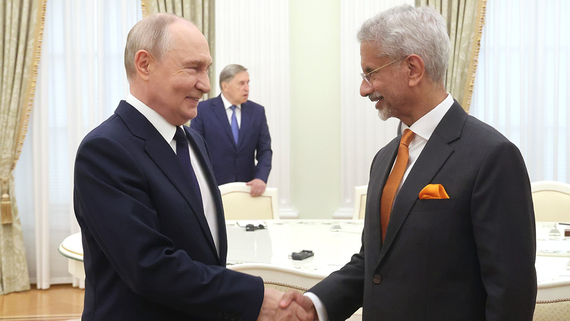
In a significant diplomatic development, India’s Foreign Minister recently completed an official visit to Moscow, where high-level discussions focused on expanding bilateral cooperation in the nuclear energy sector. The centerpiece of these talks was Russia’s offer to permit India to produce nuclear fuel domestically, a move that could substantially enhance India’s energy independence and strengthen the strategic partnership between the two nations. This visit underscores the continued importance of Russia-India relations despite the shifting geopolitical landscape and Western pressure on both countries.
Nuclear Energy Cooperation Takes Center Stage
Russia’s proposal to allow India to manufacture nuclear fuel represents a major step forward in their decades-long nuclear partnership. Currently, India operates several Russian-designed nuclear reactors, including units at the Kudankulam Nuclear Power Plant in Tamil Nadu. However, India has largely depended on imported nuclear fuel to power these facilities. The new arrangement would enable India to develop indigenous fuel fabrication capabilities, reducing dependency on external suppliers and potentially lowering operational costs for its nuclear fleet. This offer aligns with India’s broader ambitions to expand nuclear energy’s share in its power generation mix as the country seeks to meet growing electricity demands while reducing carbon emissions.
The nuclear cooperation between Russia and India dates back to the Soviet era, when Moscow first provided technical assistance for India’s civilian nuclear program. The relationship deepened significantly after the landmark 2008 civil nuclear agreement, which paved the way for expanded cooperation following India’s acceptance of International Atomic Energy Agency safeguards on its civilian facilities. Russia has consistently been one of the few countries willing to engage in nuclear commerce with India, which is not a signatory to the Nuclear Non-Proliferation Treaty. This historical context makes the current offer particularly meaningful, as it builds upon a foundation of trust established over several decades.
Strategic Implications and Geopolitical Context
The timing of this diplomatic engagement is noteworthy given the complex geopolitical environment. India has maintained its traditional policy of strategic autonomy, carefully balancing relationships with Russia, Western powers, and regional neighbors. Despite significant Western pressure to distance itself from Moscow following the Ukraine conflict, New Delhi has continued to pursue its national interests through sustained engagement with Russia. The nuclear energy cooperation represents one pillar of a multifaceted relationship that includes defense procurement, energy imports, and technology transfer. Analysts note that India’s approach reflects its pragmatic foreign policy doctrine, which prioritizes energy security and strategic partnerships over alignment with any single power bloc.
For Russia, deepening ties with India serves multiple strategic objectives. As Western sanctions limit Moscow’s economic options, partnerships with major emerging economies become increasingly valuable. India’s large and growing economy represents a significant market for Russian technology exports and energy resources. Furthermore, the nuclear cooperation helps Russia maintain its position as a leading global supplier of civilian nuclear technology, competing with Chinese, French, and American firms for lucrative contracts worldwide. The willingness to share fuel production technology demonstrates Moscow’s commitment to treating India as a preferred partner deserving of technology transfers typically reserved for close allies.
Future Prospects and Energy Security
Looking ahead, this nuclear fuel production agreement could accelerate India’s ambitious plans to triple its nuclear power capacity by 2031. India currently operates 23 nuclear reactors with a combined capacity of approximately 7,500 megawatts, contributing about three percent of the country’s total electricity generation. Government officials have outlined plans to significantly expand this capacity as part of India’s commitment to achieve net-zero carbon emissions by 2070. Domestic fuel production capabilities would remove a potential bottleneck in this expansion, ensuring reliable fuel supply for both existing and planned reactors. The visit also reportedly touched on other areas of bilateral cooperation, including defense technology, space exploration, and trade facilitation, indicating the comprehensive nature of the Russia-India strategic partnership.
Expert Opinion: This nuclear fuel production partnership signals a deepening strategic alignment between Moscow and New Delhi that transcends current geopolitical tensions. For India, securing indigenous fuel capabilities represents a crucial step toward genuine energy independence, while for Russia, it demonstrates continued relevance as a technology partner of choice. Observers should expect further announcements on joint manufacturing and technology transfer agreements in coming months, as both nations seek to institutionalize cooperation that can withstand external pressures.