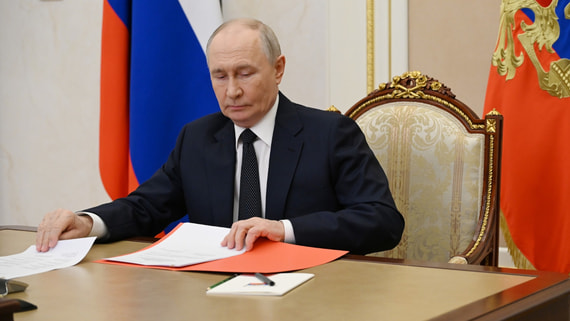
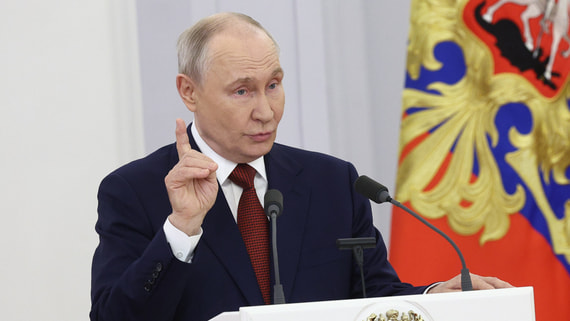
Russian President Vladimir Putin has signed a new decree establishing measures for the protection of critical infrastructure across the country. The decree, which was published on the official legal information portal, introduces a framework that allows for protective measures to be applied to all property classified as critical infrastructure or specific portions thereof. This legislative action represents a significant expansion of state authority over assets deemed essential to national security and economic stability.
The timing of this decree comes amid heightened concerns over infrastructure security in Russia, as the country continues to face various internal and external challenges. Critical infrastructure typically encompasses facilities and systems essential to national functioning, including energy networks, transportation systems, telecommunications, financial institutions, and government facilities. The protection of such assets has become increasingly important globally as nations grapple with cyber threats, physical attacks, and other security vulnerabilities.
Scope and Implementation of the New Decree
According to the published text, the decree provides authorities with broad discretionary powers to determine which assets fall under the critical infrastructure designation. The measure can be applied either comprehensively to entire facilities or selectively to specific components deemed strategically important. This flexibility allows the government to tailor protective measures according to the assessed level of threat and the strategic value of individual assets.
The decree builds upon existing Russian legislation regarding infrastructure protection, which has been progressively strengthened over the past decade. Russia first established a comprehensive legal framework for critical information infrastructure protection in 2017, requiring operators of essential systems to register with state authorities and implement specific security protocols. The new presidential decree appears to extend these principles to physical infrastructure assets more broadly.
Strategic Context and Security Considerations
Infrastructure security has become a paramount concern for nations worldwide, with Russia being no exception. The country operates one of the world’s most extensive pipeline networks for oil and gas transportation, maintains a vast railway system spanning multiple time zones, and manages critical energy production facilities that serve both domestic needs and export markets. Protecting these assets from potential sabotage, cyberattacks, or other threats represents a significant security challenge.
International experts have noted that Russia has been increasingly focused on hardening its critical infrastructure in recent years. This includes both physical security enhancements and cybersecurity measures designed to protect control systems from remote attacks. The new decree likely provides additional legal authority for implementing protective measures that may include restricted access zones, enhanced surveillance, and stricter security protocols for personnel working at designated facilities.
Implications for Property Rights and Business Operations
The decree raises important questions about the balance between national security imperatives and property rights. By allowing measures to be applied to private property classified as critical infrastructure, the government gains significant leverage over how such assets are managed and operated. Business entities operating critical infrastructure may face new compliance requirements and potential restrictions on their operations.
Legal analysts suggest that such measures could affect foreign investment decisions in sectors classified as critical infrastructure. International companies considering investments in Russian energy, telecommunications, or transportation sectors may need to factor in the potential for increased regulatory oversight and restrictions. However, proponents argue that robust infrastructure protection benefits all stakeholders by ensuring operational continuity and reducing vulnerability to disruptions that could have cascading economic effects.
Expert Opinion: This decree signals Russia’s continued prioritization of infrastructure security as a cornerstone of national defense strategy. The broad discretionary powers granted to authorities suggest we may see significant expansion of state oversight over assets previously operating with greater autonomy. International observers should monitor implementation closely, as the practical application of these measures will reveal their true scope and potential impact on both domestic operations and foreign business interests in Russia.