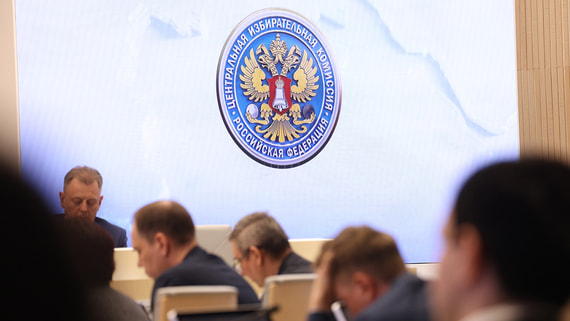
Russia’s Central Election Commission (CEC) has officially certified the candidate lists submitted by three major political parties for the upcoming State Duma elections. United Russia, the ruling party that has dominated Russian politics for over two decades, along with the liberal-leaning Yabloko party and the relatively new political force New People, have all received approval for their electoral rosters. However, the certification process was not without complications, as several candidates were either excluded from the lists or voluntarily withdrew their nominations before final approval was granted.
The certification of party lists represents a crucial milestone in the Russian electoral process, as it determines which candidates will be eligible to compete for seats in the lower house of parliament. The State Duma, consisting of 450 deputies, serves as the primary legislative body in Russia’s bicameral Federal Assembly and plays a significant role in shaping domestic and foreign policy. Half of the seats are allocated through proportional representation based on party lists, while the remaining half are filled through single-mandate constituency races.
United Russia Maintains Dominant Position
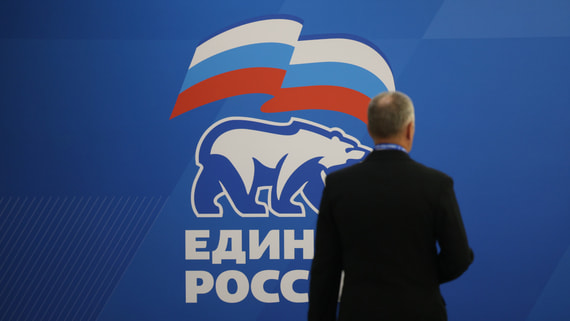
United Russia, founded in 2001 and closely aligned with President Vladimir Putin, continues to maintain its position as the country’s dominant political force. The party has held a constitutional majority in the State Duma since 2016, allowing it to pass legislation without requiring support from opposition parties. The certification of their candidate list signals the party’s readiness to defend its parliamentary stronghold in the upcoming elections. United Russia’s electoral strategy typically combines high-profile federal candidates with regional politicians and public figures who can mobilize local support across Russia’s vast territory.
The party’s historical electoral performance has been consistently strong, though it has faced varying levels of criticism regarding the fairness of electoral processes. In previous elections, United Russia has benefited from significant media coverage, administrative resources, and organizational infrastructure that smaller parties struggle to match. Political analysts note that the party’s ability to maintain cohesion among its diverse membership, ranging from conservatives to moderate reformists, remains one of its key strengths heading into the electoral campaign.
Opposition Parties Navigate Electoral Challenges
The Yabloko party, one of Russia’s oldest liberal democratic parties founded in 1993, continues its efforts to maintain relevance in an increasingly challenging political environment. Named after the Russian word for apple and an acronym of its founders’ surnames, Yabloko has historically advocated for civil liberties, democratic reforms, and closer integration with Western institutions. While the party has struggled to clear the five percent threshold required for parliamentary representation in recent elections, its continued participation demonstrates the persistence of liberal political voices in Russian electoral politics.
New People, established in 2020 by entrepreneur Alexey Nechayev, represents a newer entrant into Russia’s political landscape. The party positions itself as a centrist force focused on supporting small and medium-sized businesses, reducing bureaucracy, and promoting civic engagement among younger voters. Its rapid rise and successful registration demonstrate that new political movements can still emerge within Russia’s electoral system, though observers note that parties must navigate complex regulatory requirements and political pressures to participate in federal elections.
Candidate Withdrawals and Exclusions
The exclusion and withdrawal of several candidates from the certified lists reflects the rigorous vetting process that accompanies Russian electoral procedures. Candidates may be removed for various reasons, including incomplete documentation, failure to meet residency requirements, dual citizenship issues, or discovery of undisclosed foreign assets. Additionally, some candidates voluntarily withdraw their nominations due to personal circumstances, strategic party decisions, or pressure from various stakeholders. The CEC’s final certification ensures that all remaining candidates meet the legal requirements for parliamentary candidacy.
The upcoming State Duma elections will be closely watched by domestic and international observers as an indicator of Russia’s political trajectory. Voter turnout, the performance of opposition parties, and the conduct of the electoral process itself will all factor into assessments of the election’s legitimacy and significance. As campaigns begin in earnest, parties will focus on mobilizing their bases, presenting policy platforms, and competing for the attention of Russian voters across the country’s eleven time zones.
Expert Opinion: The certification of these party lists indicates that Russia’s electoral framework continues to function within established parameters, though the meaningful competitiveness of elections remains a subject of debate among political scientists. The inclusion of New People alongside established parties suggests an attempt to demonstrate political pluralism, while the dominance of United Russia’s organizational capabilities will likely prove decisive in determining seat allocation. Observers should pay particular attention to regional variations in electoral competition and any developments regarding candidate exclusions as the campaign progresses.