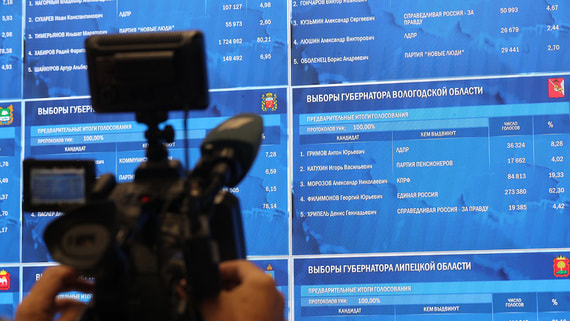
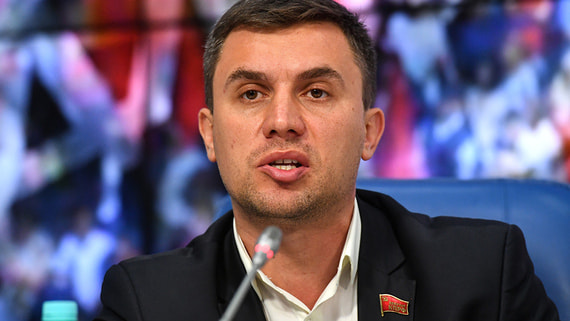
The Communist Party of the Russian Federation (CPRF) has initiated an organized campaign to support party candidates who are being removed from electoral ballots across the country. This coordinated effort represents a significant political maneuver by Russia’s second-largest political party, as it seeks to reinforce its credentials as a genuine opposition force in the current political landscape. The campaign comes amid growing concerns about electoral fairness and the increasing number of candidates being disqualified from various regional and local elections on technical grounds.
Political analysts suggest that this initiative is primarily aimed at confirming the party’s status as an opposition force in the eyes of both domestic and international observers. The CPRF, which traces its roots back to the Communist Party of the Soviet Union, has long positioned itself as the main alternative to the ruling United Russia party. However, critics have frequently questioned whether the party represents genuine opposition or merely serves as controlled opposition that helps legitimize the existing political system.
Historical Context and Party Background
The Communist Party of the Russian Federation was established in 1993 following the dissolution of the Soviet Union and the subsequent ban on the Communist Party of the Soviet Union. Over the past three decades, the party has maintained a consistent presence in the State Duma, typically holding the second-largest number of seats after United Russia. The party’s electoral performance has varied significantly over the years, with support generally ranging between 10 and 20 percent in federal elections. Led by Gennady Zyuganov since its founding, the CPRF has attempted to balance traditional communist ideology with modern political realities.
The practice of disqualifying candidates from elections in Russia has become increasingly common in recent years. Electoral commissions frequently cite procedural violations, incorrect documentation, or issues with signature collection as grounds for removal. Opposition figures and international observers have repeatedly criticized these disqualifications as politically motivated attempts to prevent competitive elections. The European Union and various human rights organizations have documented patterns suggesting that such removals disproportionately affect candidates who challenge incumbents or represent parties other than United Russia.
Strategic Implications and Expert Analysis
According to political experts, the CPRF’s decision to launch this campaign serves multiple strategic purposes. First, it allows the party to demonstrate solidarity with its candidates and activists at the grassroots level, potentially boosting morale and encouraging continued engagement despite setbacks. Second, the campaign generates media attention and public discourse about electoral procedures, positioning the party as a defender of democratic principles. Third, by publicly challenging candidate removals, the CPRF creates a documented record of electoral disputes that can be referenced in future political debates and international discussions about Russian democracy.
Some analysts remain skeptical about the ultimate effectiveness and sincerity of the campaign. They note that the CPRF has historically been reluctant to challenge the political establishment too aggressively, preferring to work within existing power structures rather than fundamentally opposing them. This approach has allowed the party to maintain its parliamentary presence and access to state resources, but it has also drawn criticism from more radical opposition movements who view the Communists as complicit in preserving the status quo. The current campaign could represent either a genuine shift toward more assertive opposition tactics or simply a public relations exercise designed to maintain the appearance of political competition.
Broader Electoral Landscape
The campaign unfolds against the backdrop of Russia’s evolving electoral system, which has undergone numerous modifications in recent years. Changes to election laws, adjustments to the structure of electoral commissions, and modifications to campaign financing rules have all contributed to an environment that critics describe as increasingly restrictive. Independent candidates and smaller parties often face the greatest obstacles, while established parliamentary parties like the CPRF benefit from automatic ballot access and state funding. This dynamic creates complex incentives for parties navigating between genuine opposition and systemic participation.
Looking ahead, the success of the CPRF’s campaign will likely depend on several factors, including the party’s ability to mobilize public support, media coverage of candidate disqualifications, and the response of electoral authorities to legal challenges. Whether this initiative represents a turning point in Russian opposition politics or merely a temporary tactical adjustment remains to be seen. What is clear is that questions about electoral fairness and genuine political competition continue to occupy a central place in discussions about Russia’s political future.
Expert Opinion: The CPRF’s campaign to defend disqualified candidates reflects the party’s ongoing struggle to maintain relevance in Russia’s constrained political environment. While this effort may temporarily boost the party’s opposition credentials, meaningful change in electoral practices would require sustained pressure from multiple political forces and civil society actors. The coming months will reveal whether this represents genuine political awakening or strategic positioning ahead of future electoral cycles.