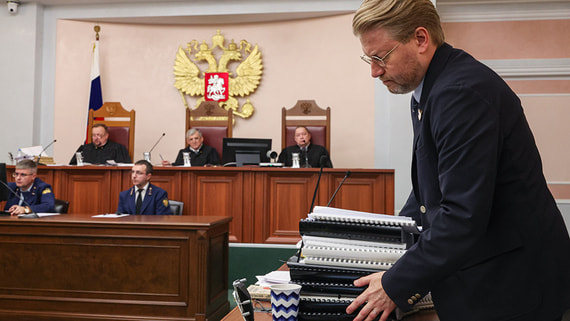
The ongoing legal challenge against the liberal Yabloko party’s participation in upcoming Russian parliamentary elections has sent ripples through the entire political landscape, forcing even established parliamentary parties to mount defensive strategies against similar procedural complaints. The case, which centers on alleged technical violations in the party’s registration documents, has become a focal point for understanding the increasingly complex and contested nature of electoral politics in Russia, where opposition forces face mounting obstacles to meaningful participation in the democratic process.
The Yabloko party, one of Russia’s oldest liberal democratic organizations founded in 1993, has long served as a standard-bearer for progressive political values in a system increasingly dominated by the ruling United Russia party. The current deregistration attempt marks yet another chapter in the party’s decades-long struggle to maintain a viable political presence despite facing systematic pressures that critics argue are designed to marginalize opposition voices. Party leaders have characterized the legal challenge as politically motivated, pointing to a pattern of similar actions against opposition candidates and parties across Russian regions.
Parliamentary Parties Face Unprecedented Scrutiny
What makes the current situation particularly significant is that the legal tactics being employed against Yabloko are now being turned against parties that already hold seats in the State Duma, Russia’s lower house of parliament. The Communist Party of the Russian Federation (KPRF), the Liberal Democratic Party of Russia (LDPR), and A Just Russia have all found themselves responding to procedural complaints that mirror those lodged against Yabloko. This development suggests a broader pattern of electoral contestation that transcends traditional divisions between systemic and non-systemic opposition forces.
Political analysts note that the current electoral cycle has been marked by an unusually high number of technical challenges to party registrations and candidate nominations. These challenges frequently focus on minor documentation errors, signature verification issues, and procedural technicalities that critics argue are selectively enforced. The cumulative effect, observers suggest, is to create an atmosphere of legal uncertainty that consumes party resources and diverts attention from substantive campaigning on policy issues.
Historical Context and Electoral Dynamics
Russia’s electoral system has undergone numerous modifications since the collapse of the Soviet Union, with changes to party registration requirements, electoral thresholds, and campaign finance regulations often benefiting incumbents while raising barriers for challengers. The current seven percent threshold for parliamentary representation, though reduced from earlier higher levels, still poses significant challenges for smaller parties seeking to gain or maintain a foothold in national politics. Yabloko has not held seats in the State Duma since 2003, though it continues to win representation in some regional and municipal bodies.
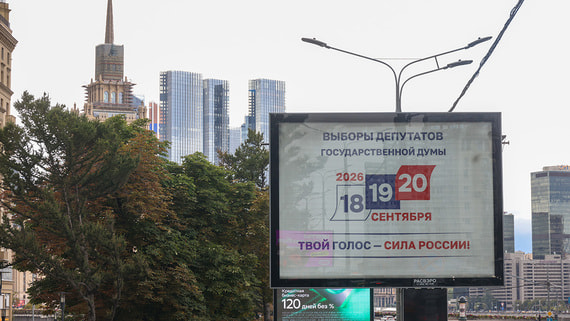
The timing of the current challenges is particularly noteworthy, coming as Russia prepares for elections that will shape the composition of its legislature during a period of significant domestic and international tension. Electoral commissions at various levels have reported increased workloads related to complaint processing and verification procedures, while parties across the political spectrum have expanded their legal teams in anticipation of potential challenges. Some observers have drawn comparisons to previous electoral cycles where technical disqualifications played a significant role in determining which parties and candidates appeared on ballots.
Implications for Democratic Participation
The broader implications of the Yabloko case extend beyond the immediate question of whether one party will appear on the ballot. Civil society organizations and international election monitors have expressed concern that the proliferation of technical challenges could undermine public confidence in electoral processes and discourage citizen participation. Voter turnout in Russian elections has varied considerably in recent years, and some analysts suggest that perceptions of predetermined outcomes contribute to electoral apathy among certain demographic groups, particularly younger urban voters who might otherwise support opposition parties.
As the campaign period continues, all parties involved face the challenge of balancing legal defense with voter outreach and message development. The resources required to contest deregistration attempts or respond to procedural complaints can be substantial, potentially disadvantaging parties with limited financial means relative to well-funded competitors. Whether the current wave of challenges represents a temporary intensification of electoral competition or signals a longer-term shift in how Russian elections are conducted remains to be seen as the campaign moves toward its conclusion.
Expert Opinion: The systematic application of technical challenges against both opposition and nominally systemic parties suggests an evolving electoral control mechanism that prioritizes procedural compliance over substantive political competition. This trend may ultimately reshape Russian party politics by favoring organizations with robust legal infrastructure while marginalizing those dependent on grassroots mobilization. The long-term consequence could be further consolidation of political power among established players capable of navigating an increasingly complex regulatory environment.