
Political analysts in Russia are projecting that the upcoming State Duma elections could witness voter turnout figures exceeding those recorded in both the 2016 and 2021 electoral cycles. According to experts monitoring the political landscape, this anticipated increase in civic participation stems largely from successful efforts to engage segments of the electorate that have traditionally remained undecided or disengaged from the political process. The mobilization of these so-called swing voters represents a significant shift in campaign strategy that could reshape the composition of Russia’s lower house of parliament.
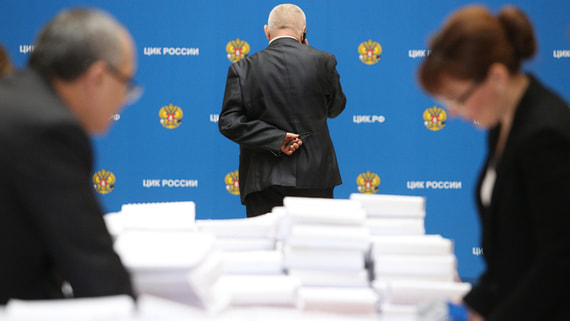
The State Duma, which serves as the lower chamber of the Federal Assembly of Russia, consists of 450 deputies elected through a mixed electoral system. Half of these seats are filled through proportional representation based on party lists, while the remaining half are determined through single-mandate constituencies across the country’s regions. This dual system has been in place since reforms were implemented following earlier electoral experiments, and it continues to shape how political parties approach their campaign strategies and voter outreach efforts.
Historical Context of Voter Participation
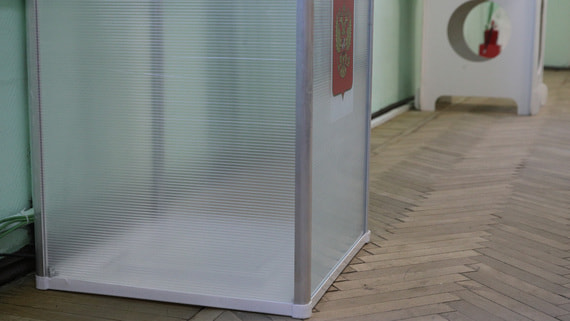
In the 2016 State Duma elections, official turnout figures stood at approximately 47.8 percent, marking one of the lowest participation rates in post-Soviet Russian electoral history. The 2021 elections saw a modest improvement, with turnout reaching around 51.7 percent following the introduction of multi-day voting procedures that extended the electoral window to three days. This innovation was initially introduced during the 2020 constitutional referendum and has since become a standard feature of major Russian elections, ostensibly to provide greater convenience for voters while also raising concerns among opposition groups about electoral oversight.
The current projections of increased turnout reflect broader changes in the Russian political environment. Analysts point to heightened political awareness among previously apathetic demographic groups, particularly younger voters and residents of smaller urban centers. Campaign organizers have reportedly invested significant resources in digital outreach and grassroots mobilization efforts designed to connect with citizens who felt disconnected from previous electoral cycles. Social media platforms and messaging applications have become increasingly important tools for reaching these potential voters.
Factors Driving Electoral Engagement
Several factors appear to be contributing to the projected increase in electoral participation. Economic concerns, international developments, and domestic policy debates have all served to heighten public interest in political outcomes. Additionally, regional authorities have implemented various initiatives aimed at encouraging voter registration and participation, including expanded early voting opportunities and improved accessibility at polling stations. These administrative measures, combined with more aggressive campaign tactics by multiple parties, have created conditions that experts believe will translate into higher turnout numbers.
The engagement of swing voters represents a particularly significant development in Russian electoral politics. These individuals, who may not have strong party affiliations or consistent voting habits, can prove decisive in closely contested single-mandate districts. Political consultants have developed increasingly sophisticated methods for identifying and communicating with these voters, drawing on data analytics and targeted messaging campaigns. The success of these efforts could have implications not only for the upcoming Duma elections but also for future electoral contests at various levels of Russian governance.
Implications for Political Landscape
Should the predicted turnout increases materialize, the results could carry significant implications for the balance of power within the State Duma. Higher participation rates often introduce greater unpredictability into electoral outcomes, potentially benefiting smaller parties that manage to mobilize enthusiastic supporter bases. The ruling United Russia party, which has maintained a constitutional majority in the Duma, will be closely monitoring turnout patterns across different regions and demographic groups to assess the effectiveness of its own campaign operations and anticipate potential challenges to its dominant position in Russian legislative politics.
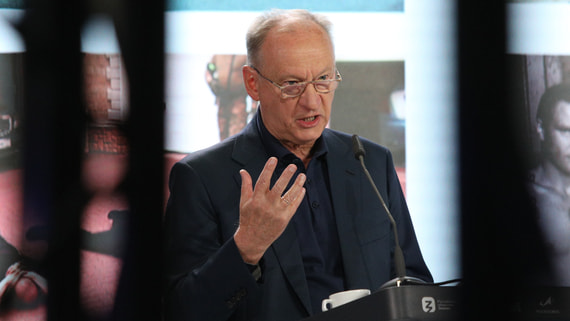
Expert Opinion: The projected turnout increase signals a notable evolution in Russian electoral dynamics, where traditional mobilization methods are being supplemented by sophisticated digital engagement strategies. If swing voter participation rises as anticipated, future elections may become less predictable, forcing all major parties to invest more heavily in grassroots outreach rather than relying solely on administrative resources and established voter bases.