
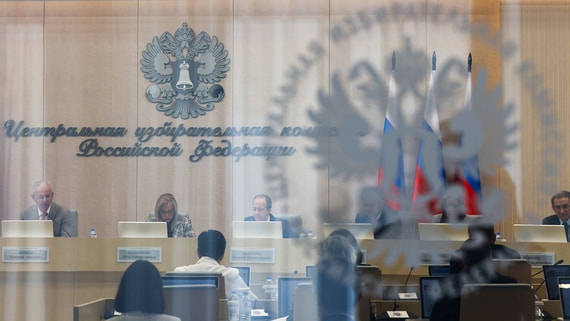
Russia is preparing to introduce electronic voting protocols across approximately one-third of its regions for the upcoming State Duma elections scheduled for 2026. This marks the first time such digital documentation technology will be deployed on a national parliamentary election scale, representing a significant step in the country’s ongoing efforts to modernize its electoral infrastructure. The Central Election Commission has been working on implementing various technological solutions to streamline the voting process and improve the accuracy of vote counting procedures.
The adoption of electronic protocols is part of a broader digital transformation initiative within Russia’s electoral system that has been developing over the past decade. These electronic documents are designed to replace traditional paper-based protocols that election officials have historically used to record and transmit voting results from polling stations to regional and central election commissions. Supporters of the technology argue that digital protocols can reduce human error, accelerate the counting process, and provide greater transparency in how votes are tallied and reported.
Background on Russian Electoral Modernization
Russia’s journey toward electoral digitization began in earnest following the 2011-2012 parliamentary and presidential elections, which saw widespread protests over alleged voting irregularities. In response, authorities installed web cameras at polling stations and began exploring various technological solutions to address public concerns about election integrity. The introduction of electronic protocols represents the latest phase in this ongoing modernization effort, building upon previous experiments with remote electronic voting that were first tested in Moscow city elections.
The electronic protocol system works by allowing election commission members to input voting data directly into a digital format, which is then transmitted securely to higher-level election commissions. This eliminates the need for manual data entry at multiple stages, which has historically been a source of potential errors and, critics have alleged, manipulation. Each electronic protocol is protected by digital signatures from commission members, creating an audit trail that can be verified if questions arise about the accuracy of reported results.
Implementation Challenges and Regional Variations
The decision to implement electronic protocols in approximately one-third of Russia’s regions rather than nationwide reflects both practical and logistical considerations. Russia encompasses eleven time zones and includes regions with vastly different levels of technological infrastructure, from major metropolitan centers like Moscow and St. Petersburg to remote areas in Siberia and the Far East. Election officials have noted that ensuring reliable internet connectivity, training personnel, and deploying necessary equipment across all regions simultaneously would be impractical.
The regions selected for the initial rollout are expected to be those with more developed digital infrastructure and previous experience with electronic voting technologies. Moscow, for instance, has been at the forefront of remote electronic voting experiments, having conducted multiple tests during local and federal elections. The phased approach allows election authorities to identify and address any technical issues before potentially expanding the system to additional regions in future electoral cycles.
Implications for Future Elections
The 2026 State Duma elections will serve as a critical test case for the electronic protocol system. The State Duma, Russia’s lower house of parliament, consists of 450 deputies elected through a mixed system combining single-mandate constituencies and proportional representation from party lists. With elections taking place across the country’s vast territory, the efficient processing and transmission of voting data is essential for timely and accurate result reporting. International election observers and domestic monitoring groups will likely pay close attention to how the new technology performs.
Looking ahead, successful implementation could pave the way for broader adoption of digital electoral technologies in Russia. Some analysts suggest that electronic protocols could eventually become standard across all regions, potentially followed by expanded use of remote electronic voting. However, questions remain about cybersecurity, voter privacy, and public trust in digital systems. As Russia moves forward with these technological changes, the balance between modernization and maintaining public confidence in electoral processes will remain a central concern for election administrators and citizens alike.
Expert Opinion: The gradual introduction of electronic protocols in Russian elections reflects a cautious approach to electoral technology adoption that prioritizes system reliability over rapid nationwide deployment. While digitization can theoretically improve efficiency and reduce certain types of errors, the ultimate success of this initiative will depend on transparent implementation, robust cybersecurity measures, and independent verification mechanisms that can build public trust in the new system.