Russian President Vladimir Putin has completed a significant visit to the Far Eastern territories of Sakhalin and the Kuril Islands, where he chaired a high-level security meeting and delivered remarks praising what he called the “winner’s code” inherent in the Russian people. The visit marks a notable presidential appearance in these strategically sensitive regions, which have long been at the center of territorial disputes with neighboring Japan and hold substantial economic importance for Russia’s energy sector and Pacific maritime interests.
The presidential tour comes at a time of heightened geopolitical tensions in the Asia-Pacific region and underscores Moscow’s commitment to maintaining a strong presence in its easternmost territories. Putin’s decision to hold security consultations in this location carries symbolic weight, demonstrating Russia’s firm stance on sovereignty over the disputed islands while also addressing broader national security concerns facing the country.
Strategic Security Discussions in the Far East
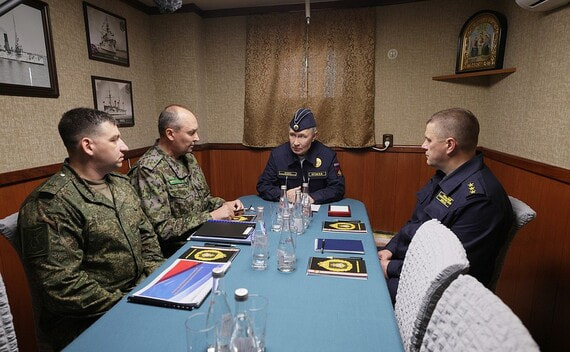
During the security meeting held on Sakhalin, President Putin addressed a range of defense and strategic issues affecting Russia’s Pacific frontier. The Kuril Islands, stretching from Hokkaido, Japan, to Russia’s Kamchatka Peninsula, represent a critical military and economic zone. Russia has been steadily increasing its military presence on the islands in recent years, deploying advanced missile systems and expanding naval facilities to project power across the northwestern Pacific Ocean.
The security conference reportedly covered topics including border protection, military infrastructure development, and coordination between various security agencies operating in the region. Defense analysts note that Russia views its Far Eastern territories as increasingly important given the evolving security dynamics in the Asia-Pacific, including growing military cooperation between the United States and its regional allies. The meeting also addressed cybersecurity threats and measures to protect critical infrastructure in these remote but strategically vital areas.
The “Winner’s Code” and National Identity
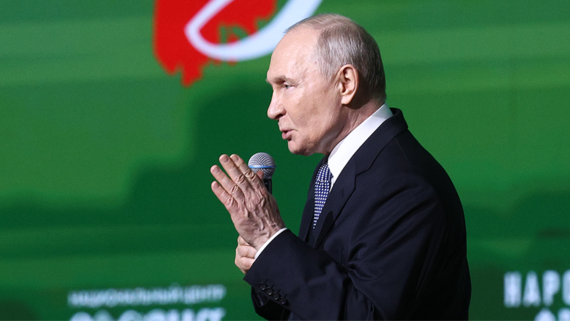
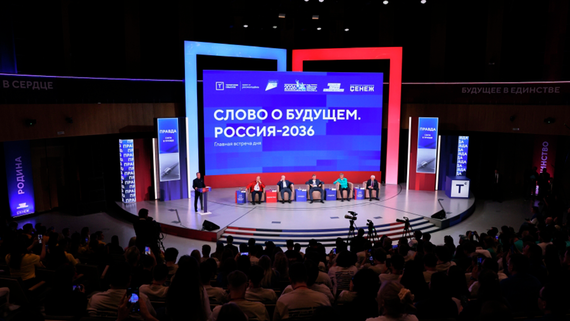
In his public remarks during the visit, Putin emphasized what he termed the “winner’s code” possessed by Russian citizens, a phrase that resonates with themes of national resilience and historical triumph that have become central to Kremlin messaging in recent years. This rhetoric connects to Russia’s collective memory of overcoming great challenges, particularly the victory in World War II, which remains a cornerstone of national identity.
Political observers interpret such statements as part of a broader effort to bolster national unity and morale during a period of significant international pressure and ongoing military operations. The president’s language appears designed to reinforce public confidence and frame current challenges within a historical narrative of Russian perseverance and ultimate success. By delivering these remarks in the Far East, Putin also signals that national identity and strength extend across Russia’s vast eleven time zones.
Historical Context of the Kuril Islands Dispute
The Kuril Islands have remained a source of tension between Russia and Japan since the end of World War II, when Soviet forces seized the archipelago. Japan claims the four southernmost islands—known in Japan as the Northern Territories—and the unresolved dispute has prevented the two nations from signing a formal peace treaty for nearly eight decades. Multiple rounds of negotiations over the decades have failed to produce a breakthrough, with both sides maintaining firm positions on sovereignty.
Russia has significantly developed the islands’ infrastructure in recent years, investing in airports, ports, and civilian facilities while also expanding military capabilities. These developments have drawn protests from Tokyo but underscore Moscow’s intention to maintain permanent control over the territory. The islands hold substantial natural resources, including rich fishing grounds and potential offshore oil and gas deposits, adding economic considerations to the geopolitical equation. Putin’s visit reinforces the message that Russia considers the matter of sovereignty settled, despite Japan’s continued objections.
Expert Opinion: Putin’s Far Eastern tour represents a calculated demonstration of Russian sovereignty claims at a time when Western attention focuses primarily on events in Europe. The emphasis on security infrastructure and national identity messaging suggests Moscow is preparing for a prolonged period of strategic competition in the Asia-Pacific, viewing the region as increasingly central to Russia’s future economic and military positioning.