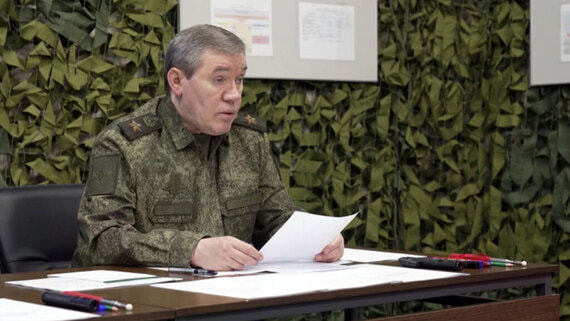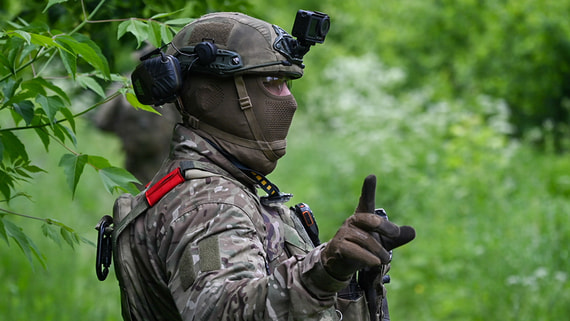
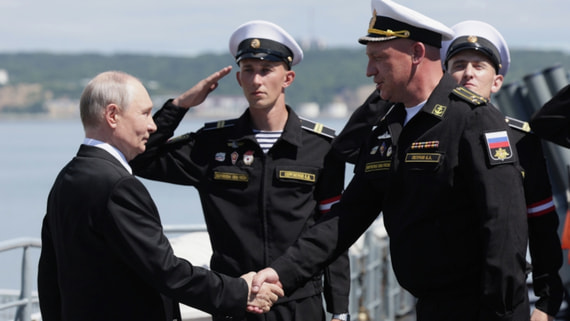
Russian President Vladimir Putin participated in strategic exercises of the Pacific Fleet, delivering a series of significant statements that touched upon Russia’s response to the seizure of its vessels, the expansion of NATO influence into the Asia-Pacific region, and direct warnings addressed to Japan. The exercises, which took place in Russia’s Far East, served as both a demonstration of military capability and a platform for Putin to outline Russia’s strategic positions on several pressing international issues that have been escalating in recent months.
During the exercises, Putin emphasized that Russia would provide a firm and proportionate response to any attempts to seize Russian vessels or interfere with the country’s maritime operations. This statement comes amid heightened tensions over international shipping routes and the ongoing disputes regarding sanctions enforcement and vessel detentions. The Russian president made clear that protecting the nation’s maritime interests remains a top priority, and that any hostile actions against Russian ships would be met with appropriate countermeasures. This rhetoric reflects a broader pattern of Russian foreign policy that has become increasingly assertive in defending what Moscow perceives as its core national interests.
NATO’s Expanding Footprint in the Asia-Pacific Region
One of the most significant aspects of Putin’s statements focused on what he described as NATO’s dangerous expansion into the Asia-Pacific region. The Russian president expressed serious concern about the alliance’s growing presence and influence in an area traditionally outside its geographic mandate. NATO, originally established as a North Atlantic defense organization, has in recent years deepened its partnerships with countries like Japan, South Korea, Australia, and New Zealand. Putin characterized this expansion as a destabilizing factor that threatens the existing security architecture in the region and could potentially lead to increased military confrontation.
The Russian leader’s concerns echo sentiments shared by China, which has also criticized Western military alliances for what it perceives as attempts to contain rising Asian powers. Military analysts note that the Indo-Pacific region has become a focal point of great power competition, with the United States and its allies seeking to maintain influence while Russia and China work to establish alternative security frameworks. Putin’s comments during the Pacific Fleet exercises underscore Moscow’s intention to position itself as a key player in Asian security matters, particularly as Western nations increase their naval presence in waters close to Russian territory.
Direct Warnings Issued to Japan
Perhaps the most striking element of Putin’s remarks was his direct warning to Japan regarding its security policies and alignment with Western powers. The Russian president cautioned Tokyo about the consequences of deepening military cooperation with the United States and NATO, suggesting that such moves could make Japan a target in any potential regional conflict. Relations between Russia and Japan have been complicated for decades, primarily due to the unresolved territorial dispute over the Kuril Islands, which Japan calls the Northern Territories. The Soviet Union seized these islands at the end of World War II, and the two countries have never signed a peace treaty formally ending hostilities.
In recent years, Japan has significantly increased its defense spending and expanded its military capabilities, moves that Tokyo justifies as necessary responses to threats from North Korea and China. However, Moscow views Japan’s military modernization and its hosting of American military bases as direct threats to Russian security in the Far East. Putin’s warnings appear designed to signal that Russia will not tolerate what it perceives as encirclement by hostile forces in its eastern regions. Japanese officials have not yet publicly responded to Putin’s latest statements, though the comments are likely to further strain already tense bilateral relations.
Strategic Implications and Regional Security Outlook
The Pacific Fleet exercises and Putin’s accompanying statements reflect Russia’s broader strategic calculus in an increasingly multipolar world. As tensions with the West continue over the conflict in Ukraine, Moscow has sought to strengthen its position in Asia, deepening ties with China and presenting itself as an alternative partner for countries skeptical of American hegemony. The exercises themselves demonstrated Russia’s continued investment in its Pacific naval capabilities, despite the significant resources being devoted to operations elsewhere. Military experts observe that Russia’s Pacific Fleet, while smaller than its Soviet-era predecessor, remains a significant force capable of projecting power throughout the region.
The international community continues to watch developments in the Asia-Pacific with concern, as the region’s economic importance and strategic significance make any military escalation potentially catastrophic. Putin’s statements serve as a reminder that Russia intends to remain an active participant in shaping the region’s security environment, even as it faces unprecedented pressure from Western sanctions and diplomatic isolation. How other regional powers, particularly Japan, South Korea, and China, respond to these developments will likely shape the trajectory of Asia-Pacific security for years to come.
Expert Opinion: Putin’s statements during the Pacific Fleet exercises signal a deliberate Russian strategy to open a second front of geopolitical pressure in Asia while facing Western opposition in Europe. This dual-theater approach aims to stretch Western resources and attention, while simultaneously strengthening Moscow’s partnership with Beijing. The explicit warnings to Japan suggest Russia may be preparing to adopt a more confrontational posture in the Far East if it perceives continued NATO encroachment into what it considers its sphere of influence.