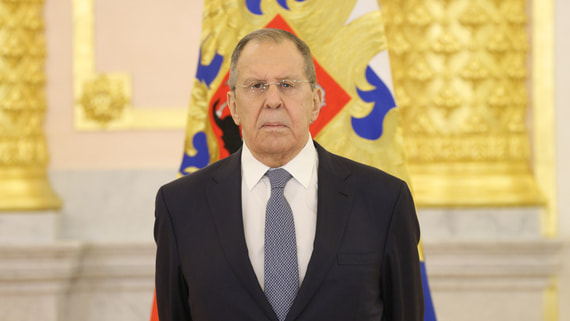
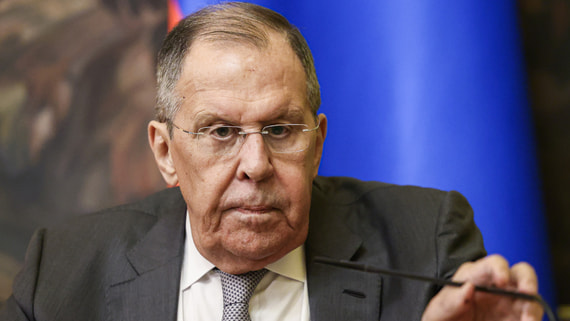
Russian Foreign Minister Sergei Lavrov has been at the center of several significant diplomatic developments, addressing crucial international issues ranging from United Nations Security Council reform to ongoing grain agreements and the escalating tensions surrounding potential strikes on Iran. In recent bilateral talks, Russia and Chad have reached important agreements on visa-free travel for diplomats, enhanced cooperation in counter-terrorism efforts, and preparations for the upcoming Russia-Africa summit, signaling Moscow’s continued push to strengthen its influence across the African continent.
The diplomatic engagement between Russia and Chad represents a strategic move by both nations to deepen their partnership at a time when African nations are increasingly seeking to diversify their international relationships beyond traditional Western allies. The visa-free arrangement for diplomatic passport holders will facilitate more frequent high-level exchanges, while the counter-terrorism cooperation agreement addresses Chad’s ongoing security challenges in the Sahel region, where militant groups continue to pose significant threats to regional stability.
UN Security Council Reform: A Persistent Global Debate
Lavrov’s comments on UN Security Council reform touch upon one of the most contentious and long-standing debates in international diplomacy. The current structure of the Security Council, established in 1945 following World War II, reflects a geopolitical reality that many argue no longer exists. The five permanent members—the United States, Russia, China, France, and the United Kingdom—hold veto power that critics say paralyzes the body’s ability to respond to modern crises effectively. Numerous proposals have been put forward over the decades to expand permanent membership to include rising powers such as India, Brazil, Germany, and Japan, as well as African representation, but consensus has remained elusive.
Russia’s position on Security Council reform has historically been cautious, as any structural changes could potentially dilute its own influence within the organization. However, Moscow has expressed openness to expanding representation for developing nations, particularly from Africa and Asia, viewing this as an opportunity to counter Western dominance in international institutions. The upcoming Russia-Africa summit provides a platform for these discussions, as African nations have long demanded at least one permanent seat with veto power to ensure their voices are adequately represented in global security decisions.
Grain Deals and Global Food Security
The ongoing discussions surrounding grain agreements remain critically important for global food security. The Black Sea region serves as a crucial breadbasket for the world, with Ukraine and Russia together accounting for approximately 30 percent of global wheat exports before the conflict began in 2022. The disruption to grain shipments has had devastating consequences for food-importing nations, particularly in Africa and the Middle East, where millions depend on affordable grain imports for basic sustenance. Previous agreements facilitated by Turkey and the United Nations had allowed for the safe passage of grain ships through the Black Sea, though these arrangements have faced repeated challenges and interruptions.
Lavrov has consistently linked Russia’s participation in grain export agreements to the removal of sanctions affecting Russian agricultural exports, including fertilizers, banking access, and shipping insurance. Moscow argues that while its food exports are technically exempt from Western sanctions, the secondary effects of financial restrictions make it practically difficult to conduct agricultural trade. This position has drawn criticism from Western nations and international organizations, who argue that humanitarian considerations should take precedence over sanctions disputes. The stakes of these negotiations cannot be overstated, as the World Food Programme has warned that disruptions to grain supplies could push millions more people into acute food insecurity.
Escalating Tensions Over Iran
The issue of potential military strikes against Iran represents perhaps the most volatile topic in Lavrov’s recent diplomatic agenda. Tensions in the Middle East have reached dangerous levels, with various parties contemplating or threatening military action against Iranian nuclear facilities and military infrastructure. Russia has historically maintained close ties with Tehran, including defense cooperation and economic partnerships that have intensified since the start of the Ukraine conflict. Moscow has repeatedly warned against military escalation in the region, arguing that strikes on Iran could trigger a catastrophic regional war with unpredictable global consequences.
Iran’s nuclear program has been a source of international concern for decades, with negotiations over the Joint Comprehensive Plan of Action experiencing numerous setbacks since the United States withdrew from the agreement in 2018. The potential for military confrontation has increased as Iran has expanded its uranium enrichment activities and regional proxy networks. Russia’s diplomatic stance emphasizes dialogue and negotiation over military options, though critics argue that Moscow’s support provides Tehran with diplomatic cover to continue activities that destabilize the region. The interconnected nature of these crises—from Ukraine to the Middle East to Africa—demonstrates the complex web of relationships that define contemporary international relations.
Expert Opinion: The convergence of these diplomatic issues reveals Russia’s strategic approach of leveraging multiple pressure points to advance its interests while positioning itself as an alternative partner for nations frustrated with Western policies. As traditional alliances face strain and new power configurations emerge, the outcomes of these negotiations will likely shape the international order for decades to come, with particular implications for global food security and nuclear non-proliferation frameworks.