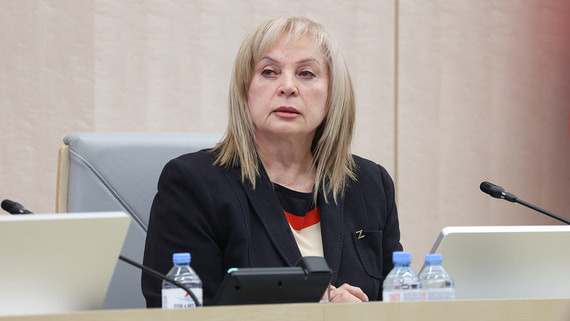
In a development that has sparked intense debate about democratic principles and national security, the head of Russia’s Central Election Commission (CEC) has proposed stripping individuals designated as “foreign agents” of their right to vote. This suggestion represents a significant escalation in the ongoing campaign against those labeled as working in foreign interests, potentially affecting thousands of Russians who have been placed on the foreign agents registry in recent years. The proposal raises fundamental questions about the nature of citizenship, political rights, and the boundaries between protecting national interests and suppressing dissent.
The foreign agents law in Russia has undergone significant expansion since its initial introduction in 2012, when it primarily targeted non-governmental organizations receiving foreign funding. Over the years, the legislation has been broadened to include media outlets, individual journalists, activists, and ordinary citizens. Today, anyone can be designated a foreign agent if authorities determine they are under foreign influence or receive any form of foreign support. The registry has grown to include hundreds of individuals and organizations, ranging from prominent opposition figures and independent journalists to human rights defenders and even some academics.
Historical Context of Political Disenfranchisement
The concept of stripping citizens of voting rights based on their political status or affiliations has deep historical roots, though it has largely been abandoned by modern democracies. In the Soviet era, so-called “enemies of the people” were routinely deprived of civil rights, including the right to vote, as part of broader campaigns of political repression. International human rights law, including the Universal Declaration of Human Rights and the International Covenant on Civil and Political Rights, establishes that voting rights should be universal among adult citizens, with restrictions permitted only in narrowly defined circumstances such as criminal conviction or mental incapacity. Legal experts note that political beliefs or associations with foreign entities have not traditionally been considered legitimate grounds for disenfranchisement in countries adhering to democratic norms.
The current proposal, if implemented, would mark a dramatic departure from Russia’s constitutional framework, which guarantees equal voting rights to all citizens. Article 32 of the Russian Constitution explicitly states that citizens have the right to elect and be elected to state bodies, with restrictions applying only to those recognized by a court as legally incapable or those serving prison sentences. Critics argue that adding foreign agent status as a criterion for disenfranchisement would require either a constitutional amendment or a reinterpretation of existing legal provisions that could set a dangerous precedent.
Political Implications and International Reaction
Political analysts view this proposal as part of a broader pattern of tightening control over the electoral process and public discourse in Russia, particularly as tensions with Western nations continue to escalate. The foreign agents designation already carries significant consequences, including mandatory labeling of all public communications, extensive financial reporting requirements, and social stigma. Adding voting restrictions would further marginalize those on the registry and could discourage dissent by raising the stakes of being designated. Some observers suggest the timing of this proposal may be connected to upcoming electoral cycles, as authorities seek to limit any potential opposition influence at the ballot box.
International human rights organizations have expressed concern about the proposal, viewing it as another step toward authoritarian consolidation. The Venice Commission, an advisory body of the Council of Europe on constitutional matters, has previously criticized Russia’s foreign agents legislation as incompatible with European human rights standards. If voting restrictions are implemented, Russia would join a small group of countries that disenfranchise citizens based on their perceived foreign associations, further isolating itself from international democratic norms.
Domestic Debate and Future Outlook
Within Russia, reactions to the proposal have been divided along predictable lines. Government supporters argue that those who allegedly serve foreign interests should not have a voice in determining the country’s leadership and policies. They frame the measure as a defensive action against foreign interference in domestic affairs. However, legal scholars and civil society advocates have raised serious constitutional objections, noting that the proposal conflates administrative designation with criminal conviction and eliminates due process protections. The foreign agents status is assigned by the Ministry of Justice without judicial review, meaning citizens could lose fundamental rights without ever being charged with or convicted of any crime.
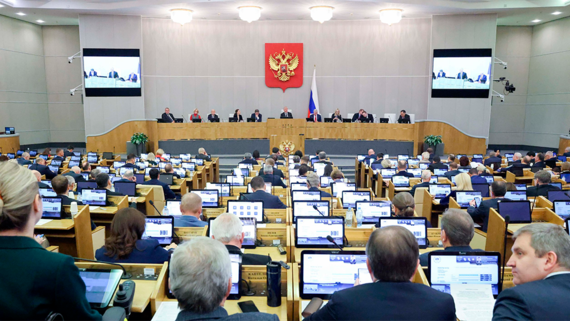
Looking ahead, the fate of this proposal remains uncertain. While the CEC chair’s statement signals intent, transforming the suggestion into law would require action by the State Duma and Federation Council, as well as potentially addressing constitutional challenges. However, given the current political climate and the legislature’s track record of passing restrictive legislation, many observers believe some version of voting restrictions for foreign agents could eventually become reality. The broader implications extend beyond those currently on the registry, as the mere possibility of losing voting rights could have a chilling effect on civil society, independent media, and any form of engagement with international organizations or funding sources.
Expert Opinion: This proposal represents a significant escalation in the use of the foreign agents framework as a tool for political control rather than genuine national security protection. If implemented, it would fundamentally alter the social contract between Russian citizens and their state, creating a formal second-class citizenship based on political loyalty rather than legal standing. The international community should anticipate that such measures, once established, tend to expand rather than contract, potentially affecting an ever-widening circle of citizens deemed insufficiently aligned with state interests.