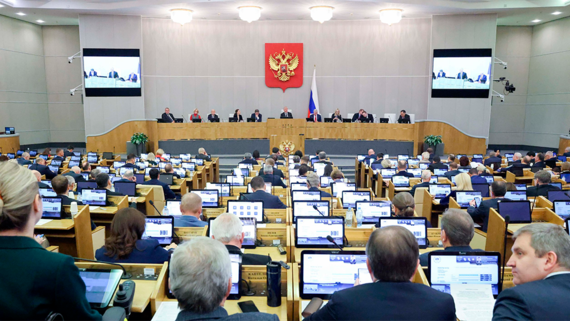
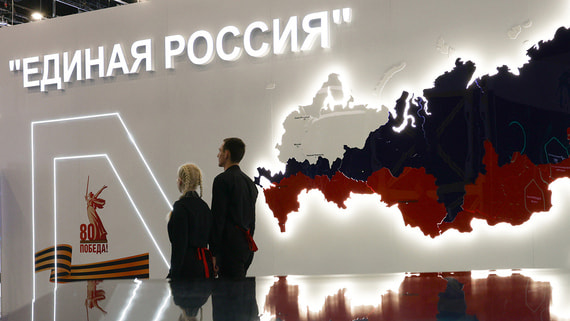
According to a recent analytical report from the Agency for Political and Economic Communications (APEC), the ruling United Russia party is positioned to achieve a dominant victory across all electoral districts in Moscow during the upcoming State Duma elections. The forecast suggests that the party could secure between 41 and 44 percent of the vote based on party lists in the Russian capital, a significant showing that would cement the party’s grip on legislative power in the nation’s most populous city.
The projection underscores the continued political dominance of the party, which has maintained its position as Russia’s leading political force since its founding in 2001. United Russia, closely aligned with President Vladimir Putin, has consistently performed strongly in both federal and regional elections, though its margins of victory and overall vote share have fluctuated over the years depending on economic conditions and public sentiment.
Historical Context of United Russia’s Electoral Performance
United Russia’s projected success in Moscow carries particular significance given the capital’s unique political landscape. Historically, Moscow has been considered a more politically diverse and demanding electorate compared to many Russian regions. The city’s highly educated population and greater access to independent media have sometimes resulted in stronger opposition performance in previous electoral cycles. In the 2011 State Duma elections, for instance, United Russia faced significant protests in Moscow following allegations of electoral fraud, with thousands taking to the streets in what became known as the Bolotnaya Square protests.
Since then, the party has worked to rebuild its image and strengthen its organizational capabilities in the capital. The integration of popular Moscow Mayor Sergei Sobyanin into the party’s leadership structure and the implementation of various urban development projects have helped improve the party’s standing among Moscow residents. The city’s infrastructure improvements, including metro expansions and park renovations, have been credited with boosting public approval ratings for United Russia-affiliated officials.
Factors Driving the Projected Victory
Several factors appear to be contributing to United Russia’s strong projected performance in the Moscow electoral districts. Political analysts point to the consolidation of administrative resources, effective candidate selection, and a fragmented opposition landscape as key elements favoring the ruling party. The opposition’s inability to unite behind single candidates in many districts has divided the anti-government vote, effectively reducing competitive pressure on United Russia nominees.
Additionally, the party has benefited from extensive media coverage and the ability to leverage government achievements in its campaign messaging. Economic stability concerns, particularly in the wake of international sanctions and global economic uncertainty, have led some voters to favor continuity over change. The party’s messaging has emphasized stability, national security, and continued development projects that resonate with voters seeking predictability in uncertain times.
Implications for Russian Democracy and Future Elections
The anticipated sweep of Moscow’s electoral districts by United Russia carries broader implications for the state of electoral competition in Russia. Critics argue that such dominant performances reflect structural advantages that make genuine multi-party competition difficult, including unequal access to media, administrative pressure, and restrictive registration requirements for opposition candidates. International observers and domestic critics have repeatedly called for reforms to level the playing field and ensure more competitive elections.
Supporters of the ruling party counter that the projected results reflect genuine public support for United Russia’s policies and governance record. They point to approval ratings and polling data as evidence that the party maintains legitimate popular backing. Regardless of perspective, the election results will shape the composition of the State Duma and influence Russian domestic and foreign policy for the coming legislative term, making these projections a matter of significant national and international interest.
Expert Opinion: The projected dominance of United Russia in Moscow signals a continued consolidation of political power that may further limit space for opposition voices in the State Duma. While the party’s organizational strength and resource advantages make such outcomes increasingly predictable, the longer-term question remains whether sustained single-party dominance will eventually generate public fatigue or whether opposition forces can develop more effective strategies for future electoral cycles.