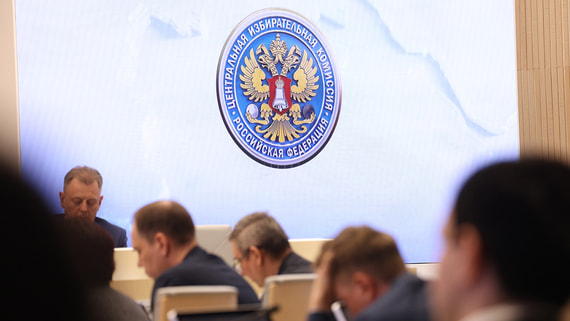

A new legislative initiative in Russia’s State Duma could fundamentally transform how candidates gather support for federal elections. Lawmakers have proposed allowing the collection of voter signatures through the Gosuslugi portal, the country’s centralized digital government services platform. Proponents argue this modernization would eliminate what critics have long called the “dictatorship of handwriting experts” — the controversial practice of invalidating signatures based on subjective graphological assessments — while also reducing honest clerical errors that have historically disqualified numerous candidates from electoral participation.
The proposal comes amid growing concerns about the fairness and transparency of the signature verification process in Russian elections. Under current regulations, candidates who are not nominated by established political parties must collect thousands of handwritten signatures from voters to appear on the ballot. These signatures are then subjected to rigorous scrutiny by election commissions, often with the assistance of handwriting experts who can reject signatures for minor discrepancies or perceived irregularities.
The Problem with Traditional Signature Collection
The existing system of manual signature collection has been a source of controversy for decades. Independent candidates and opposition figures have frequently complained that the verification process is used as a tool to exclude unwanted competitors from elections. Handwriting experts employed by election commissions have broad discretion to invalidate signatures based on subjective criteria, including assessments of whether a signature appears “authentic” or matches other samples. Critics argue this creates opportunities for politically motivated rejections.
Beyond intentional manipulation, the current system is also prone to genuine human error. Voters may accidentally provide incorrect passport information, make spelling mistakes in their addresses, or produce signatures that differ slightly from their official documents. Such innocent errors can result in signature rejection, potentially undermining legitimate expressions of political support. Election monitoring organizations have documented numerous cases where candidates were denied ballot access due to technical violations that had nothing to do with actual voter fraud.
Digital Solutions and Technical Implementation
The Gosuslugi portal, which has become the primary interface between Russian citizens and government services, already handles sensitive transactions including tax filings, pension applications, and medical appointments. The platform uses multi-factor authentication and is linked to verified passport data, making it theoretically well-suited for electoral purposes. Supporters of the proposal argue that digital signatures collected through this system would be virtually impossible to falsify and would eliminate the subjective element of handwriting analysis entirely.
Technical experts note that implementing such a system would require significant infrastructure development to ensure security and prevent manipulation. The platform would need to verify voter eligibility, prevent duplicate signatures, and maintain detailed audit trails. However, Russia has already experimented with electronic voting in several regional elections, suggesting the technological foundation exists for broader digital electoral participation. The country conducted online voting during the 2020 constitutional referendum and has expanded digital voting options in subsequent regional contests.
Political Implications and Expert Analysis
Political analysts are divided on the potential impact of this reform. Some observers suggest that digitizing the signature collection process could genuinely improve electoral access and reduce barriers for independent candidates. Others caution that the government’s control over the Gosuslugi platform raises concerns about data privacy and potential surveillance of political activities. The proposal also raises questions about digital literacy and access, particularly for older voters who may be less comfortable with online platforms.
International election monitoring standards generally support measures that increase transparency and reduce arbitrary disqualification of candidates. The Organization for Security and Cooperation in Europe has previously criticized the signature verification process in Russian elections as lacking clear, objective standards. A well-implemented digital system could potentially address some of these concerns while bringing Russian electoral procedures more in line with international norms. However, the success of such reforms ultimately depends on implementation details and the political will to apply rules fairly and consistently across all candidates regardless of their political orientation.
Expert Opinion: While the digitization of signature collection represents a potentially significant modernization of Russian electoral procedures, the effectiveness of this reform will depend entirely on implementation safeguards and independent oversight mechanisms. The shift from handwriting analysis to digital verification could reduce subjective barriers to ballot access, but concerns about government control over the verification infrastructure suggest that meaningful electoral reform requires broader systemic changes beyond technical solutions alone.