
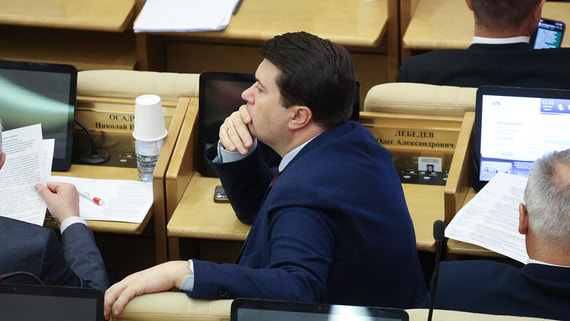
In a strategic political maneuver ahead of regional elections, the Communist Party of the Russian Federation (CPRF) has decided to replace its candidate for the gubernatorial race in Tver Oblast. State Duma deputy Lebedev, who was initially slated to run for the position, will be substituted by Svetlana Vorobyova, the First Secretary of the regional party committee. This unexpected switch highlights the complex political calculations that opposition parties in Russia must navigate during election cycles.
The decision to change candidates appears to be a precautionary measure by the party leadership, though specific reasons for the substitution have not been publicly disclosed. Such last-minute candidate replacements are not uncommon in Russian regional politics, where parties often reassess their electoral strategies based on evolving political circumstances, polling data, and internal party dynamics. The move suggests that CPRF leadership believes Vorobyova may present a stronger candidacy or face fewer potential obstacles in the campaign ahead.
Background on Tver Oblast Political Landscape
Tver Oblast, located between Moscow and St. Petersburg along the historic route connecting Russia’s two largest cities, has traditionally been a region where the ruling United Russia party maintains significant influence. The oblast has a population of approximately 1.2 million people and plays an important role in the country’s transportation and logistics infrastructure. Regional gubernatorial elections in Russia have become increasingly significant as the federal government seeks to maintain stability across the country’s 89 federal subjects.
The CPRF remains the second-largest political party in Russia and the primary opposition force in the State Duma. Despite facing numerous challenges in competing against the dominant United Russia party, the Communists consistently field candidates in gubernatorial races across the country. These elections serve both as genuine contests for regional power and as opportunities for the party to maintain its political visibility and organizational structure at the grassroots level.
Svetlana Vorobyova’s Political Profile
Svetlana Vorobyova’s appointment as the new candidate brings local party leadership directly into the electoral spotlight. As First Secretary of the Tver Oblast Communist Party committee, she possesses intimate knowledge of regional issues and has established connections with local party activists and supporters. This grassroots advantage could prove valuable in mobilizing voters and running an effective campaign. First secretaries of regional party committees typically have years of experience in local politics and understand the specific concerns and priorities of their constituencies.
The replacement of a State Duma deputy with a regional party official represents an interesting strategic choice. While federal lawmakers often bring national recognition and broader political connections, regional leaders can sometimes connect more effectively with local voters on everyday issues such as healthcare, infrastructure, and economic development. Vorobyova’s candidacy may signal the CPRF’s intention to run a campaign focused primarily on regional rather than federal issues.
Implications for Russian Regional Elections
This candidate substitution occurs within the broader context of Russia’s managed democracy system, where regional elections are carefully monitored and opposition parties must navigate complex political terrain. The phrase “just in case” in the original announcement suggests awareness of potential complications that could arise during the campaign or registration process. Russian electoral authorities have the power to disqualify candidates for various procedural or legal reasons, making contingency planning essential for opposition parties.
The upcoming Tver gubernatorial election will be watched closely as an indicator of opposition party strategies and voter sentiment in central Russia. While United Russia candidates typically win such contests with substantial margins, the campaigns themselves provide valuable opportunities for opposition parties to articulate alternative visions and maintain their political relevance. The CPRF’s decision to field Vorobyova demonstrates the party’s commitment to contesting regional power even when facing significant structural disadvantages in the electoral system.
Expert Opinion: The CPRF’s last-minute candidate switch in Tver Oblast reflects the increasingly cautious approach opposition parties must take in Russian regional elections. By replacing a federal deputy with a local party leader, the Communists may be hedging against potential disqualification risks while simultaneously pivoting to a more locally-focused campaign strategy. This tactical flexibility will likely become more common as parties adapt to the evolving political environment ahead of the 2024 election cycle.