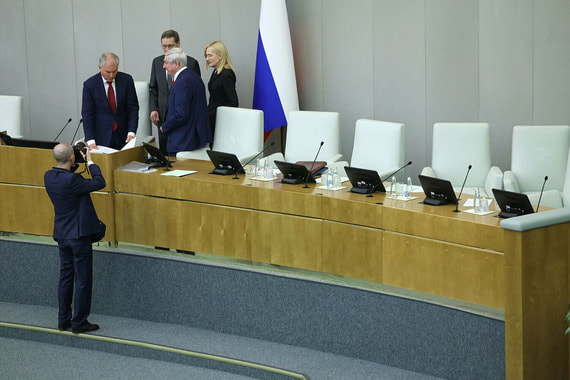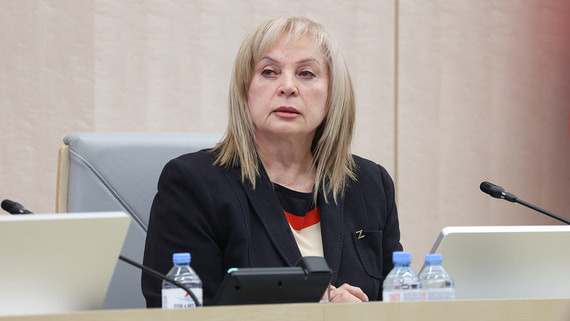
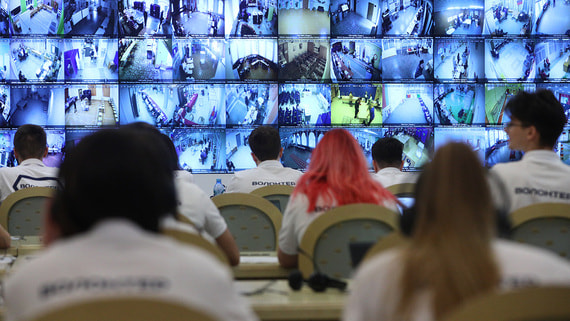
Russia has initiated a comprehensive federal training program designed to prepare public observers for their crucial role in monitoring electoral processes. The program aims to equip participants with essential skills, including managing emergency situations and addressing disruptive behavior by election participants. This initiative represents a significant step in the country’s efforts to enhance transparency and credibility in its electoral system, coming at a time when election integrity remains a topic of intense discussion both domestically and internationally.
The training courses cover a wide range of scenarios that observers might encounter during their duties at polling stations. Participants learn how to identify potential violations, properly document irregularities, and maintain composure when faced with aggressive or uncooperative individuals. The curriculum also includes legal frameworks governing elections, the rights and responsibilities of observers, and proper communication protocols with election commission members.
Historical Context of Election Monitoring in Russia
Election observation in Russia has evolved significantly since the country’s transition to democratic elections in the early 1990s. The institution of public observers was formally established to provide an additional layer of oversight beyond official election commissions. Over the decades, the role has grown in importance, with thousands of citizens volunteering to monitor voting processes during federal, regional, and local elections. The Central Election Commission has progressively expanded training requirements, recognizing that well-prepared observers contribute to smoother electoral procedures and greater public confidence in results.
The development of systematic training programs reflects lessons learned from previous electoral cycles. In earlier years, observers often arrived at polling stations with limited understanding of proper procedures, leading to confusion and occasional conflicts with election officials. By standardizing training at the federal level, authorities aim to create a uniform baseline of knowledge and competence among observers regardless of their geographic location or the organization that nominated them.
Addressing Challenges and Disruptive Behavior
One of the most innovative aspects of the new training program is its focus on handling non-standard situations and managing conflicts. Trainers present participants with realistic scenarios involving voters who may attempt to violate electoral procedures, individuals who become aggressive when questioned, or situations where technical malfunctions disrupt the voting process. Role-playing exercises help observers develop practical skills in de-escalation techniques and maintaining professional conduct under pressure. This psychological preparation is considered essential, as polling stations can become tense environments, particularly during high-stakes elections with significant public interest.
The curriculum also addresses the growing challenge of misinformation and attempts to deliberately disrupt electoral processes. Observers learn to distinguish between genuine procedural violations and manufactured controversies designed to undermine confidence in election results. They receive guidance on proper channels for reporting concerns and the importance of factual, documented evidence when raising objections. Legal experts contribute to the training by explaining the boundaries of observer authority and the consequences of overstepping established protocols.
Broader Implications for Electoral Integrity
The launch of these federal courses signals a broader commitment to professionalizing the election monitoring process in Russia. By investing in observer education, authorities acknowledge that credible elections require not only proper procedures but also qualified individuals to verify their implementation. The program is expected to train thousands of observers ahead of upcoming electoral events, creating a nationwide network of citizens equipped to serve as watchdogs at polling stations across the country’s eleven time zones.
International election monitoring organizations have long emphasized the importance of trained domestic observers as a complement to international missions. Well-prepared local observers possess advantages including language skills, cultural understanding, and the ability to maintain a continuous presence throughout extended voting periods. The Russian initiative aligns with global best practices that recommend comprehensive training programs covering legal frameworks, observation methodologies, and ethical standards for monitors.
Expert Opinion: The standardization of observer training at the federal level represents a maturation of Russia’s electoral infrastructure, though its ultimate impact will depend on implementation quality and the genuine independence granted to observers in practice. The emphasis on conflict management skills suggests authorities anticipate continued public scrutiny of electoral processes, making well-prepared observers essential for maintaining order and credibility during increasingly contested elections.