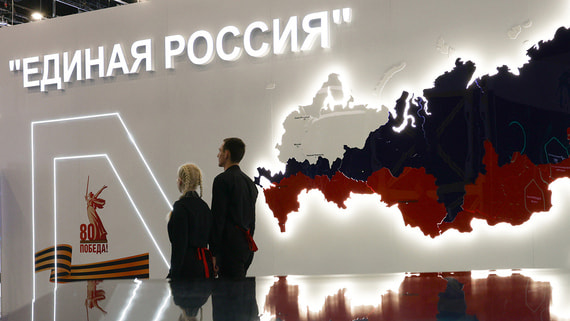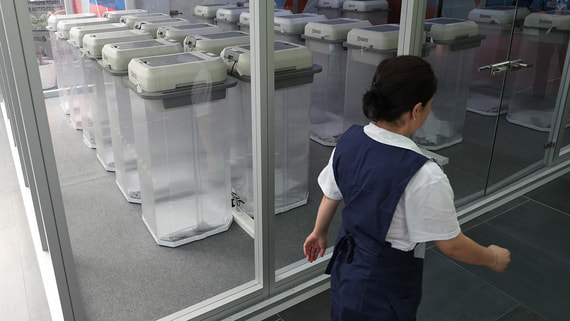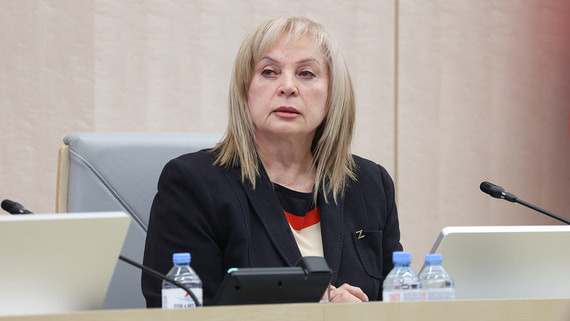
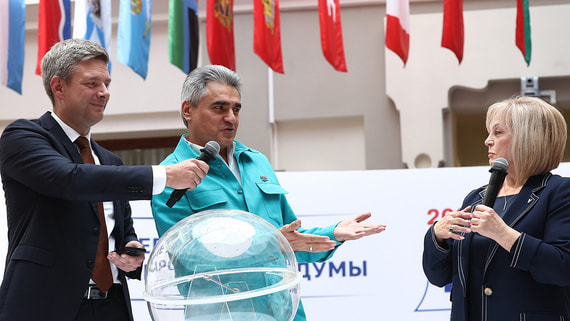
The Central Election Commission of Russia has officially determined the order in which political parties will appear on the ballot for the upcoming State Duma elections. United Russia, the ruling party led by figures closely aligned with President Vladimir Putin, has secured the first position on the ballot paper, while the relatively new political force ‘New People’ will appear last among the eleven registered parties. Each political organization has been quick to find symbolic meaning in their assigned placement, with campaign strategists on all sides attempting to spin the random draw results to their advantage.
The Ballot Order Draw and Its Political Significance
The process of determining ballot order in Russian elections follows a lottery system conducted by the Central Election Commission, designed to ensure fairness and prevent any single party from gaining an inherent advantage through positioning. Political scientists have long studied the potential impact of ballot positioning on voter behavior, with some research suggesting that parties appearing first or last on a ballot may receive marginally higher vote shares due to the so-called ‘primacy effect’ and ‘recency effect’ in human psychology. United Russia’s first-place position is seen by many analysts as psychologically advantageous, reinforcing its image as the leading political force in the country.
The symbolic interpretations offered by various parties reflect the deeply strategic nature of Russian electoral politics. Representatives from United Russia have emphasized that their top position reflects their status as the nation’s primary political force, while other parties have crafted alternative narratives around their placements. The Communist Party of the Russian Federation, the Liberal Democratic Party of Russia, and A Just Russia have all historically competed for second-tier positions in Russian politics, and their ballot placements carry weight in their respective campaign messaging strategies.
Historical Context of Russian Parliamentary Elections
The State Duma, Russia’s lower house of parliament, consists of 450 seats and plays a crucial role in the country’s legislative process. Half of these seats are filled through proportional representation based on party lists, while the other half are determined through single-member district races. This mixed electoral system has been in place since constitutional reforms were implemented, and it significantly influences how parties approach their campaigns. United Russia has dominated Duma elections since the early 2000s, consistently securing constitutional majorities that allow the ruling coalition to pass legislation without significant opposition.
The eleven parties that have qualified to appear on the ballot represent a spectrum of Russian political thought, though critics of the Russian political system argue that genuine opposition forces face substantial barriers to participation. The registration requirements, signature collection processes, and various administrative hurdles have historically prevented numerous potential challengers from reaching the ballot. International observers and human rights organizations have frequently raised concerns about the fairness of Russian electoral processes, though Russian officials maintain that their elections meet democratic standards.
New Political Forces and Electoral Dynamics
The inclusion of ‘New People’ party at the eleventh position represents an interesting development in Russian politics. Founded in 2020 by entrepreneur Alexei Nechayev, the party positions itself as a moderate, business-friendly alternative to established political forces. Its placement at the end of the ballot could actually work in its favor, as some voter behavior studies indicate that final positions can be memorable to voters scanning through lengthy ballot papers. The party has attracted attention for its attempts to appeal to younger, urban voters who may be seeking alternatives to traditional political options.
Campaign strategies in Russian elections often involve carefully calibrated messaging that acknowledges the dominance of United Russia while still motivating supporters to turn out. Opposition parties typically focus on regional issues, economic concerns, and quality-of-life matters rather than direct challenges to Kremlin policies. The upcoming election will test whether any parties can make significant gains against the ruling coalition, particularly given evolving economic conditions and social dynamics within Russian society. Voter turnout will be closely watched as an indicator of public engagement with the political process.
Looking Ahead to Election Day
As campaign season intensifies, all eleven parties will deploy their resources to maximize their electoral outcomes within the existing political framework. Television advertising, social media campaigns, and grassroots mobilization efforts will characterize the coming weeks. The ballot order, while seemingly a minor technical detail, has become another element in the complex chess game of Russian electoral politics. Each party’s ability to transform their assigned position into a compelling campaign narrative may prove as important as their policy platforms in determining final vote tallies when Russians head to the polls.
Expert Opinion: The symbolic weight parties attach to ballot positioning reveals the highly controlled nature of Russian electoral competition, where even random draws become opportunities for political messaging. While United Russia’s dominant position appears secure regardless of ballot order, the real story to watch is whether newer parties like ‘New People’ can establish themselves as lasting fixtures in Russian politics or fade after a single electoral cycle. The 2024 Duma elections will likely reinforce existing power structures while providing limited space for managed political pluralism.