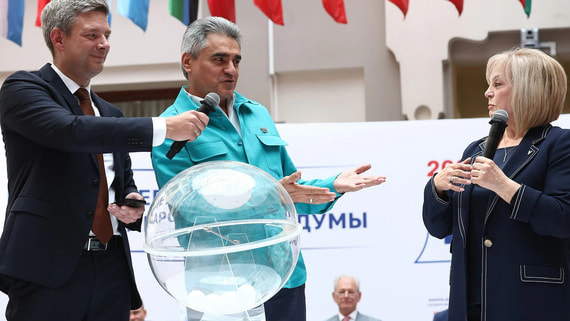
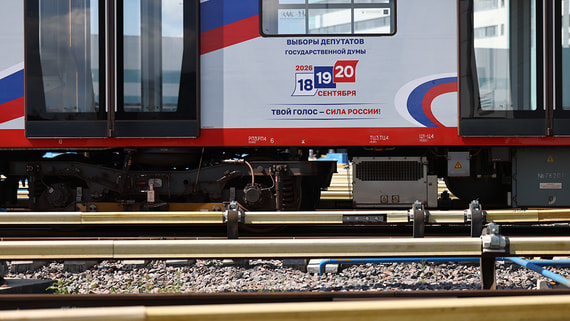
As Russia prepares for its upcoming parliamentary elections scheduled for September, new sociological data reveals that more than half of the country’s citizens have already made up their minds about their voting preferences. According to recent polling data released by major Russian survey organizations, approximately 56% of Russian voters have determined which party or candidate will receive their support in the State Duma elections. This figure provides an early glimpse into the electoral landscape as political parties begin ramping up their campaign activities across the nation’s vast territory.
The State Duma, Russia’s lower house of parliament, consists of 450 seats and plays a crucial role in the country’s legislative process. Elections to this body occur every five years, with the most recent elections having taken place in 2021. The upcoming electoral cycle represents a significant moment for Russian domestic politics, as it will shape the composition of the legislature during a period of considerable international tension and internal economic challenges. Historically, the ruling United Russia party has maintained a commanding majority in the Duma, typically securing well over half of all seats.
Voter Engagement and Electoral Patterns
The 56% figure indicating decided voters suggests a relatively high level of early electoral engagement among the Russian population. Political analysts note that this percentage typically increases as election day approaches and campaign activities intensify. However, the remaining 44% of undecided voters represents a significant portion of the electorate that could potentially swing the results in various directions, particularly for smaller parties seeking to clear the 5% threshold required for parliamentary representation.
Russian electoral behavior has historically shown certain consistent patterns. Urban centers like Moscow and St. Petersburg tend to display more diverse voting preferences, while rural areas and smaller cities often show stronger support for establishment parties. Voter turnout in Russian parliamentary elections has varied considerably over the years, with authorities and political organizations implementing various measures to encourage citizen participation in the democratic process.
Political Landscape and Party Competition
The current Russian political landscape features several registered parties competing for seats in the State Duma. Beyond the dominant United Russia party, other significant players include the Communist Party of the Russian Federation, the Liberal Democratic Party of Russia, A Just Russia, and New People. Each of these parties represents different ideological positions and voter constituencies, though all operate within the framework of the existing political system. The competition among these parties for the undecided voter segment will likely intensify as September approaches.
Electoral observers and political scientists emphasize that polling data in any country must be interpreted with appropriate caution, as survey methodologies, sample sizes, and timing can all influence results. Nevertheless, such data provides valuable insights into public sentiment and can help predict general trends in electoral outcomes. The Russian Central Election Commission oversees the electoral process, establishing rules and regulations that govern campaign activities, voting procedures, and result tabulation.
Looking Ahead to September
As the election campaign period formally begins, political parties are expected to increase their outreach efforts through traditional media, social networks, and grassroots organizing. The coming months will reveal whether the current distribution of voter preferences holds steady or shifts in response to domestic and international developments. Economic conditions, social policies, and geopolitical factors typically influence voter decision-making, making the pre-election period a dynamic time for Russian political discourse. The September elections will ultimately determine the composition of Russia’s parliament for the next five-year term, shaping the country’s legislative agenda well into the latter half of the decade.
Expert Opinion: The relatively high percentage of decided voters this far ahead of the elections suggests a crystallization of political preferences among the Russian electorate, likely reflecting the current polarized domestic and international environment. However, the true test will come in measuring actual voter turnout in September, as the gap between stated intentions and electoral participation often determines final outcomes in Russian parliamentary races.