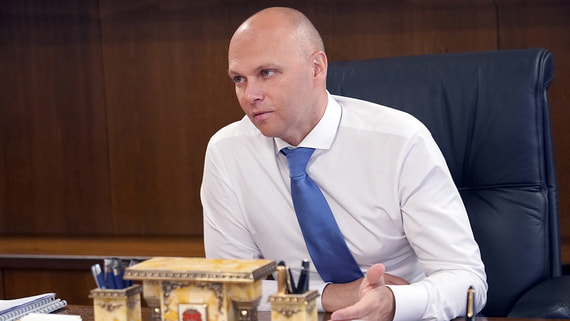
The Governor of Kaliningrad Oblast has delivered a robust defense of Russia’s westernmost territory, marking the region’s 80th anniversary with pointed remarks about security, economic development, and the strategic importance of this Baltic enclave. In a wide-ranging interview, the regional leader addressed growing tensions with neighboring NATO countries while highlighting significant investment achievements and the unique challenges of maintaining transit routes to mainland Russia through European Union territory.
The governor’s comments come at a particularly sensitive time, as relations between Russia and its Western neighbors have deteriorated significantly since 2022. Kaliningrad, sandwiched between Poland and Lithuania, has found itself at the center of geopolitical tensions, with periodic disputes over transit rights and concerns about military buildup on all sides. The regional leader emphasized that any aggression against the territory would be met with overwhelming response, suggesting that potential adversaries would need to be “insane” to consider such actions against what he termed Russia’s western fortress.
Historical Context and Strategic Significance
Kaliningrad Oblast occupies a unique position in both Russian history and contemporary geopolitics. The territory, formerly known as Königsberg and part of East Prussia, was transferred to the Soviet Union following World War II under the Potsdam Agreement of 1945. The German population was expelled and replaced with Soviet citizens, primarily from Russia, Belarus, and Ukraine. For decades during the Cold War, the region served as a heavily militarized zone, home to the Soviet Baltic Fleet and numerous military installations that remained largely closed to outsiders.
The collapse of the Soviet Union in 1991 transformed Kaliningrad’s situation dramatically. Suddenly, this piece of Russian territory found itself separated from the mainland by newly independent Lithuania and Belarus, creating a unique exclave that required special arrangements for transit and supply. The region’s strategic value has only increased in recent years, as it hosts advanced missile systems and serves as headquarters for Russia’s Baltic Fleet. Military analysts note that the territory’s position allows Russia to project power into the Baltic Sea region and potentially threaten NATO’s northeastern flank.
Economic Development and Investment Climate
Despite its challenging geographical position, Kaliningrad has pursued ambitious economic development goals. The governor highlighted significant investment achievements, noting that the region has attracted substantial capital into various sectors including manufacturing, agriculture, and tourism. Special economic zone status has provided tax incentives designed to offset the additional costs of doing business in an exclave cut off from direct land connection to Russia proper. The region has developed automotive assembly plants, food processing facilities, and amber processing industries that capitalize on local resources.
However, the economic picture has become considerably more complicated since Western sanctions were imposed on Russia. Transit restrictions through Lithuania have periodically disrupted supply chains, forcing regional authorities to rely more heavily on sea and air transport to maintain connections with mainland Russia. The governor acknowledged these challenges while insisting that the region has adapted successfully, developing alternative logistics routes and increasing self-sufficiency in key sectors. Ferry connections to St. Petersburg and other Russian ports have been expanded, though these remain more expensive and time-consuming than overland transit.
Security Concerns and Regional Tensions
The governor’s defiant rhetoric reflects broader Russian concerns about NATO expansion and military activity in the Baltic region. Poland and Lithuania, both NATO members, have significantly increased their defense spending and hosted alliance exercises near Russian borders. The United States has rotated troops through the region, and there has been discussion about permanent basing arrangements. From Moscow’s perspective, these developments represent encirclement and potential threats to Russian security interests.
Western analysts, however, point to Russian military buildup in Kaliningrad as a source of concern for neighboring states. The deployment of Iskander missile systems capable of carrying nuclear warheads, combined with advanced air defense systems and naval capabilities, has raised alarm in Baltic capitals. The region’s small size belies its outsized military significance, with some defense experts describing it as one of the most heavily armed territories in Europe relative to its area. As the 80th anniversary celebrations continue, Kaliningrad remains a focal point of the broader confrontation between Russia and the West, its future inextricably linked to the trajectory of this complex relationship.
Expert Opinion: The intensifying rhetoric around Kaliningrad reflects a broader pattern of strategic signaling between Russia and NATO, with the exclave serving as both a bargaining chip and potential flashpoint. Analysts suggest that while direct military conflict remains unlikely given the catastrophic consequences for all parties, the region will continue to experience economic pressure and diplomatic tensions. The coming years will likely see further militarization and reduced civilian transit options as both sides prepare for prolonged confrontation.