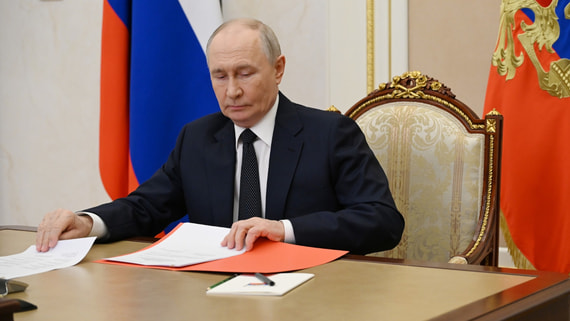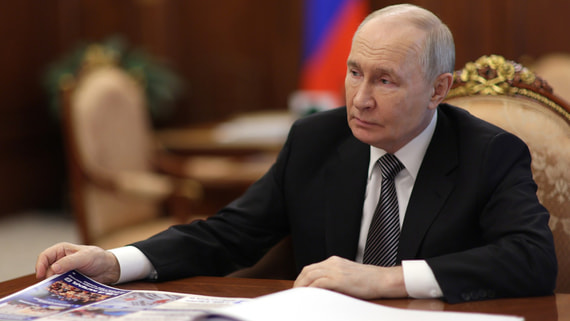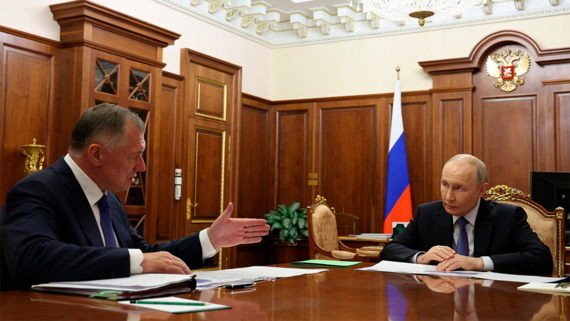
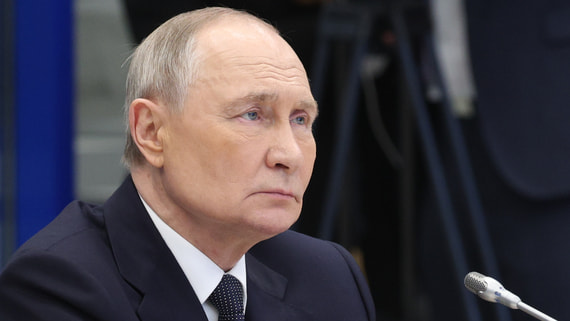
Russian President Vladimir Putin has arrived in the Siberian city of Omsk, where he is scheduled to participate in a major bilateral event alongside his Kazakhstani counterpart. The Forum of Interregional Cooperation between Russia and Kazakhstan represents one of the most significant platforms for economic and diplomatic dialogue between the two neighboring nations, bringing together regional leaders, business representatives, and government officials from both countries.
The choice of Omsk as the venue for this high-level meeting carries particular significance. Located in southwestern Siberia near the Kazakhstan border, Omsk serves as a natural bridge between the two nations and has historically maintained strong economic and cultural ties with northern Kazakhstan. The city, with a population of over one million people, is one of Russia’s largest industrial centers and plays a crucial role in cross-border trade and cooperation initiatives.
Historical Context of Russia-Kazakhstan Relations
The Forum of Interregional Cooperation between Russia and Kazakhstan has been held regularly since 2003, alternating between cities in both countries. This platform has proven instrumental in strengthening bilateral ties at the regional level, facilitating direct connections between Russian oblasts and Kazakhstani regions without requiring constant involvement from federal authorities. Over the years, the forum has helped generate billions of dollars in trade agreements and joint investment projects spanning energy, agriculture, manufacturing, and technology sectors.
Russia and Kazakhstan share the world’s longest continuous land border, stretching approximately 7,500 kilometers. This geographic reality has made close cooperation not just beneficial but essential for both nations. Kazakhstan remains one of Russia’s most important trading partners in the post-Soviet space, with bilateral trade turnover reaching significant volumes annually. The two countries are also key partners within the Eurasian Economic Union, the Collective Security Treaty Organization, and the Shanghai Cooperation Organisation.
Economic Significance and Regional Development
The interregional cooperation format allows Russian and Kazakhstani regions to develop direct economic partnerships, bypassing bureaucratic obstacles that might otherwise slow down cross-border commerce. Omsk Oblast, in particular, has extensive ties with several Kazakhstani regions, including North Kazakhstan, Pavlodar, and East Kazakhstan oblasts. These relationships encompass agricultural trade, industrial cooperation, educational exchanges, and joint infrastructure projects that benefit communities on both sides of the border.
Energy cooperation represents another crucial dimension of Russia-Kazakhstan relations. Kazakhstan possesses vast oil and natural gas reserves, while Russia controls major pipeline infrastructure connecting Central Asian resources to European and Asian markets. The two countries have worked to coordinate their energy policies and develop joint projects that maximize mutual benefits. Additionally, both nations collaborate on peaceful nuclear energy initiatives, with Russia’s Rosatom corporation involved in various projects within Kazakhstan.
Diplomatic Implications and Future Outlook
The personal participation of both presidents in the forum underscores the importance both Moscow and Astana attach to maintaining strong bilateral relations. Such high-level engagement typically signals the intention to announce new agreements or initiatives, and observers will be watching closely for any significant announcements regarding trade, investment, or strategic cooperation. The forum also provides an opportunity for the two leaders to discuss regional security concerns, economic challenges, and coordination within multilateral organizations where both countries hold membership.
As global geopolitical dynamics continue to evolve, the Russia-Kazakhstan partnership has taken on additional significance for both nations. Kazakhstan has pursued a balanced foreign policy, maintaining productive relationships with Russia, China, Western nations, and other partners. For Russia, Kazakhstan represents not only an important economic partner but also a key ally in Central Asia, a region of growing strategic importance. The ongoing cooperation forums serve as vital mechanisms for ensuring that this partnership continues to develop in ways that benefit both nations and their respective populations.
Expert Opinion: The continuation of regular high-level forums between Russia and Kazakhstan demonstrates the resilience of their bilateral relationship despite broader geopolitical pressures. Analysts anticipate that this meeting may yield new agreements focused on import substitution, logistics corridor development, and enhanced financial integration as both nations seek to adapt to changing global economic conditions. The interregional format remains particularly effective because it creates tangible benefits for local communities, thereby building grassroots support for continued cooperation.