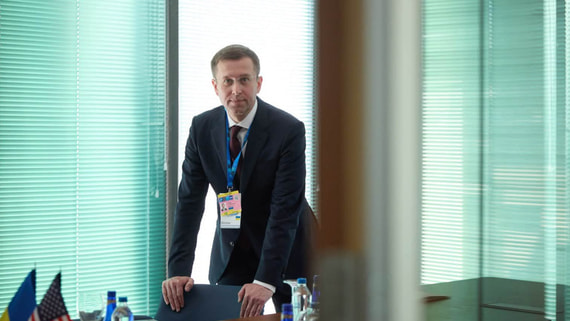
In a significant political development, Ukraine’s Verkhovna Rada has approved the appointment of a new Prime Minister, selecting Serhiy Koretskyi, the former CEO of Naftogaz, the country’s state-owned oil and gas company. The parliamentary vote marks a notable shift in the Ukrainian government’s leadership structure as the nation continues to navigate complex domestic and international challenges. Koretskyi’s appointment brings an energy sector executive to the helm of government administration, signaling potential priorities in economic and energy policy moving forward.
The selection of Koretskyi represents a strategic choice by Ukrainian leadership, drawing from the country’s critical energy sector at a time when energy security remains paramount. Naftogaz, which Koretskyi led before his appointment, is one of Ukraine’s largest state enterprises and plays a crucial role in the nation’s economy and energy infrastructure. The company has been central to Ukraine’s efforts to maintain energy independence and manage natural gas supplies, particularly given the geopolitical tensions in the region that have affected energy markets across Europe.
Background and Career of the New Prime Minister
Serhiy Koretskyi built his reputation as an effective manager during his tenure at Naftogaz, where he oversaw operations during some of the most challenging periods in the company’s history. Under his leadership, the state energy giant worked to modernize its operations, improve transparency, and strengthen Ukraine’s position in European energy markets. His experience managing one of the country’s most strategically important enterprises has been cited as a key qualification for his new role leading the entire government apparatus. Energy sector expertise has become increasingly valuable in Ukrainian politics, given the ongoing need to ensure stable supplies and manage complex international energy relationships.
The Prime Minister position in Ukraine carries significant responsibility for implementing domestic policy and managing the day-to-day operations of government. While the President serves as head of state and commander-in-chief with authority over foreign policy and national security, the Prime Minister oversees economic policy, government ministries, and administrative functions. This division of powers means Koretskyi will be instrumental in addressing Ukraine’s economic challenges, coordinating reconstruction efforts, and managing relations with international financial institutions that provide crucial support to the country.
Political Context and Parliamentary Support
The Verkhovna Rada’s approval of Koretskyi required a majority vote from the 450-seat parliament, demonstrating sufficient political support for the appointment. Ukrainian parliamentary politics have evolved significantly in recent years, with various factions working to balance wartime unity with democratic debate. The selection of a technocrat from the energy sector rather than a career politician suggests a focus on practical governance and economic management. Political analysts note that appointments of industry executives to government positions can bring valuable private-sector experience but also raise questions about the relationship between state enterprises and political power.
Ukraine’s government structure has undergone various changes since independence in 1991, with the balance between presidential and parliamentary power shifting through constitutional amendments and political developments. The Prime Minister role has been held by numerous figures with diverse backgrounds, from economists to regional politicians to business executives. Each appointment reflects the priorities of the moment and the political calculations of those involved in the selection process. Koretskyi’s appointment continues this tradition of drawing leadership from various sectors of Ukrainian society.
Challenges Ahead for the New Government
The new Prime Minister faces a daunting array of challenges upon taking office. Economic management remains critical, with Ukraine requiring substantial international financial support while working to maintain fiscal stability. Reconstruction planning for damaged infrastructure demands careful coordination and resource allocation. Additionally, the government must continue implementing reforms required by international partners and work toward European integration goals that remain central to Ukraine’s stated policy objectives. Managing these competing priorities while maintaining public services and supporting the population will test Koretskyi’s administrative capabilities.
International observers will closely watch how the new Prime Minister approaches relationships with key partners, including the European Union, United States, and international financial institutions like the IMF and World Bank. These relationships are crucial for Ukraine’s economic stability and long-term development prospects. Koretskyi’s experience in the energy sector, which involves extensive international negotiations and partnerships, may prove valuable in navigating these complex diplomatic and economic relationships. His tenure will likely be judged by his ability to maintain international support while delivering tangible improvements in governance and economic conditions for Ukrainian citizens.
Expert Opinion: The appointment of an energy sector executive as Prime Minister reflects Ukraine’s strategic prioritization of economic stability and energy security during this critical period. Koretskyi’s technocratic background may help depoliticize certain government functions and improve relations with international financial partners who value professional management. However, his success will ultimately depend on his ability to translate corporate leadership experience into effective political coalition-building and responsive governance under extraordinary circumstances.