
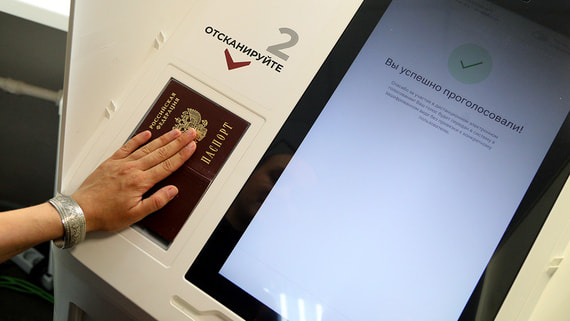
Russia’s Central Election Commission (CEC) has announced a significant expansion of electronic voting capabilities in the capital city, marking another step in the country’s ongoing efforts to modernize its electoral infrastructure. Under the new provisions, certain categories of voters will now be able to cast their ballots electronically at any polling station throughout Moscow, removing previous geographical restrictions that limited where citizens could participate in digital voting.
The decision reflects a broader trend in Russian electoral policy aimed at increasing voter accessibility and participation rates. Electronic voting, which has been gradually introduced across various regions of Russia over the past several years, represents a fundamental shift in how citizens engage with the democratic process. Moscow, as the nation’s largest city with a population exceeding 12 million residents, serves as a critical testing ground for these technological innovations before potential nationwide implementation.
Background and Evolution of Electronic Voting in Russia
Russia’s journey toward electronic voting began in earnest during the 2019 Moscow City Duma elections, when the capital first experimented with blockchain-based remote electronic voting systems. Since then, the technology has been refined and expanded, with each subsequent election cycle bringing new improvements and broader adoption. The system allows voters to cast their ballots through a secure online platform, with their votes being encrypted and stored on a distributed ledger to ensure transparency and prevent tampering.
The expansion of eligible voter categories represents a response to feedback from both election officials and citizens who have participated in previous electronic voting pilots. Observers note that younger voters, in particular, have shown strong preferences for digital voting options, viewing them as more convenient and aligned with their technology-integrated lifestyles. The CEC has emphasized that all electronic voting systems undergo rigorous security testing and certification before deployment.
Technical Infrastructure and Security Measures
Implementing electronic voting at scale requires substantial technical infrastructure and robust security protocols. Moscow’s system utilizes multiple layers of encryption, voter authentication procedures, and real-time monitoring to detect and prevent potential interference. Election officials have invested heavily in training poll workers to assist voters who may be unfamiliar with the electronic systems while maintaining the integrity of the voting process.
The ability for certain voter categories to use electronic voting at any polling station addresses a practical challenge that has long complicated election administration. Mobile populations, including workers, students, and those with multiple residences, often faced difficulties participating in elections tied to their registered addresses. By decoupling electronic voting from specific locations, the CEC aims to reduce barriers to participation and potentially increase overall turnout figures.
Implications for Future Elections
Political analysts suggest that the expansion of electronic voting options could have significant implications for future electoral outcomes and participation patterns. Higher accessibility typically correlates with increased voter turnout, though the relationship between voting methods and political engagement remains complex. Critics have raised concerns about the security and verifiability of electronic systems compared to traditional paper ballots, while supporters argue that modern encryption technologies provide adequate protection against fraud.
The Moscow pilot program will likely inform decisions about electronic voting implementation in other Russian regions and potentially influence international discussions about digital democracy. As countries worldwide grapple with questions of electoral modernization, Russia’s experience with large-scale electronic voting provides valuable data points for comparative analysis. The CEC has indicated that detailed reports on system performance, voter satisfaction, and security incidents will be compiled following each election to guide future policy decisions.
Expert Opinion: The expansion of electronic voting capabilities in Moscow signals Russia’s continued commitment to digital electoral infrastructure, despite ongoing international debates about the security of such systems. As urban populations increasingly expect digital service delivery in all aspects of civic life, electronic voting may become not just an option but an expectation. The key challenge moving forward will be maintaining public trust through transparent security audits and ensuring that technological advancement does not come at the expense of electoral integrity.