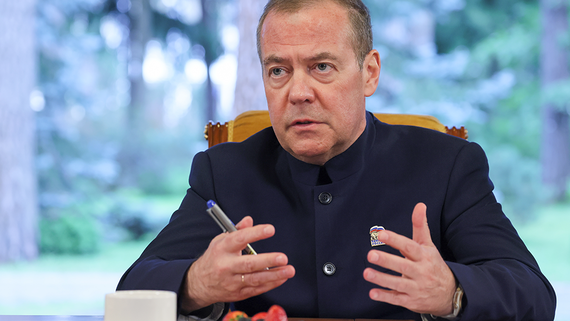
Dmitry Medvedev, Deputy Chairman of Russia’s Security Council and former President, has outlined the conditions under which Russia would consider concluding or suspending its military operation in Ukraine. In recent statements, Medvedev emphasized that the confrontation with Western nations would persist even after the Ukrainian conflict reaches its conclusion, signaling Moscow’s long-term strategic positioning in the evolving geopolitical landscape.
The senior Russian official’s remarks come at a critical juncture in the ongoing conflict, which began in February 2022 and has since become the largest military confrontation in Europe since World War II. Medvedev, known for his increasingly hawkish rhetoric since the start of the military campaign, has consistently maintained that Russia’s security concerns must be addressed comprehensively before any cessation of hostilities can be considered.
Russia’s Stated Conditions for Peace
According to Medvedev’s statements, any potential end to the military operation would require substantial concessions and guarantees that address what Moscow describes as fundamental security concerns. These conditions reportedly include Ukraine’s neutral status, recognition of territorial changes, and assurances regarding NATO’s expansion in Eastern Europe. Russian officials have repeatedly emphasized that these demands are non-negotiable and form the foundation of any potential peace framework.
The Kremlin’s position has remained largely consistent since the early stages of the conflict, though the specific details of acceptable terms have evolved alongside battlefield developments. Military analysts note that Russia’s negotiating stance typically reflects the current state of operations on the ground, with periods of military success often accompanied by more ambitious demands from Moscow.
Continued Tensions with the West
Perhaps most significantly, Medvedev’s assertion that confrontation with Western powers will continue beyond the Ukrainian conflict reveals Russia’s broader strategic outlook. This perspective suggests that Moscow views the current situation not merely as a regional dispute but as part of a larger geopolitical realignment. Western sanctions, military aid to Ukraine, and diplomatic isolation have fundamentally altered Russia’s relationship with Europe and North America, creating what many experts describe as a new era of sustained tension.
Historical context is essential for understanding this dynamic. Relations between Russia and the West have undergone dramatic shifts since the end of the Cold War, moving from cautious cooperation in the 1990s to increasing friction over NATO expansion, the 2008 Georgia conflict, and the 2014 annexation of Crimea. The current conflict represents the most severe rupture in these relationships since the Soviet era, with both sides appearing to prepare for an extended period of adversarial relations.
International Implications and Future Outlook
The implications of Medvedev’s statements extend far beyond the immediate conflict zone. European nations have accelerated defense spending and military cooperation, while global energy markets continue to experience disruption. The conflict has also reshaped international alliances, with countries around the world reconsidering their strategic partnerships and security arrangements. China’s position, in particular, remains a crucial variable in the evolving geopolitical equation.
As the conflict enters its third year, the path toward resolution remains unclear. Diplomatic initiatives have repeatedly stalled, and both parties continue to pursue military objectives while maintaining rhetorical commitments to eventual negotiations. Medvedev’s recent comments suggest that Russian leadership is preparing its domestic audience for a prolonged period of international tension, regardless of how the situation in Ukraine ultimately resolves. The coming months will likely prove crucial in determining whether diplomatic channels can produce meaningful progress or whether the current stalemate will persist indefinitely.
Expert Opinion: Medvedev’s statements indicate that Russia is strategically positioning the Ukraine conflict as merely one front in a broader, long-term confrontation with Western institutions. This framing serves both domestic political purposes and signals to international partners that Moscow’s foreign policy orientation has fundamentally shifted. Observers should expect continued Russian efforts to build alternative economic and security partnerships while maintaining pressure on European unity.