
Russia’s Central Election Commission (CEC) Chairwoman Ella Pamfilova has outlined an ambitious vision for transforming the country’s electoral system, proposing a unified electronic voter registry, satellite-based voting capabilities, and a range of technological innovations designed to modernize how Russians cast their ballots. These proposals represent a significant shift toward digitalization of the electoral process, raising both optimism about accessibility and concerns about security and transparency among political observers.
The announcement comes at a time when Russia has already been expanding its use of electronic voting systems, particularly in major urban centers like Moscow. The country has been gradually implementing remote electronic voting (DEG) in various regions, with millions of Russians participating in digital elections during recent voting cycles. Pamfilova’s latest proposals suggest that the Kremlin intends to accelerate this digital transformation significantly in the coming years.
The Unified Electronic Voter Registry
At the core of Pamfilova’s vision is the creation of a comprehensive unified electronic registry of all eligible voters across Russia’s vast territory, spanning eleven time zones and encompassing over 110 million registered voters. Currently, voter registration in Russia operates through a decentralized system managed by various regional authorities, which has occasionally led to discrepancies and administrative challenges. The proposed unified system would centralize all voter data, theoretically making it easier to prevent duplicate registrations and streamline the voting process.
The concept of electronic voter registries is not unique to Russia. Many democracies worldwide have implemented similar systems, including Estonia, which has pioneered electronic governance and online voting since 2005. However, the scale of Russia’s proposed system would be unprecedented, requiring massive infrastructure investments and raising significant questions about data security and privacy protection in a country where digital surveillance capabilities have grown substantially in recent years.
Satellite Voting Technology
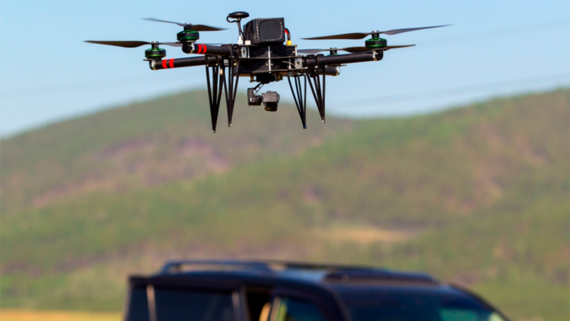
Perhaps the most ambitious element of Pamfilova’s proposals involves the use of satellite communication technology to enable voting in remote and hard-to-reach areas of Russia. This would be particularly relevant for voters in Siberia, the Russian Far East, Arctic regions, and other sparsely populated territories where traditional polling infrastructure is difficult to maintain. The proposal also envisions serving Russian citizens abroad, military personnel stationed in remote locations, and workers in isolated industrial facilities.
The technical challenges of implementing satellite-based voting are considerable. Security experts have long warned about the vulnerabilities inherent in any form of remote electronic voting, including potential interception of communications, authentication challenges, and the difficulty of ensuring ballot secrecy. International electoral integrity organizations have repeatedly cautioned that electronic voting systems, while convenient, can introduce new vectors for manipulation that may be difficult to detect or audit.
Historical Context and International Perspective
Russia’s push toward electoral digitalization occurs against a backdrop of persistent international criticism regarding the integrity of its elections. Western governments and independent monitoring organizations have repeatedly raised concerns about electoral irregularities, restrictions on opposition candidates, and limited political competition. The Organization for Security and Co-operation in Europe (OSCE) has declined to send full observation missions to recent Russian elections, citing restrictions on their activities.
Proponents of digital voting argue that technology can actually enhance transparency through better audit trails and real-time monitoring. However, critics contend that electronic systems can be more easily manipulated than paper ballots, particularly when independent verification is limited. The experience of other countries with electronic voting has been mixed, with some nations like the Netherlands and Germany stepping back from electronic systems due to security concerns, while others continue to expand their use.
Looking Ahead
The timeline for implementing these technological changes remains unclear, and significant legislative and technical hurdles must be overcome before Pamfilova’s vision becomes reality. Russian authorities will need to address concerns about cybersecurity, ensure adequate infrastructure across the country’s diverse regions, and build public trust in new voting technologies. As Russia prepares for future electoral cycles, the debate over balancing technological innovation with electoral integrity will likely intensify both domestically and internationally.
Expert Opinion: The proposed digitalization of Russia’s electoral system represents a double-edged sword. While satellite voting and unified registries could genuinely improve accessibility for remote populations, the absence of robust independent oversight mechanisms remains the critical weakness. International experience suggests that without transparent auditing and meaningful opposition participation, technological modernization alone cannot address fundamental questions about electoral legitimacy.