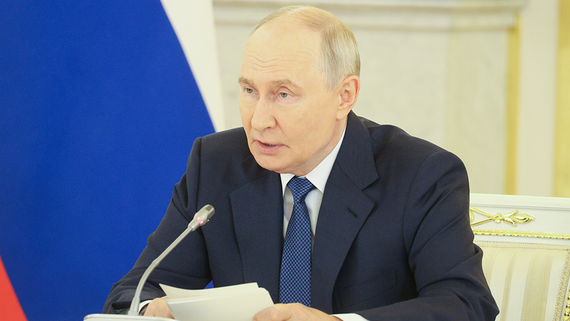
Russian President Vladimir Putin convened a meeting of the Council for Strategic Development and National Projects, delivering remarks that placed particular emphasis on the current state of regional finances across the Russian Federation. The session, which brought together key government officials and regional leaders, addressed the implementation of national priority programs and the financial mechanisms supporting them at the local level. Putin’s comments reflected growing concerns about the fiscal health of Russia’s diverse regions as they navigate complex economic conditions while attempting to meet ambitious development targets set by the federal government.
The meeting comes at a critical juncture for Russia’s economic planning, as the country continues to manage the effects of international sanctions, fluctuating commodity prices, and the ongoing need to maintain social spending commitments. National projects, first announced in 2018 and subsequently revised, cover twelve priority areas including healthcare, education, housing, infrastructure, and digital economy development. These initiatives represent trillions of rubles in planned investment and require substantial coordination between federal and regional budgets to achieve their stated objectives.
Regional Financial Pressures Under Scrutiny
Putin’s focus on regional finances underscores a persistent challenge in Russian governance: the significant disparities between wealthy resource-producing regions and those dependent on federal transfers. While oil and gas-rich areas like Tyumen Oblast and the Sakhalin region enjoy substantial revenues, many regions in central Russia and the Far East struggle with budget deficits and accumulated debt. The President’s remarks acknowledged that successful implementation of national projects depends heavily on the fiscal capacity of regional governments to co-finance federal initiatives and maintain existing public services simultaneously.
The Russian regional debt situation has been a point of concern for economists and policymakers alike. According to recent data from the Ministry of Finance, combined regional debt exceeds three trillion rubles, with some subjects of the federation carrying debt loads that approach or exceed their annual revenues. This financial stress has been exacerbated by increased social spending demands, infrastructure maintenance costs, and the need to support local economies during periods of economic uncertainty. Putin has repeatedly called for measures to reduce regional debt burdens while maintaining investment in development priorities.
National Projects and Development Strategy
The national projects framework represents the cornerstone of Russia’s domestic development strategy, with goals extending through 2030. These initiatives aim to improve quality of life indicators, modernize infrastructure, boost economic productivity, and address demographic challenges. Healthcare projects focus on reducing mortality rates and improving access to medical services, while education initiatives target modernization of school facilities and enhancement of vocational training programs. Housing and urban environment projects seek to increase construction rates and improve living conditions in cities across the country.
Implementation of these ambitious programs requires not only financial resources but also effective administrative capacity at all levels of government. Putin has previously expressed frustration with bureaucratic obstacles and delays in project execution, emphasizing the need for accountability and results-oriented management. The Council meetings serve as a mechanism for tracking progress, identifying problems, and adjusting approaches as needed. Regional governors face significant pressure to demonstrate measurable achievements in their territories while managing limited budgets and competing priorities.
Economic Context and Future Outlook
The discussion of regional finances takes place against a backdrop of broader economic adaptation in Russia. Government revenues have been affected by shifts in energy export patterns, while expenditure demands remain elevated. The Finance Ministry has implemented various measures to support regional budgets, including restructuring existing debts and providing additional transfers. However, achieving a sustainable balance between federal priorities and regional fiscal health remains an ongoing challenge that will likely continue to feature prominently in policy discussions.
Looking ahead, the success of national projects will depend on continued attention to the financial foundations that support them. Analysts note that Russia’s federal system creates inherent tensions between centralized planning and regional implementation capacity. Putin’s emphasis on this issue signals recognition that ambitious national goals cannot be achieved without addressing the structural fiscal challenges facing many regions. The outcomes of these policy discussions will have significant implications for millions of Russian citizens who depend on public services and infrastructure improvements promised under the national projects framework.
Expert Opinion: The persistent focus on regional financial health indicates that Moscow recognizes a fundamental vulnerability in its development strategy: without fiscally stable regions, national project implementation will continue to face significant obstacles. The coming years will likely see increased federal intervention in regional budget management, potentially including more conditional transfers and stricter oversight mechanisms, as the Kremlin seeks to ensure that ambitious development targets translate into tangible improvements for citizens across Russia’s vast territory.